About the Author:
Jeff Nunn is the founder of Project Biohacking. With over 30 years of biohacking practice, he applies decades of self-experimentation methodology to peptide research, dosing math, and vendor evaluation.

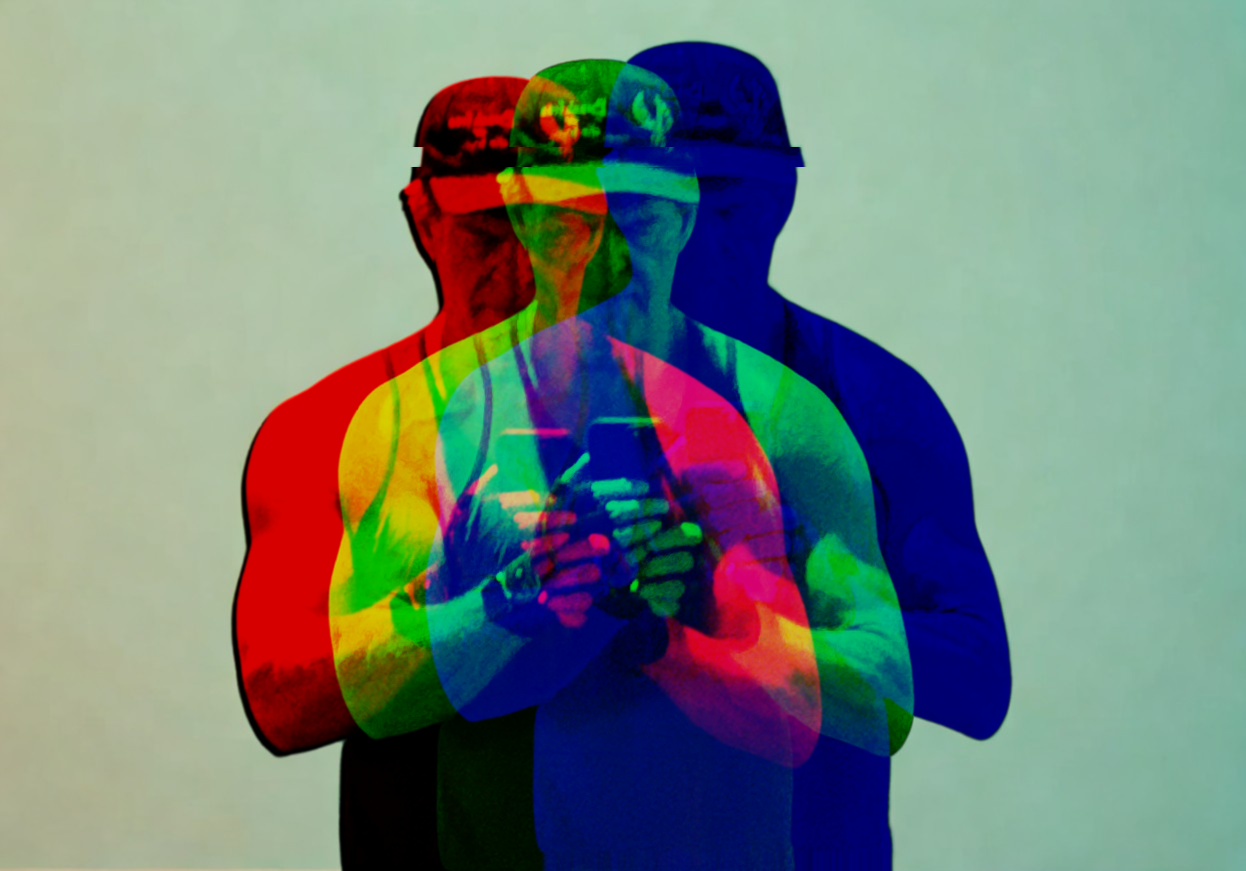
I watched my father and younger brother die of heart attacks within four days of each other. I was 26 years old.
That kind of trauma doesn't just wake you up—it rips the foundation out from under you and forces you to ask questions that doctors couldn't answer. Questions like: Why did this happen to us? And more urgently: Am I next?
What followed was a multi-decade journey through chronic pain, surgeries, misdiagnoses, and pharmaceutical band-aids. Years of plantar fasciitis, nerve entrapments requiring surgery, neck injuries leading to spinal fusion, drug-induced gut damage, and a cascade of complications that left me feeling decades older than I was.
If you had seen me, you would have thought I was much older than I was. And honestly, so did I. Then came the pivot point.
While trying to help my teenage son heal from Osgood-Schlatter, I stumbled upon research that mentioned peptides. What started as a curious Google search became a full-blown obsession with scientific papers, protocols, and experimental data. I vetted suppliers. I spoke to practitioners. I started stacking compounds. I became my own lab.
This wasn't about optimizing six-pack abs. This was about walking without pain. About holding my kids without spasms. About waking up with enough energy to participate in my life.
Biohacking, at its core, is the science of N=1. It's not one-size-fits-all. It's not guru worship or trend chasing. It's structured self-experimentation using trackable inputs to get measurable outcomes.
My first major breakthrough? BPC-157 and TB-500. After almost a decade of tendonitis and failed physical therapy, these two peptides helped eliminate the pain in under six weeks. For what the research does and does not support, see what the BPC-157 safety evidence shows and how TB-500 works in tissue repair.
The protocol I used:
I cycled it for six weeks, then paused for two. No side effects. Just relief I hadn't felt in years.
Since then, I've used peptides and precision supplementation to:
Project Biohacking isn't about hype. It's not medical advice. It's not a shortcut. It's a living experiment focused on rebuilding and rejuvenating using tested, personalized, and experience-based strategies.
Here's what you can expect:
And always—a bias toward action and results.
Start with the free Project Biohacking Newsletter to get updates, tools, and exclusive insights.
Ready to go deeper? My Premium Newsletter includes full protocols, sourcing notes, and case studies I don't share anywhere else.
If you're reading this, you're probably not looking for motivation. You're looking for something that works. I'm here to help you find it.
Let's rebuild.
-- Jeff
For more about my professional background, credentials, and how I approach peptide research, see my
author page.
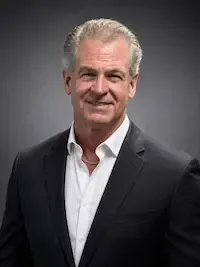
About the Author:
Jeff Nunn is the founder of Project Biohacking. With over 30 years of biohacking practice, he applies decades of self-experimentation methodology to peptide research, dosing math, and vendor evaluation.
Important Disclaimer: The content on Project Biohacking is for educational and informational purposes only and is not intended as medical advice, diagnosis, or treatment. Always consult a qualified healthcare professional before making any changes to your health regimen, starting new supplements, peptides, or protocols. Nothing on this site establishes a doctor–patient relationship, and you use the information at your own risk. Research compounds discussed here are sold for laboratory research purposes only and are not approved for human or veterinary use or consumption.
“For educational use only. Not medical advice. Read our full disclaimer.”
+1 214-278-4039
All Rights Reserved | Project Biohacking