Inside Project Biohacking Blog

Welcome to your trusted source for biohacking and peptide insights. Our blog delivers science-backed strategies and real-world protocols to help you take control of your biology. Whether you're optimizing energy, recovery, or longevity, this blog provides actionable knowledge backed by research and real-world experience.

Who This Blog Serves


This blog is for biohackers, athletes, wellness enthusiasts, and anyone seeking preventive healthcare through peptide protocols. Whether you're a healthcare professional exploring regenerative medicine options, a practitioner guiding clients through healing and injury recovery, or an individual optimizing energy, sleep, mental health, muscle growth, and immune system resilience, you'll find evidence-based insights here.


Our content covers peptide therapy alongside nutrition, lifestyle optimization, and inflammation control to support holistic wellness and longevity. Always consult qualified healthcare providers when beginning any peptide protocol.

Gain insights grounded in the latest research, clinical studies, and real-world biohacker experiences. Learn to make informed decisions about peptide protocols tailored to your unique biology and health goals.


Our mission is to make peptide therapy practical for everyday life, whether you're managing work stress, improving daily energy levels, supporting your fitness routine, or addressing the natural changes that come with aging. We provide actionable guidance you can apply to your everyday health decisions.


We're committed to peptide education through accessible, science-backed content. Whether you're new to biohacking or continuing your education in regenerative medicine, our blog serves as your ongoing learning resource, breaking down complex peptide science into practical knowledge you can trust and apply.


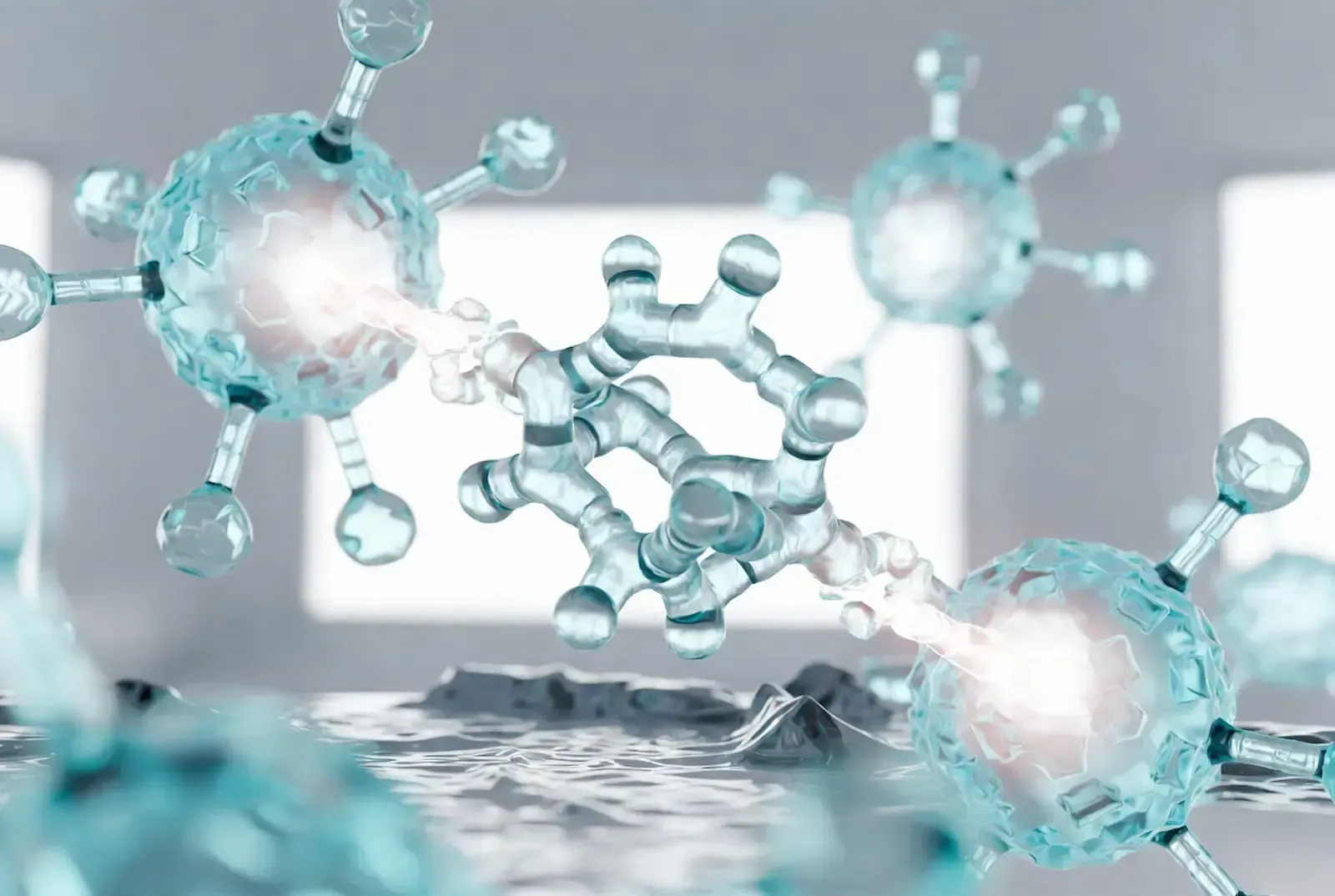
Abstract blue molecular structures floating over a reflective surface, with glowing pink centers
By Jeff Nunn July 3, 2026
Retatrutide is an investigational triple-agonist peptide with record weight-loss data. See what the research shows, its side effects, dosing, and why it is not FDA approved.
Metal GLP-pen beneath a floating blue-and-white DNA helix on a blurred lab background
By Jeff Nunn June 30, 2026
Yes, peptide overdose is possible. See which peptides carry the most risk, how dosing errors happen, the symptoms to watch for, and when to seek care.
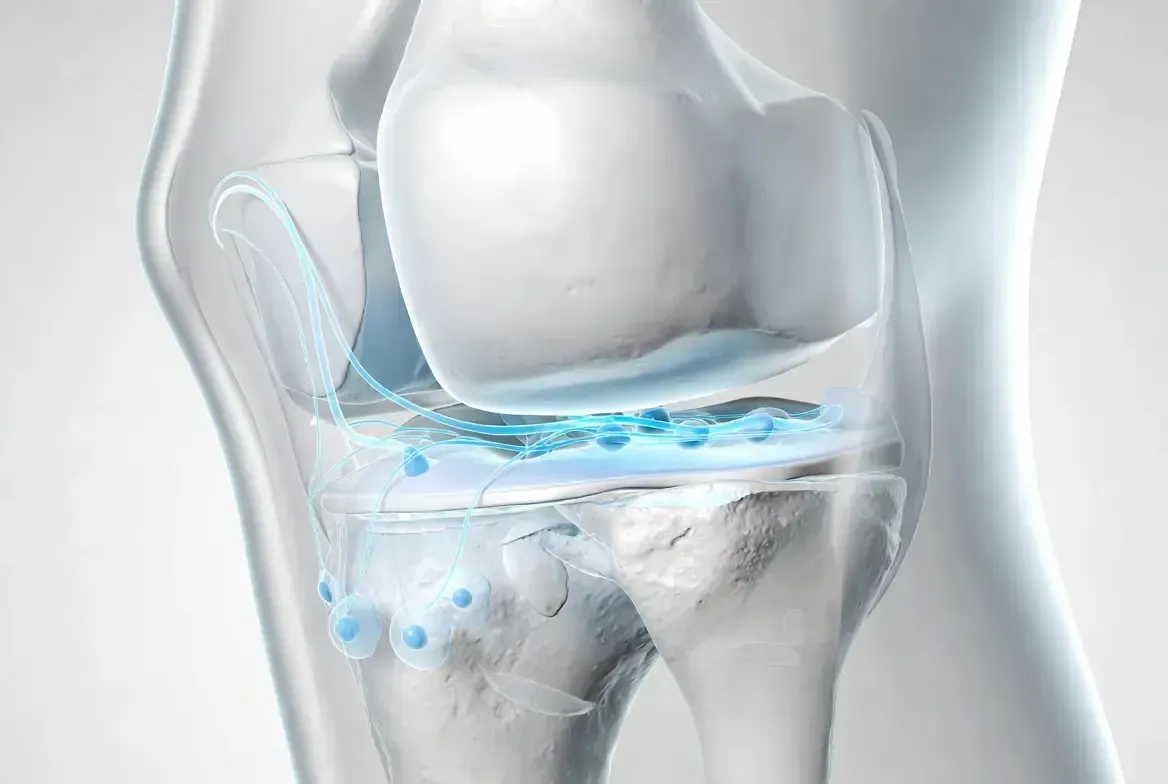
Knee joint diagram showing fluid buildup and inflammation around the joint
By Jeff Nunn June 22, 2026
What Cartalax peptide is, how the Khavinson cartilage bioregulator is proposed to work, what the research shows, dosing formats, safety, and how it compares.

Man sitting in a gym, resting with knees drawn up and looking down, with a muscle anatomy overlay on his upper body
By Jeff Nunn June 7, 2026
How growth hormone peptides, IGF-1, CJC-1295, Ipamorelin, and Tesamorelin affect muscle, fat loss, and recovery, plus the safety and legal facts to know first.

Side view of a shirtless torso with blue and orange colored markings on the abdomen
By Jeff Nunn June 4, 2026
How a GHRH analog targets deep belly fat, what it does for muscle and metabolic health, and what the research actually supports before you use it.
Man in a gym wearing a dark tank top, holding a dumbbell with molecular graphics in the background
By Jeff Nunn June 1, 2026
What peptides do for men's muscle, recovery, sleep, fat loss, and sexual health, plus side effects and where the research really stands.
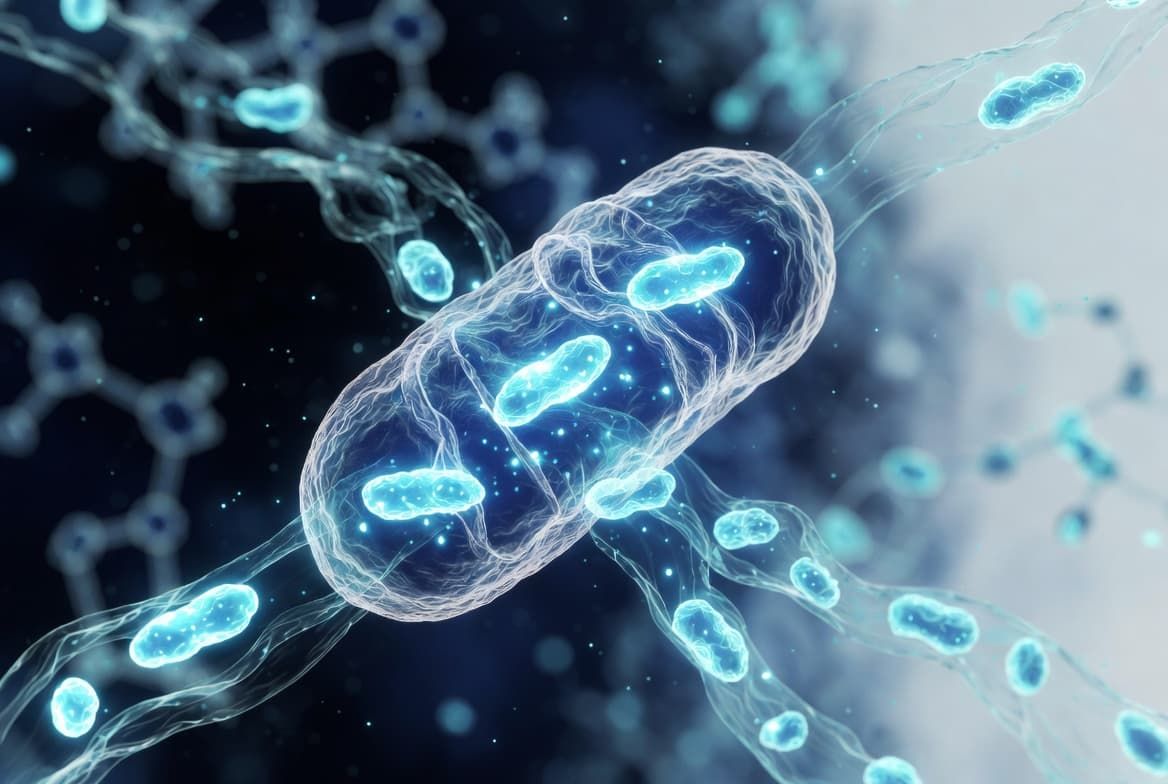
Illuminated mitochondrion with glowing ATP flow in cells, showing MOTS-c energy optimization role++
By Jeff Nunn May 28, 2026
A clear, science-backed look at the MOTS-c peptide. How it works, what the research shows, side effects, timing, and where to get it for research.
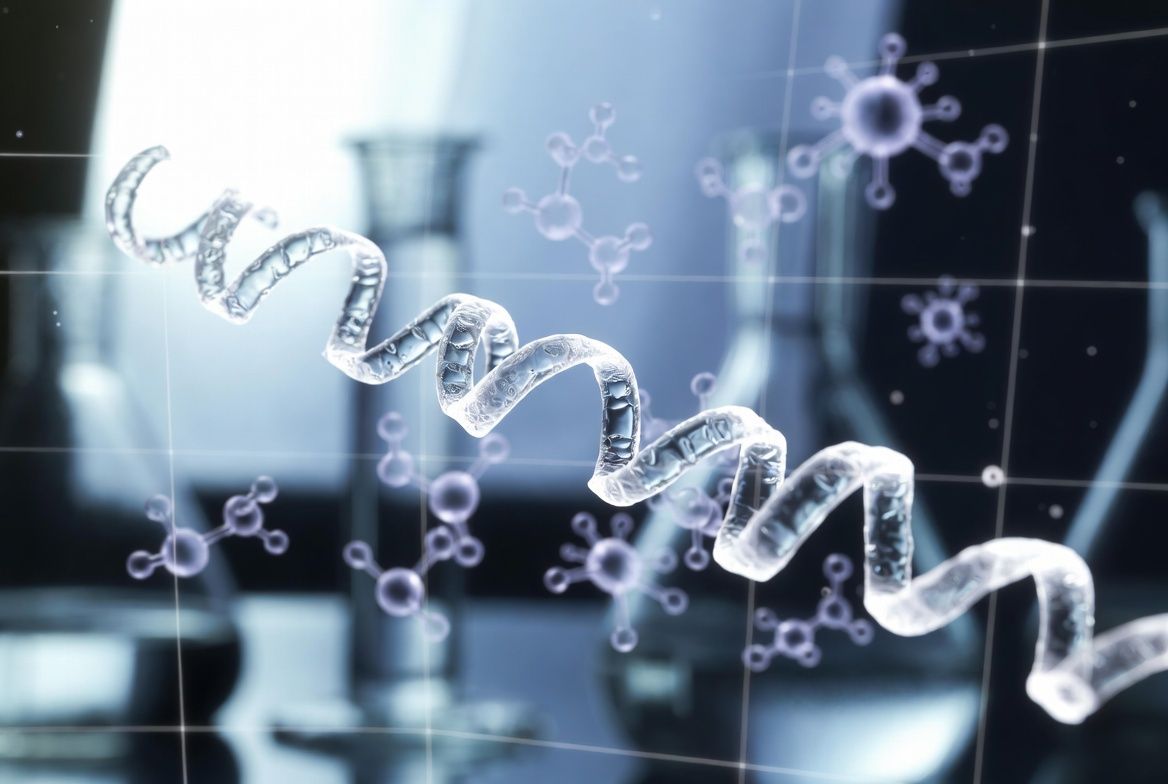
Luminous KPV molecular chain in blue lab with glowing bonds and cytokine particles in soft focus lit
By Jeff Nunn May 26, 2026
Discover what KPV peptide is, how it works, its anti-inflammatory benefits, research-backed dosage ranges, safety profile, and current scientific evidence.

Two people relaxing on a beach at sunset, facing each other by the shoreline.
By Jeff Nunn May 20, 2026
A research-focused overview of Melanotan 1, the synthetic alpha-MSH analog studied for skin pigmentation. Mechanism, reported results, and safety.
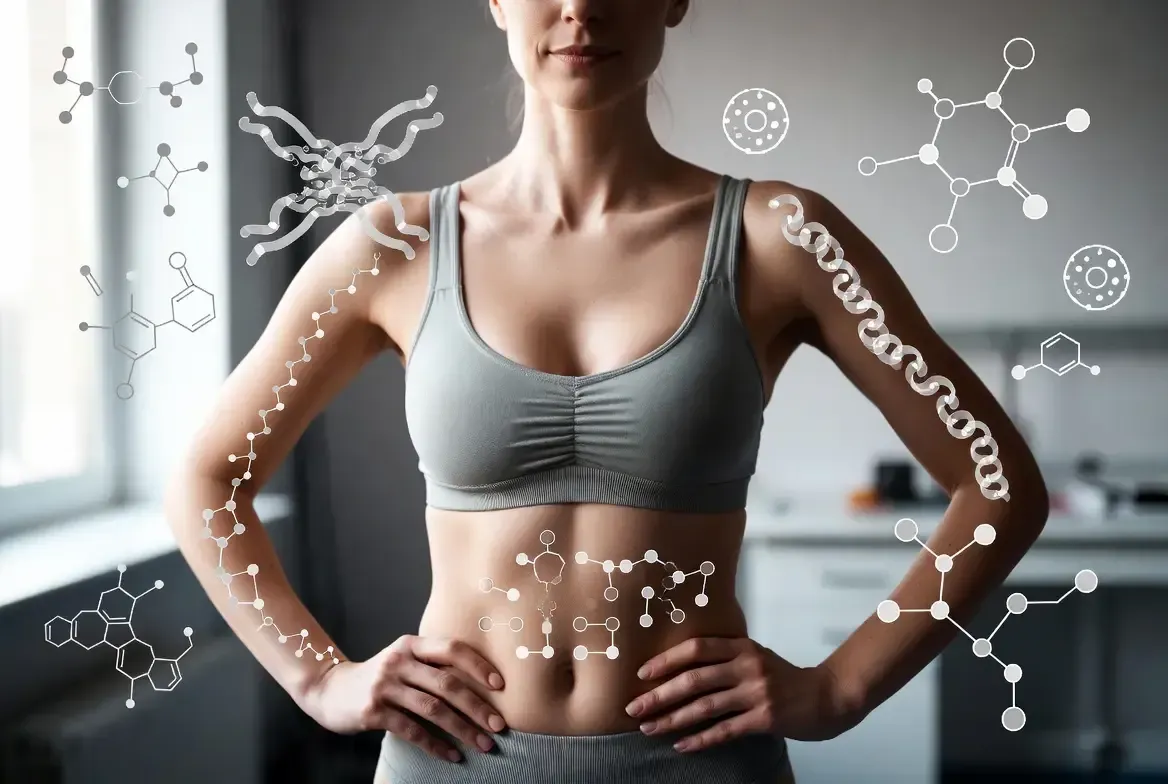
Confident woman in her 30s-40s viewed from low angle in soft natural light, overlaid with molecular
By Jeff Nunn May 13, 2026
A research-grounded overview of peptide benefits for women, covering skin, hormones, metabolism, mood, recovery, and safety considerations across life stages.

Glass vial on a lab counter in a bright, modern laboratory with blurred equipment in the background
By Jeff Nunn May 11, 2026
Learn what peptide support means, how peptides work, and the categories of peptides studied for muscle, immunity, joints, weight, sleep, thyroid, and longevity.
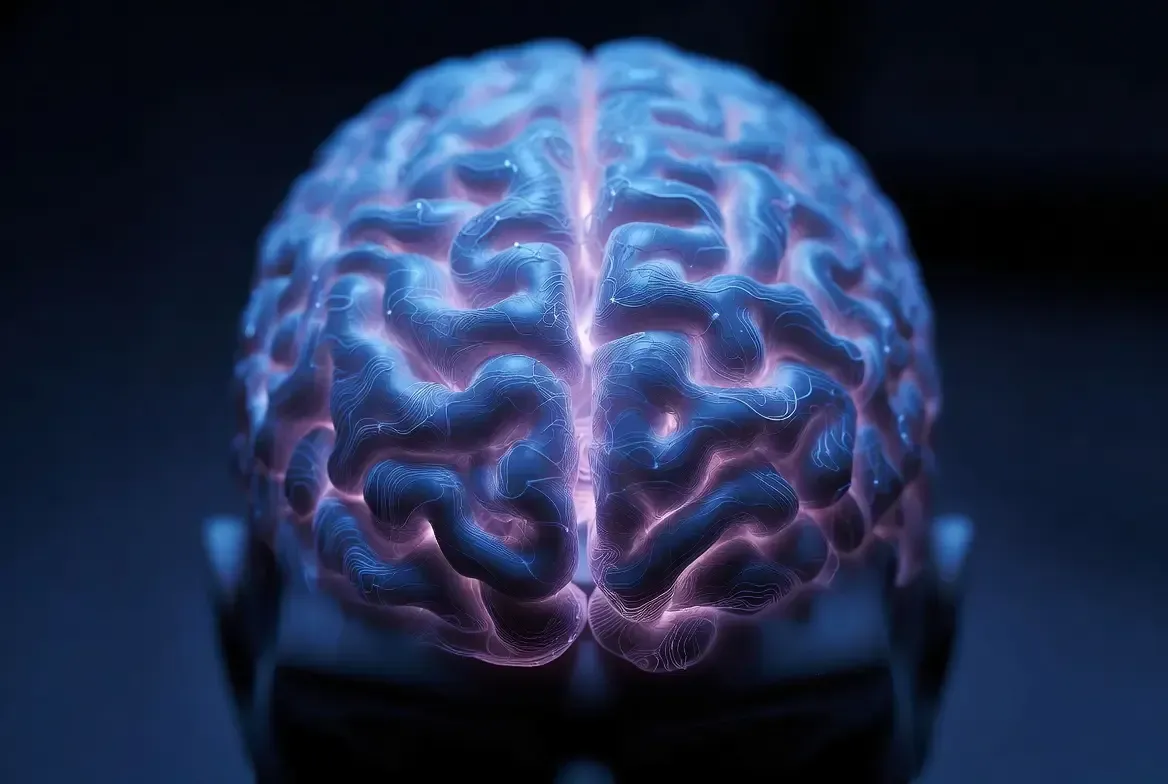
Top-down perspective of a human brain with illuminated neural pathways and active synapses in blue-v
By Jeff Nunn May 7, 2026
Compare the most studied peptides for mental focus, including Semax, Selank, Dihexa, Cerebrolysin, and Pinealon, with research context, mechanisms, and safety notes.

Abstract blue DNA strands with glowing particles in a molecular science visualization
By Jeff Nunn May 4, 2026
Cellular peptides regulate signaling, repair, and immune response at the cell level. Learn how they work, how they’re used, and why they matter.

Athlete performing barbell bench press in a modern high-performance gym with subtle glowing effect h
By Jeff Nunn May 4, 2026
Gonadorelin, Kisspeptin, and hCG are upstream peptides that influence testosterone through HPG axis activation. Here is what the research actually shows.
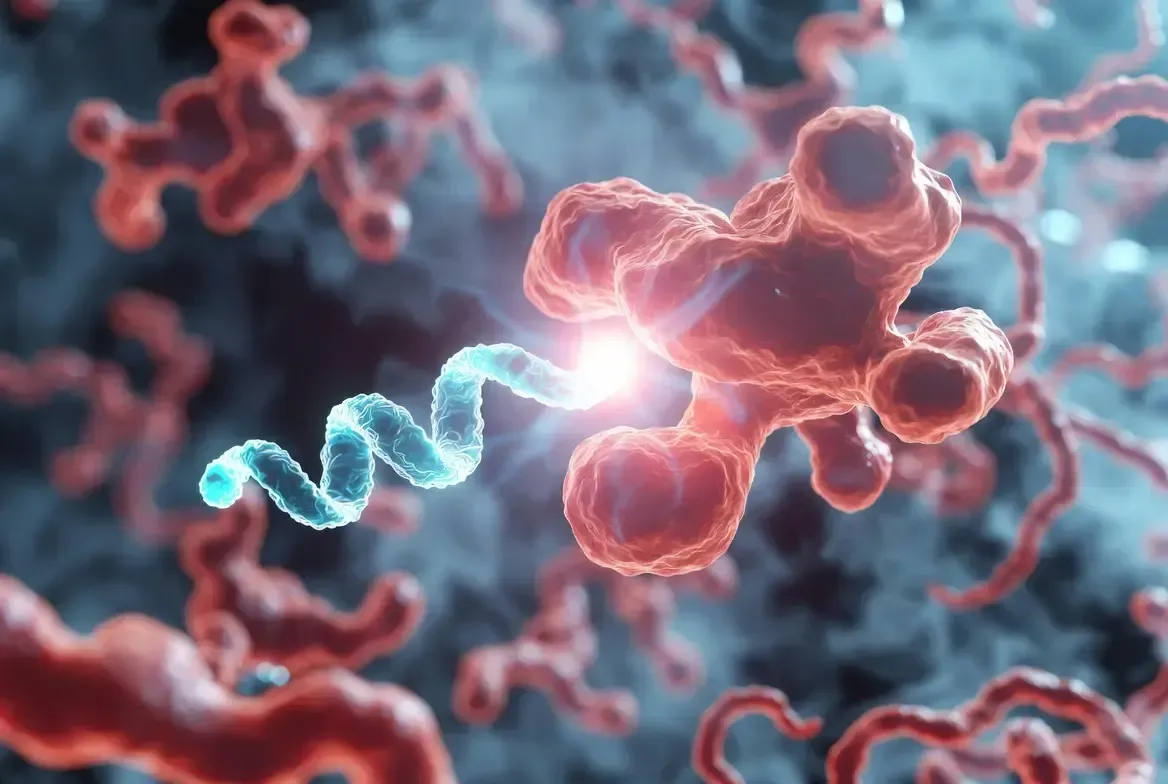
A detailed molecular visualization of a small peptide molecule attaching to a large flowing albumin
By Jeff Nunn April 30, 2026
CJC-1295 DAC and CJC-1295 No DAC are the same peptide with one small chemical addition. See how the DAC modification changes half-life, dosing, and side effects.
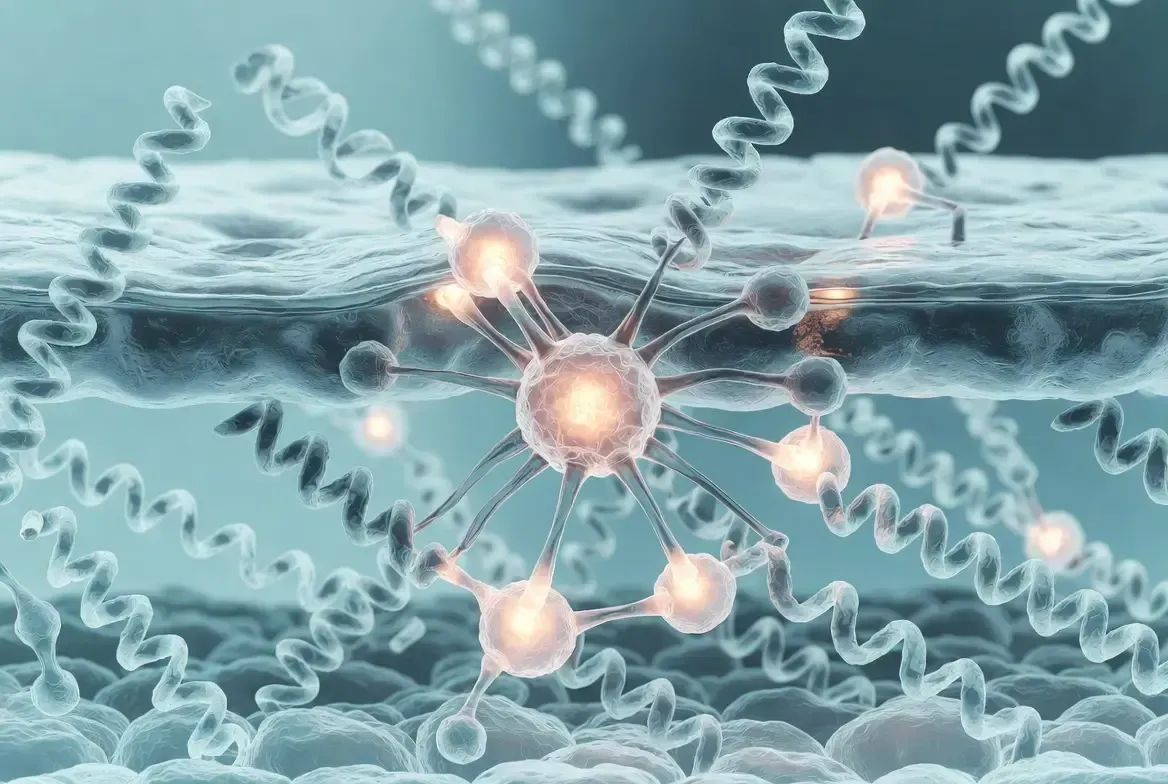
Abstract molecular network with glowing nodes and spiral DNA strands in a blue, icy background
By Jeff Nunn April 20, 2026
Learn what the GLOW Peptide Blend is, how GHK-Cu, TB-500, and BPC-157 work together for systemic recovery and anti-aging, and what the research says about benefits, dosing, and risks.
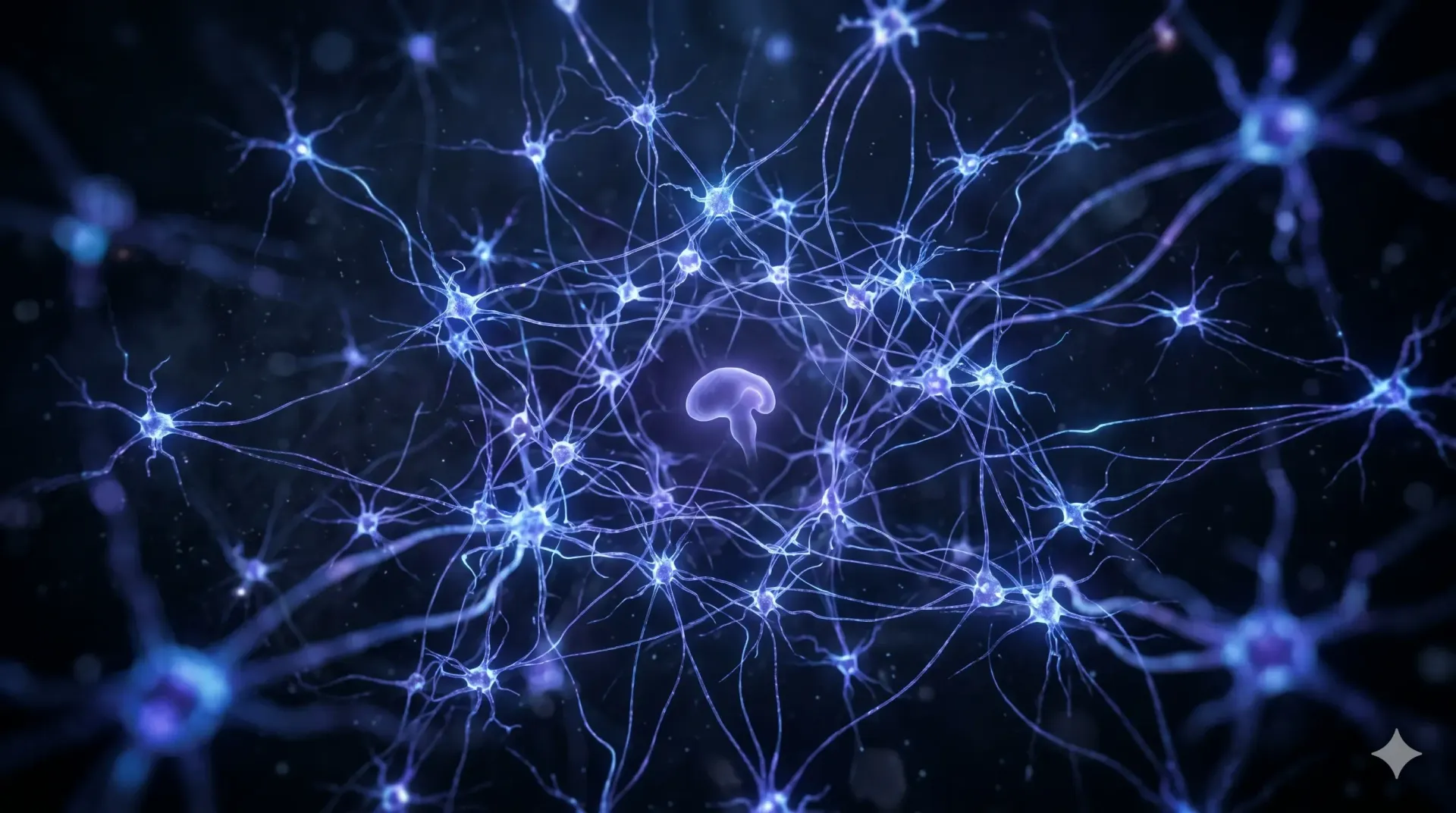
Glowing neural network with pineal gland at center representing Pinealon peptide bioregulation effec
By Jeff Nunn April 17, 2026
Pinealon is a synthetic tripeptide bioregulator studied for neuroprotection, cognitive support, sleep regulation, and anti-aging effects. Learn what the research says about its benefits, side effects, and mechanisms.
Minimalist peptide vial in a dark lab setting with a glowing DNA helix in the background.
By Jeff Nunn April 15, 2026
Vilon (KE) is a synthetic dipeptide bioregulator researched for immune aging and chromatin remodeling. Learn what the literature says about mechanisms, dosing, and sourcing.
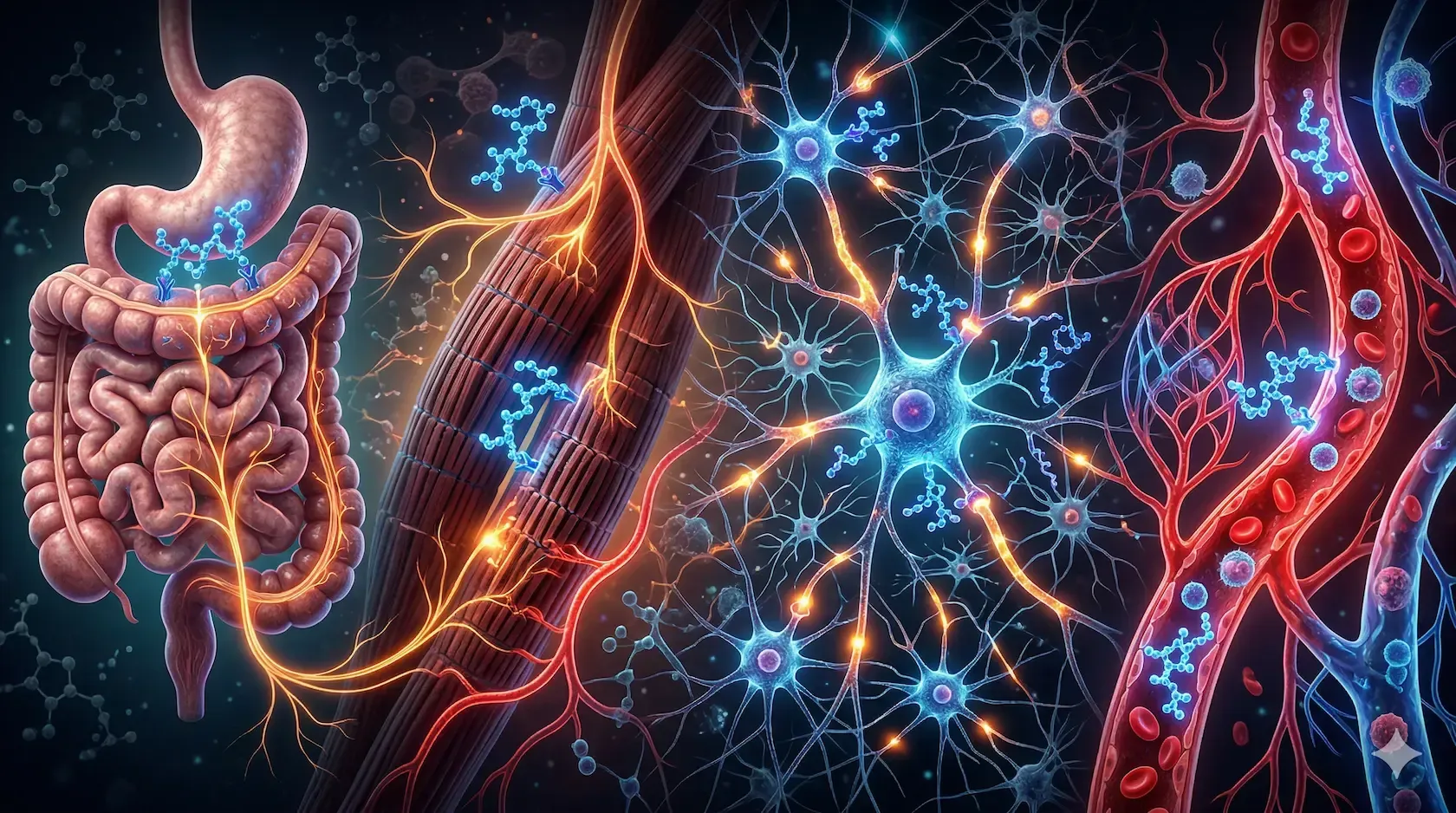
BPC-157 peptide visualization showing molecular interaction with gut tissue and neural pathways.
By Jeff Nunn April 10, 2026
BPC-157 isn't FDA approved and was banned by WADA in 2022. What human pilot studies, 2025 reviews, and angiogenesis cancer concerns mean for safety decisions.
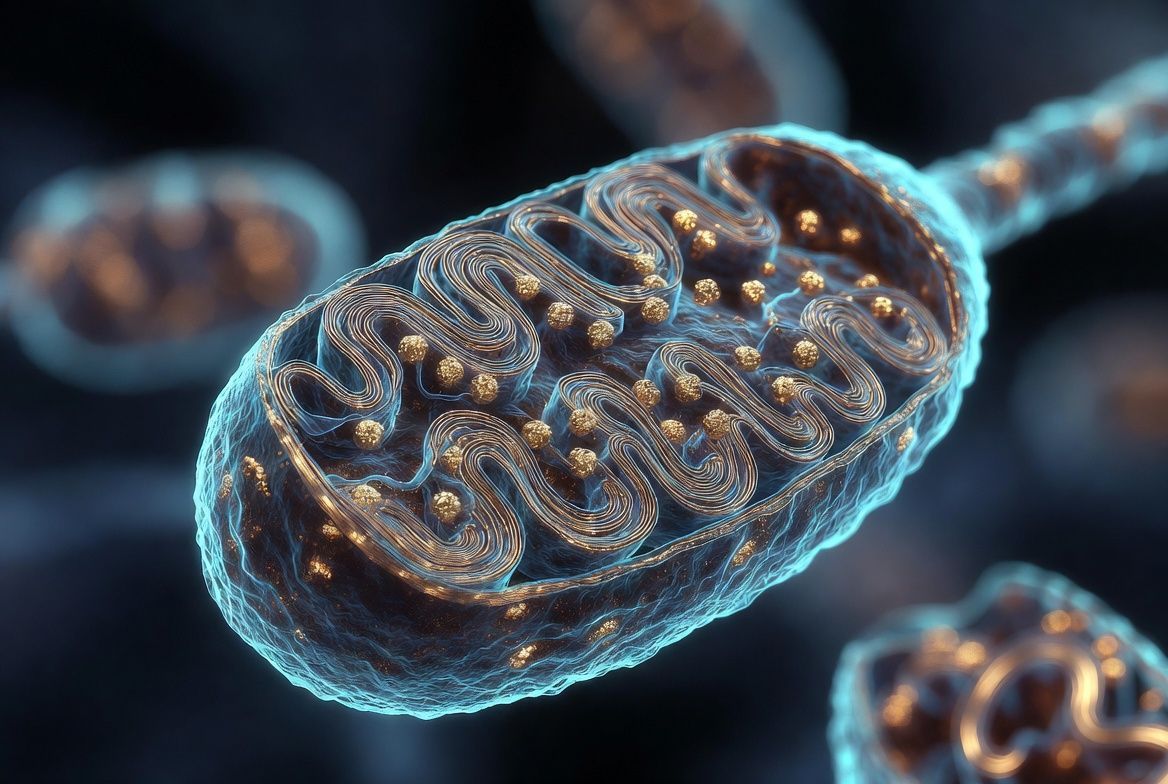
3D render of a mitochondrion with visible inner cristae folds against a dark, blurry background.
By Jeff Nunn April 9, 2026
What is SS-31? Research-focused breakdown of how elamipretide targets cardiolipin, improves ATP production, and what clinical studies show about its safety and applications.

A person in a gray t-shirt sitting down and holding their abdomen in visible discomfort.
By Jeff Nunn April 3, 2026
A research-backed breakdown of how GLP-1 receptor agonists affect the gallbladder and pancreas, including what the clinical data says about real-world risk.
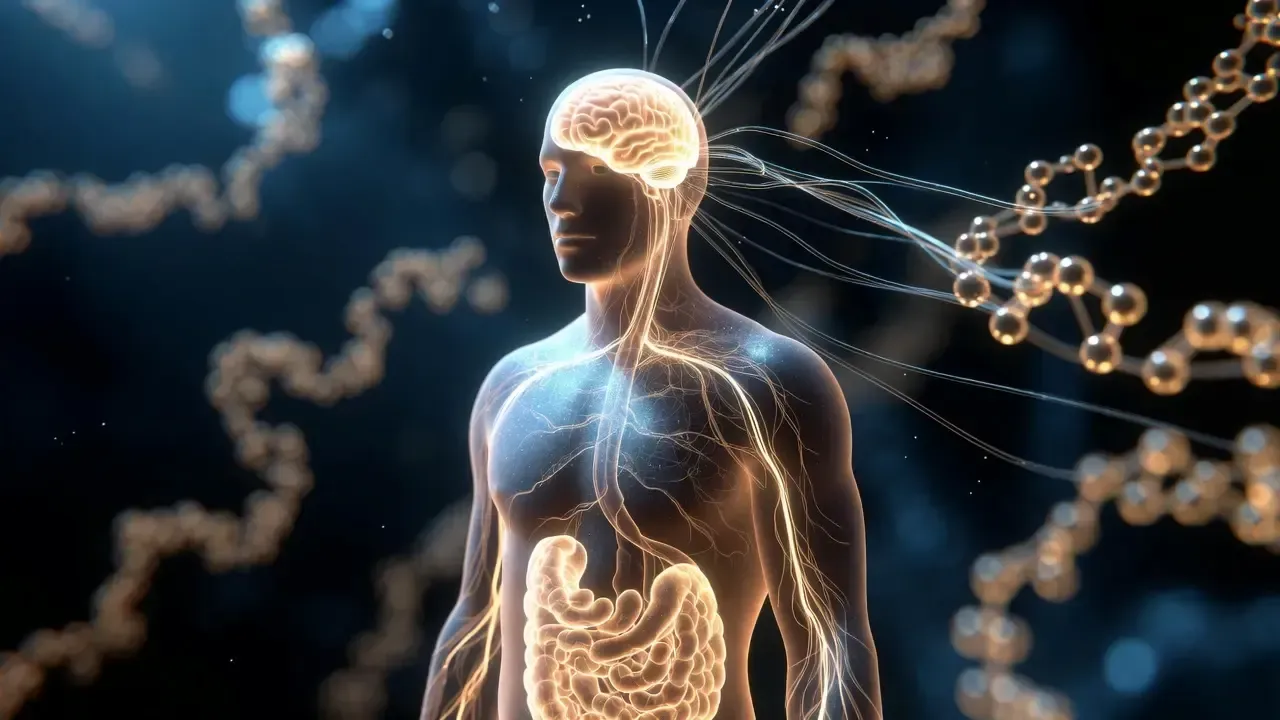
A glowing human figure shows connections between the brain and digestive tract, surrounded by floating molecular chains.
By Jeff Nunn March 23, 2026
Explore how peptide hormones regulate growth hormone, testosterone, and endocrine function. A research-focused guide to the best peptides for hormone balance.

A man in a futuristic lab has a glowing blue and green digital interface projected onto his arm while robotic arms operate.
By Jeff Nunn March 22, 2026
BPC-157 and TB-500 are the two most researched healing peptides available. This protocol covers exact stack ratios, dosing frequency, cycle length, and what the research actually shows.
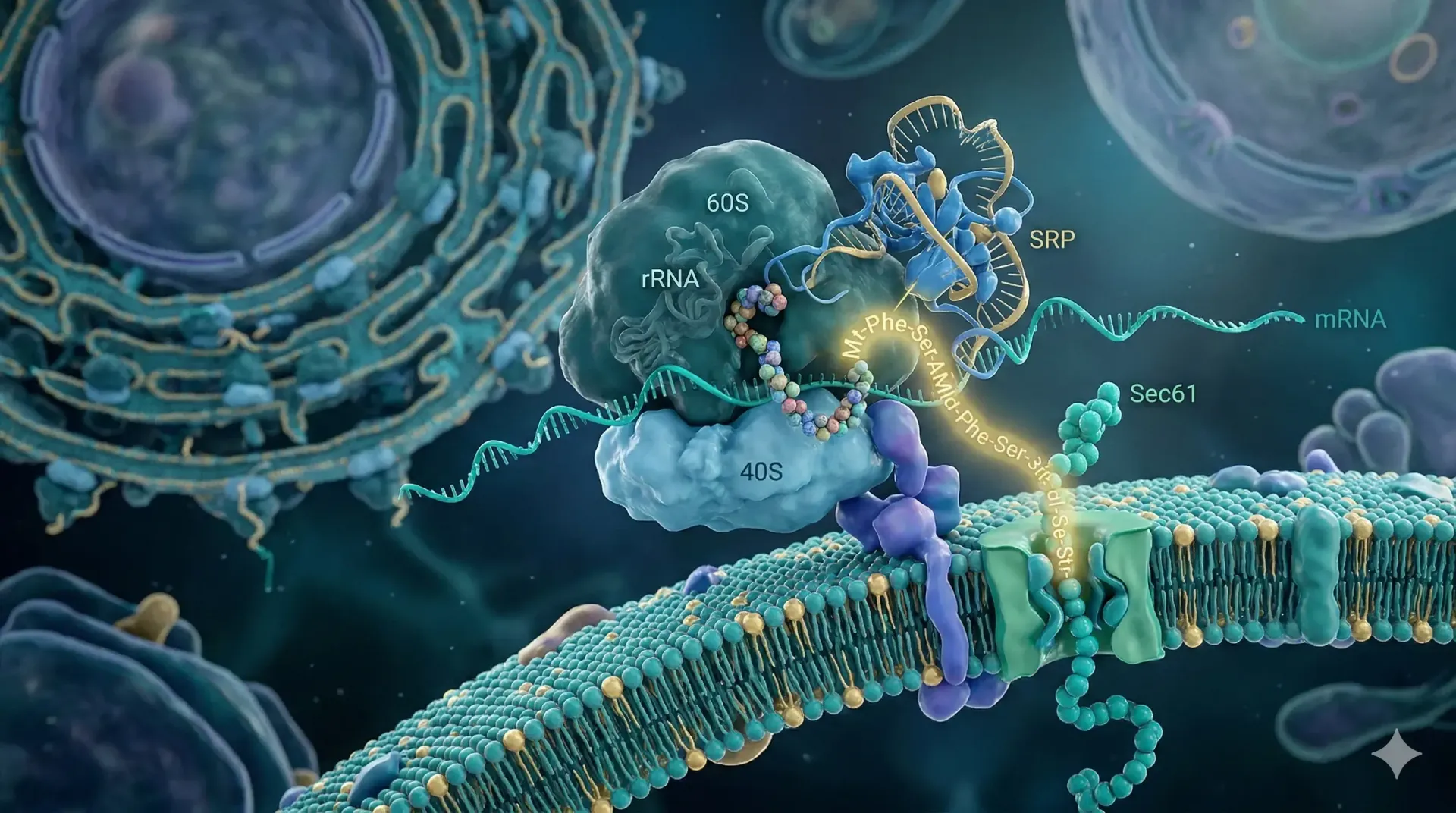
Signal peptide targeting: ribosome translating mRNA, SRP, and Sec61 translocon at the membrane
By Jeff Nunn March 20, 2026
Identify signal peptides from amino acid patterns, SignalP and deep-learning prediction, plus lab validation like mass spectrometry, Western blot, and N-terminal sequencing.
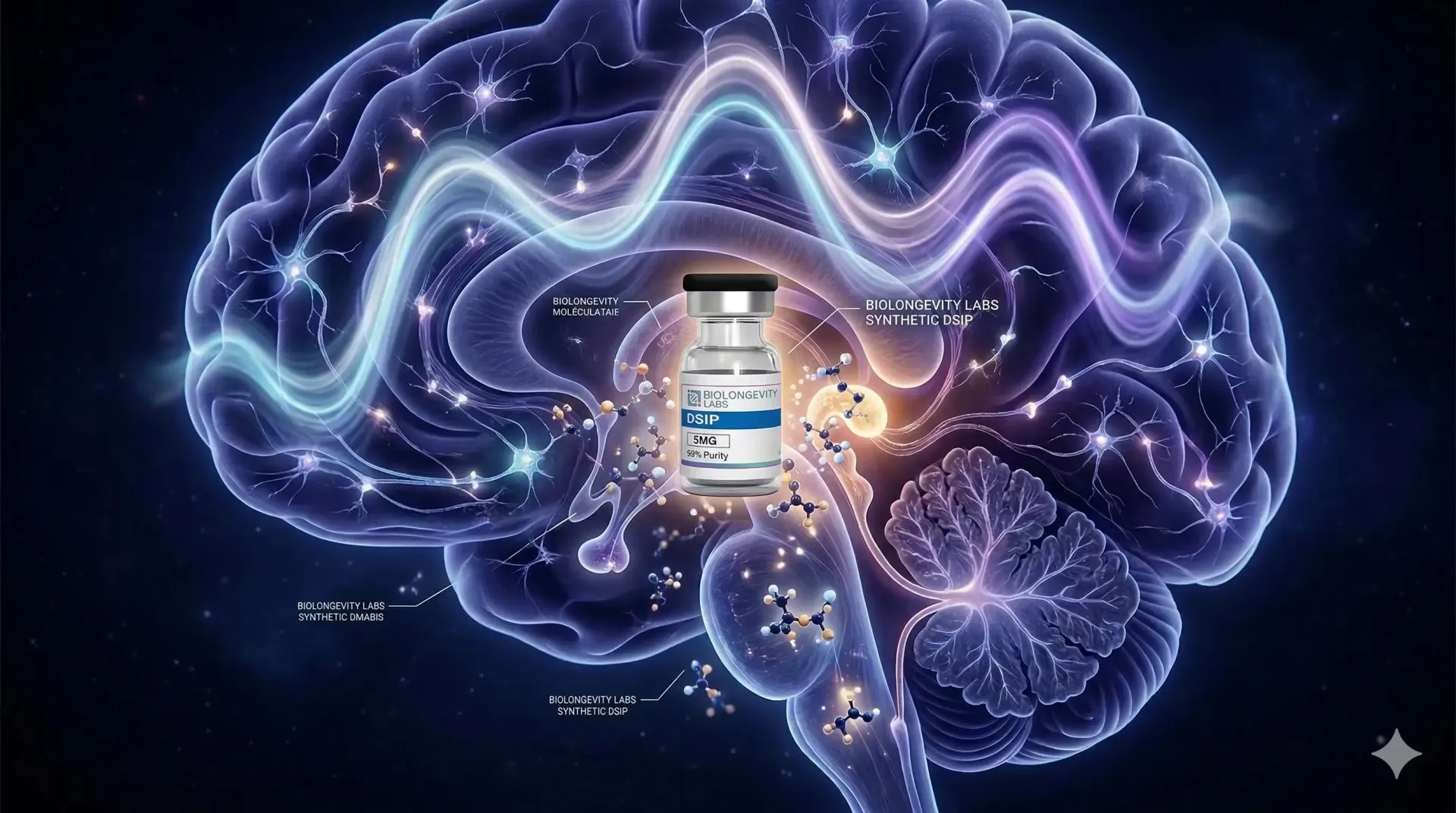
A glowing, purple-hued illustration of a human brain with a DSIP vial centered in the middle.
By Jeff Nunn March 19, 2026
DSIP peptide is a sleep-focused neuropeptide used in biohacking to improve deep sleep and recovery. Learn how it works, dosing strategies, and research insights.
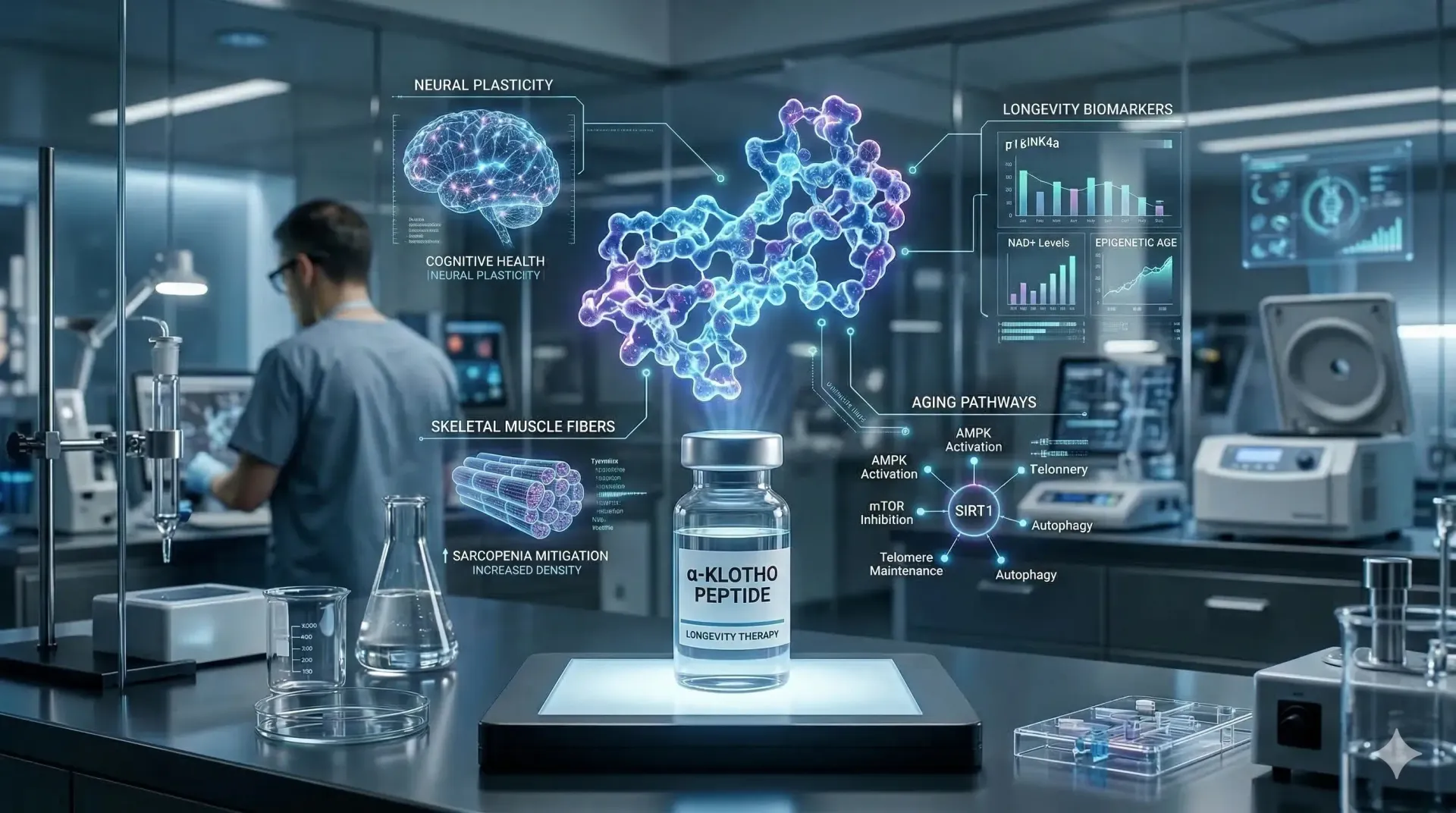
A scientist works in a lab behind a glass vial with holographic projections of DNA and brain scans.
By Jeff Nunn March 16, 2026
Klotho peptide explained: what alpha-Klotho does for cognition, muscle, and aging, where human trials stand, and how to source research-grade AlphaKlothoLR.

Empty regulatory shelves and courthouse silhouette representing FDA pressure on peptide industry
By Jeff Nunn March 11, 2026
Peptide Sciences shut down in early 2026. Here is what caused it, what it means for grey-market peptide access, and the vetted vendors still operating safely.

Vials of medication in a tray next to a notepad and pen, likely for tracking.
By Jeff Nunn March 1, 2026
Storage doesn't degrade peptides instantly. It changes your confidence in what remains active. Here's what actually matters after reconstitution.

Split visual contrasting peptide vials in lab with herbs and supplements in wooden bowl
By Jeff Nunn February 26, 2026
Understand the fundamental differences between peptide therapy and dietary supplements, why they're often confused, and why the distinction matters.
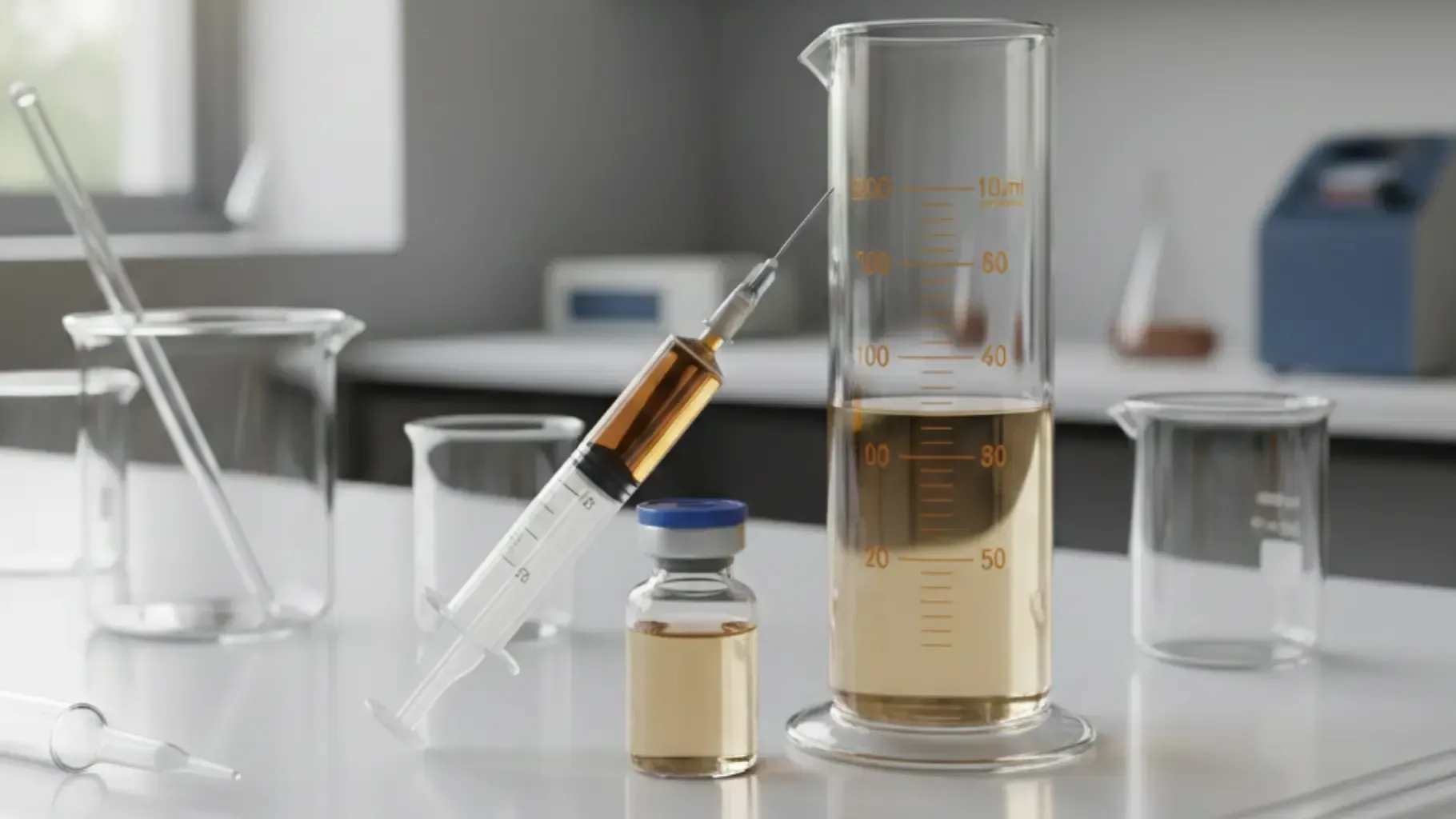
Graduated cylinder with amber peptide solution beside vial and syringe on clean lab bench surface
By Jeff Nunn February 23, 2026
Peptide concentration is set during reconstitution, not dosing. Learn how dilution volume determines strength per mL and why this matters before calculating doses.
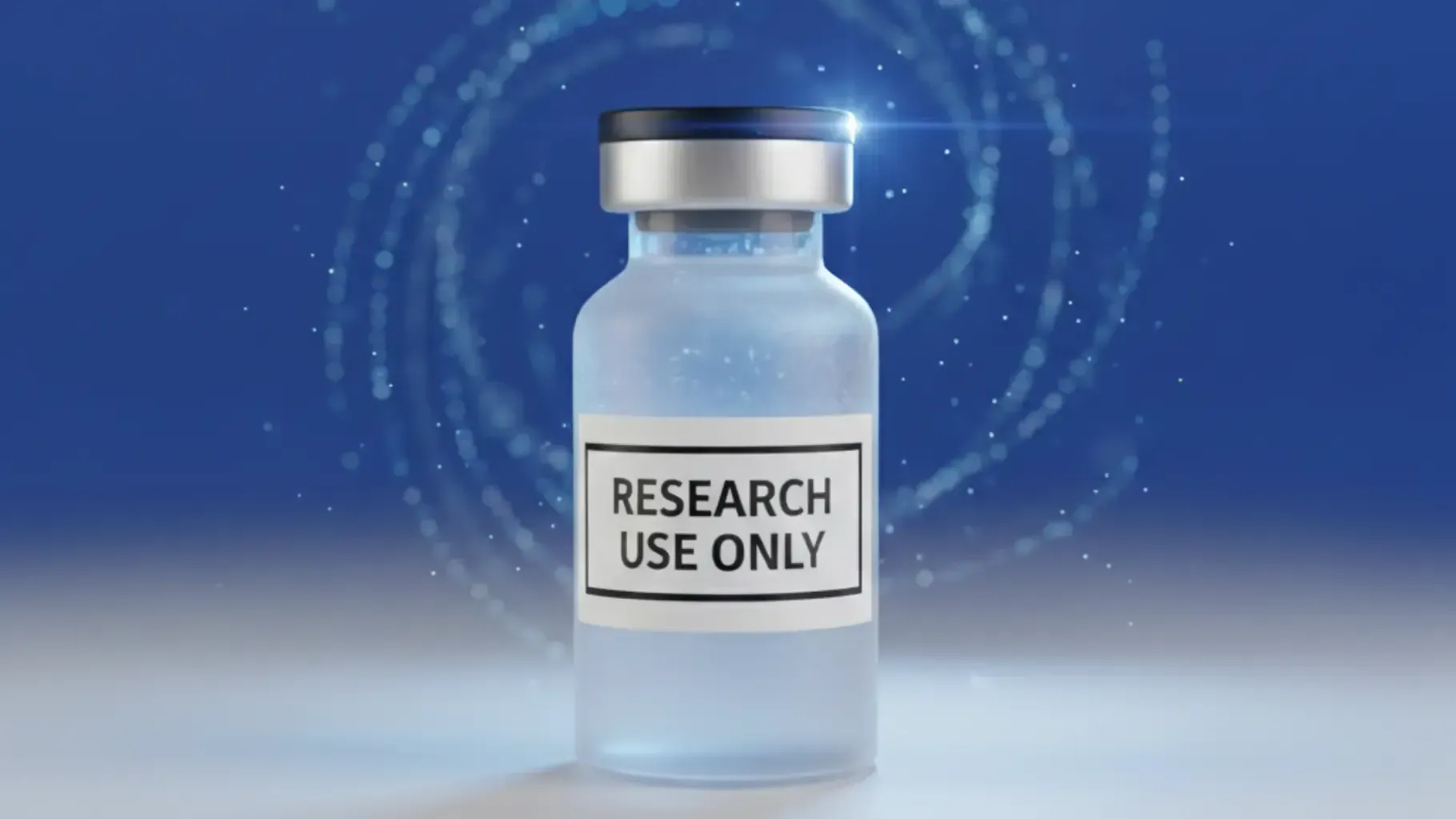
Research peptide vial labeled
By Jeff Nunn February 17, 2026
Learn what "research only" means on peptide labels, why vendors use this language, and how to avoid common misunderstandings about compliance terminology.

Man looks intently at two laptop screens displaying calculator apps. Dark setting, serious expression.
By Jeff Nunn February 16, 2026
Peptide calculators often produce different results. Learn what assumptions, rounding methods, and input fields cause these variations.

Man and woman gazing, overlaid with glowing brain illustrations, in home setting.
By Jeff Nunn February 12, 2026
Learn when to experiment with new interventions versus optimizing existing protocols in your biohacking practice for better health outcomes.

Profile of a person's head dissolving into pills, digital circuits, and data visualization elements.
By Jeff Nunn February 9, 2026
Discover the cognitive biases affecting peptide decisions. Learn why confirmation bias, authority bias, and overgeneralization lead to poor judgment.

Man overwhelmed with paperwork; woman thoughtfully looking out the window, notebook open.
By Jeff Nunn February 5, 2026
Experienced biohackers rely on decision frameworks, not copied protocols or endless data. Learn to evaluate risk, track the right metrics, and avoid decision fatigue.
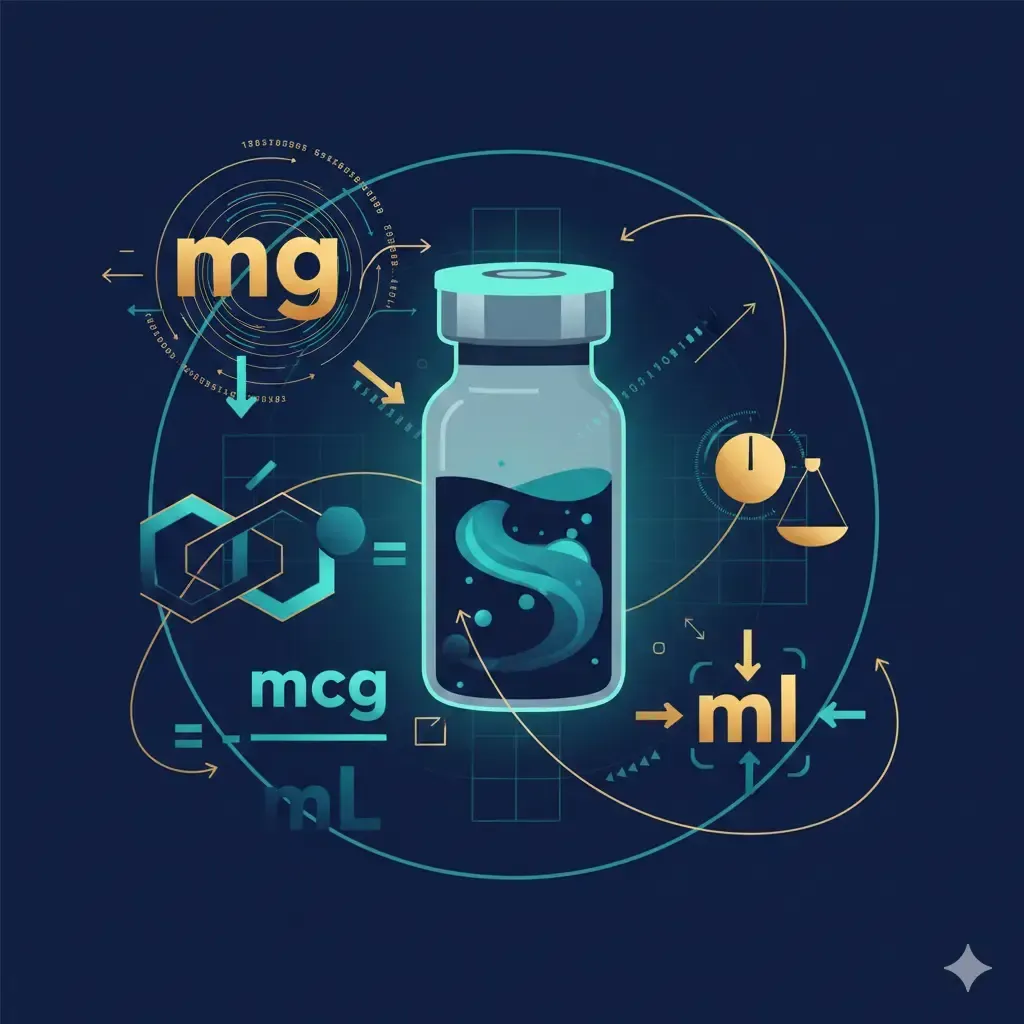
A vial of medicine surrounded by scientific symbols and units of measure, in blue and gold.
By Jeff Nunn January 31, 2026
Peptide dosing errors usually come from math, not peptides. Learn how mg, mcg, mL, and concentration work together before using a calculator.

Notebook and data visuals representing a structured biohacking research protocol.
By Jeff Nunn January 30, 2026
Learn how to design a biohacking research protocol using a clear N=1 framework. Define one outcome, track consistently, and reduce bias in self-experimentation.
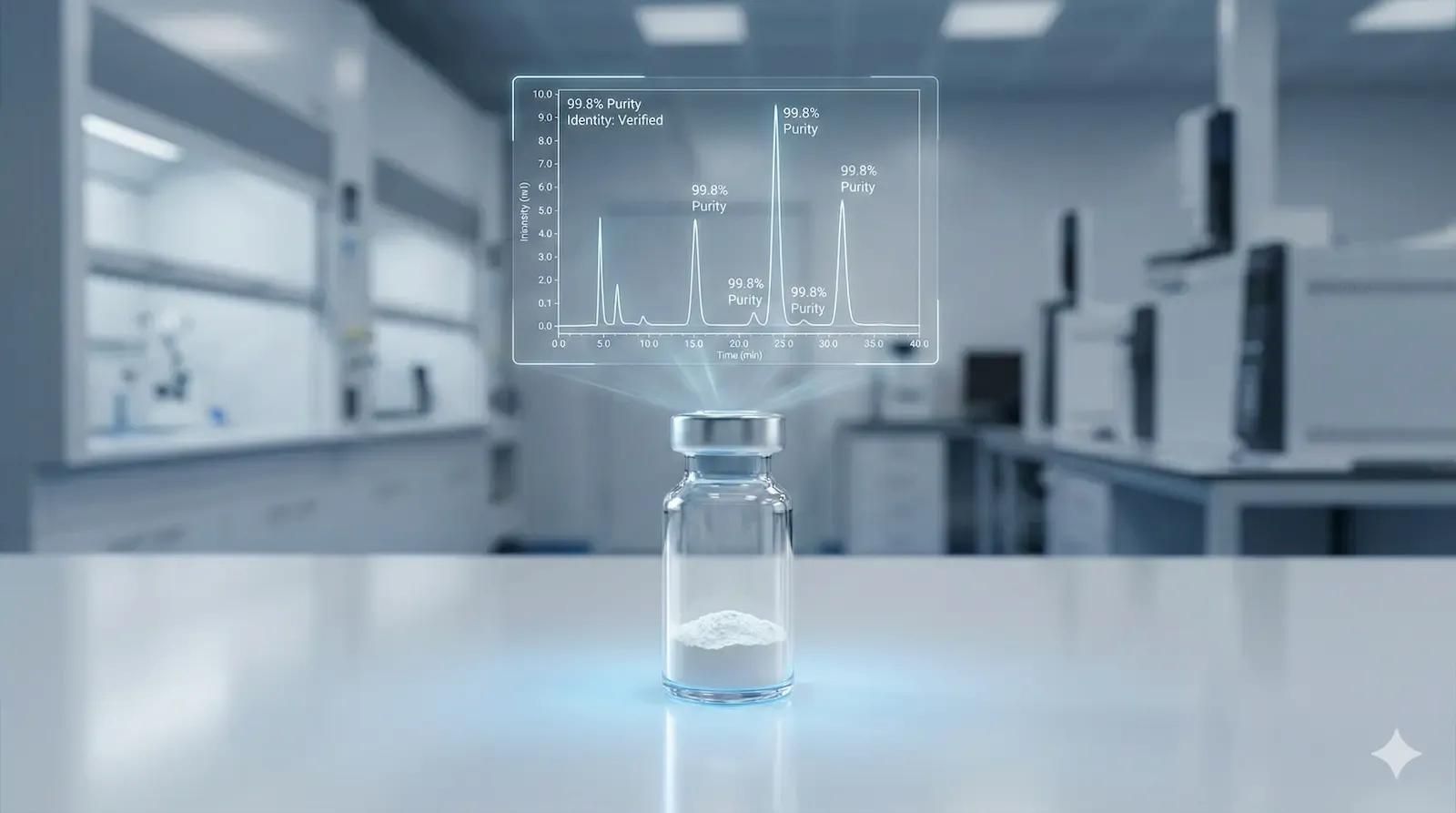
Single peptide vial on lab bench with chromatography analysis equipment glowing in background
By Jeff Nunn January 27, 2026
Learn what third-party testing for peptides actually verifies, what it doesn’t prove, and how to evaluate COAs and testing claims with confidence.

Flat lay of peptide injection supplies: vial, insulin syringe, alcohol swabs, and sharps container
By Jeff Nunn January 7, 2026
How to take a peptide shot (SubQ): step-by-step injection guide, where to inject, sterile technique, site rotation, common side effects, and safety tips.
Split-face comparison showing aged skin on one side and rejuvenated skin on the other.
By Jeff Nunn December 24, 2025
Evidence-based guide to peptides for skin repair, collagen production, and anti-aging. Learn protocols, dosing, and safety for GHK-Cu, BPC-157, Matrixyl, and more.
Peptide therapy vial with tomatoes, lettuce, weights, pen, and stethoscope for health and wellness.
By Jeff Nunn December 15, 2025
GLP-1 agonists like Semaglutide and Tirzepatide are reshaping peptide weight loss research. This covers mechanisms, real protocol structures, and what the evidence actually supports.
Balding head transforms to full hair, linked by glowing blue molecular structure.
By Jeff Nunn December 8, 2025
Discover how hair growth peptides like GHK-Cu promote regeneration through proven mechanisms. Evidence-based guide to peptide treatments for thinning hair.

RFK Jr. at a podium with peptide molecules, syringes, news screens, and influencers with phones
By Jeff Nunn November 24, 2025
What RFK Jr. has actually done on peptides, what the FDA changed in 2026, the July PCAC review, and the full timeline through 2027, with primary sources.

Abstract wavy gradient background in soft red, beige, and pale blue tones
By Jeff Nunn November 8, 2025
Learn to calculate your optimal PT-141 dose for sexual wellness. Evidence-based Bremelanotide dosing guidelines, reconstitution instructions, and safety protocols.

Gavel, scales, mortar and pestle, beakers, and caffeine molecule, symbolizing pharmaceutical law.
By Jeff Nunn October 24, 2025
Which peptides U.S. compounding pharmacies can legally sell in 2026, how the 503A and 503B rules work, and what the April 2026 Category 2 removals did and did not change.
Three vials of bacteriostatic water on a lab table with peptide structures superimposed.
By Jeff Nunn October 17, 2025
Bacteriostatic vs sterile water for peptide reconstitution: what to use, why benzyl alcohol matters, and how to store it safely for 28 days.
Man with knee pain, illuminated knee and molecular structure graphic.
By Jeff Nunn October 14, 2025
Discover TB-500, a synthetic healing peptide based on Thymosin Beta-4. Learn how it works, its potential applications, current research, and key considerations.
DNA helix next to two human figures. One kneels, the other runs; both glow in green and blue.
By Jeff Nunn October 2, 2025
Discover how evidence-based peptide therapies like BPC-157 and TB-500 speed injury recovery, support tissue repair, and enhance healing protocols safely.
An athletic man jumps on a court, highlighted by glowing DNA strands and a laboratory setting in a s
By Jeff Nunn October 1, 2025
BPC-157, TB-500, Ipamorelin, and MK-677 are the peptides serious athletes actually use. See how they apply to injury recovery, muscle growth, and endurance performance.
Blue molecular structure connected to a circular diagram of pink, blob-like shapes transforming, on a dark blue background.
By Jeff Nunn September 30, 2025
Learn what peptides are, how they work, and their applications in health and skincare. Evidence-based guide to peptide types, safety, and medical uses.
Show More

Blog Topics We Cover

This blog explores the cutting-edge intersection of biohacking and peptide science. Whether you're optimizing for athletic performance, metabolic health, injury recovery, or longevity, you'll find evidence-based insights and actionable protocols.

Key areas we cover:


  • Peptide Therapy & Protocols: Explore how peptide therapy protocols and applications influence hormone regulation, tissue repair, immune function, and cellular metabolism
  • Biohacking for Performance: Energy optimization, cognitive enhancement, muscle growth, and fat loss strategies
  • Recovery & Healing: Injury recovery protocols and structured plans using compounds like BPC-157 and TB-500. For full frameworks, see our guide on peptides for recovery protocols
  • Metabolic Health: Insulin sensitivity, weight management, visceral fat reduction, and metabolic optimization with peptides like GLP-1 receptor agonists such as Semaglutide and Tirzepatide
  • Longevity & Anti-Aging: Healthspan extension, cellular repair, DNA protection, and hormone optimization for healthy aging
  • Athletic Performance: How athletes use peptide hormones for muscle building, endurance, recovery, and body composition


Understanding Peptides: The Building Blocks of Biohacking

What Are Peptides?

If you're new to the space, start with our foundational guide on what are peptides and how they work. Acting as signaling molecules, they influence a wide variety of biological functions from hormone regulation and immune response to tissue repair and metabolic optimization.


Why Peptides Matter in Biohacking

Within the biohacking community, peptides have earned recognition as potent tools for enhancing health, performance, and longevity. By mimicking naturally occurring biological processes, synthetic peptides offer targeted ways to fine-tune your body's systems with precision.


Popular Peptides Among Biohackers:


  • BPC-157: Known for promoting faster recovery and healing from injuries, particularly in tendons and muscles.
  • Thymosin Alpha-1: Supports immune system optimization and resilience.
  • CJC-1295 & Ipamorelin: Commonly used together to promote growth hormone release and improve body composition.
  • TB-500 (Thymosin Beta-4): Enhances muscle recovery and flexibility, supporting healing of tissues throughout the body.
  • Semaglutide & Tesamorelin: FDA-approved peptides for metabolic health, weight loss, and visceral fat reduction.


How Peptide Therapy Works

Peptide therapy leverages these molecular messengers to enhance both physical and cognitive performance. These short chains of amino acids act as signaling molecules, helping the body regulate physiological functions like:


  • Metabolism: Improving insulin sensitivity, glucose regulation, and fat burning
  • Hormone Production: Stimulating natural growth hormone, testosterone, and other key hormones
  • Tissue Repair: Accelerating healing in muscles, tendons, ligaments, and connective tissue
  • Immune Function: Supporting immune system balance and resilience
  • Cellular Health: Promoting DNA repair, mitochondrial function, and cellular regeneration


From boosting mitochondrial efficiency to stimulating muscle growth, peptide protocols are tailored to individual goals and biological needs. Popular therapies include BPC-157 for injury repair, Thymosin Alpha-1 for immune modulation, and Semaglutide for metabolic support.


Optimizing the Human Body with Biohacking

Your Body as a Responsive System

Your body is more than a vessel—it's a responsive system capable of transformation through precise interventions. Biohacking empowers you to understand and influence your biology using science-backed strategies, and peptides are among the most promising tools in this endeavor.


How Peptides Influence Body Systems:

Peptides communicate with cells throughout the body, influencing processes such as:

  • Muscle Growth & Body Composition: Supporting lean muscle development and fat metabolism
  • Energy & Endurance: Enhancing cellular energy production and physical stamina
  • Recovery & Inflammation Control: Reducing inflammation and accelerating tissue repair
  • Sleep & Circadian Rhythm: Supporting deeper, more restorative sleep cycles
  • Metabolic Function: Improving how the body processes nutrients and regulates blood sugar


Biohackers often report increased energy levels and faster post-workout recovery with peptides like BPC-157 or TB-500. These compounds support cellular repair and tissue regeneration, enabling the body to bounce back quicker from physical stress while reducing the risk of chronic injury or fatigue


Wellness: The Foundation of Biohacking

Wellness is more than the absence of disease—it's a proactive approach to optimizing every system in your body. Through peptide therapy, biohackers achieve targeted wellness outcomes: improved sleep quality, enhanced recovery, balanced hormones, and sustained energy. Wellness-focused peptides like BPC-157 for tissue repair, Thymosin Alpha-1 for immune health, and Semaglutide for metabolic wellness empower you to take control of your health journey with precision and purpose.


The Science of Learning in Biohacking

Biohacking is a fast-evolving frontier, and staying ahead means mastering the art of continuous learning. Whether you're diving into the latest peptide research or experimenting with personalized protocols, effective study habits are key to transforming information into actionable wisdom. Prioritize peer-reviewed science, engage with biohacking forums, and use tools like Notion or Obsidian to build your personalized knowledge base.


Peptide Insights: Data Meets Bio-Individuality

Biohacking isn't just a trend, it's a revolution in how we understand and optimize the human experience. At the core of this transformation lies the power of informed experimentation. Peptides are rapidly gaining momentum in the biohacking community for their targeted effects on everything from muscle growth and fat loss to cognitive enhancement and recovery.


Our insights emphasize bio-individuality, your unique genetic, physiological, and lifestyle blueprint that influences how you respond to peptide protocols. For readers seeking curated suppliers, we maintain the current verified Biolongevity Labs discount code alongside documentation and transparency notes.


Metabolic Health and Energy Optimization

Metabolic health is the foundation of sustained energy and vitality. Peptides offer targeted support for insulin sensitivity, glucose regulation, and fat metabolism. GLP-1 receptor agonists like Semaglutide and Liraglutide improve metabolic function while promoting weight loss. Growth hormone-releasing peptides such as CJC-1295 and Ipamorelin enhance energy production by supporting natural hormone balance and lean muscle development.


For biohackers focused on energy optimization, peptides that influence mitochondrial function and cellular metabolism provide measurable improvements in daily stamina, mental clarity, and physical performance. Combined with proper nutrition and sleep, these protocols create a comprehensive approach to metabolic wellness.


Aging: Unlocking the Code to Longevity

Aging isn't just about wrinkles or gray hair, it's a complex, biological process involving cellular damage, DNA degradation, and hormonal shifts. Peptides play a crucial role in reversing or slowing down aspects of the aging process. Compounds like Thymosin Beta-4, Epitalon, and BPC-157 are gaining attention for their ability to support tissue regeneration, telomere repair, and overall vitality. By modulating cellular activity, these peptides may help extend health-span keeping both mind and body sharp for longer.


Benefits of Biohacking with Peptides

Biohacking with peptides empowers you to take control of your biology in a highly targeted way. Whether you're seeking enhanced focus, faster recovery, or improved longevity, peptides offer a cutting-edge advantage for personal optimization. Select peptides support circadian rhythm balance and cortisol regulation, promoting deeper, more restorative sleep and improved stress resilience.

Peptides like Epitalon and Thymosin beta-4 target cellular renewal, DNA repair, and immune modulation offering promising benefits in the pursuit of healthy aging and extended vitality.


Enhanced Sleep Quality: Select peptides support circadian rhythm balance and cortisol regulation, promoting deeper, more restorative sleep and improved stress resilience which are key pillars for mental and physical well-being.

Blog FAQ

  • What peptide gives you energy?

    While peptides aren't direct energy sources, some influence energy levels by affecting metabolism and hormone regulation. Growth hormone-releasing peptides like GHRP-6 and CJC-1295 promote muscle growth and fat metabolism, indirectly supporting energy production. For general energy support, balanced nutrition, adequate sleep, and exercise remain key.


  • What athletes use peptide hormones?

    Athletes across various sports—including cycling, weightlifting, track and field, and bodybuilding—have used peptide hormones to enhance performance, recovery, and physical appearance. Common peptides include human growth hormone (hGH) for muscle growth, EPO for endurance, and IGF-1 for muscle repair. However, their use without medical need is prohibited by anti-doping agencies.


  • Best peptides for metabolic health?

    Semaglutide and other GLP-1 receptor agonists like Liraglutide improve insulin sensitivity and promote significant weight loss. CJC-1295 and Ipamorelin stimulate growth hormone release to support fat metabolism and lean muscle gain. Tesamorelin reduces visceral fat and improves insulin sensitivity. Always consult a healthcare professional before beginning peptide therapy.


  • Best peptide for muscle building?

    IGF-1 LR3 and CJC-1295 stacked with Ipamorelin are often considered most effective for muscle growth due to their ability to boost natural growth hormone and IGF-1 levels. BPC-157 and TB-500, while not directly anabolic, aid in muscle recovery and injury repair, enabling better gains from training.


  • Why do athletes take peptide hormones?

    Athletes use peptide hormones to increase muscle growth, improve recovery, enhance endurance, reduce body fat, and counteract aging effects. However, their use for performance enhancement is often banned in sports and carries health risks. Such use is considered unethical and closely monitored by anti-doping agencies.


  • How do biohacking strategies support weight loss and fitness goals?

    Effective biohacking strategies combine peptide protocols with targeted nutrition, resistance training, and lifestyle optimization to accelerate weight loss and improve body composition. By integrating approaches like intermittent fasting, stress management, quality sleep, and specific peptides that support fat metabolism and muscle preservation, biohackers create comprehensive programs for sustainable fitness results.