About the Author:
Jeff Nunn is the founder of Project Biohacking. With over 30 years of biohacking practice, he applies decades of self-experimentation methodology to peptide research, dosing math, and vendor evaluation.

A veterinary emergency turned into a breakthrough discovery about peptide therapy for pets
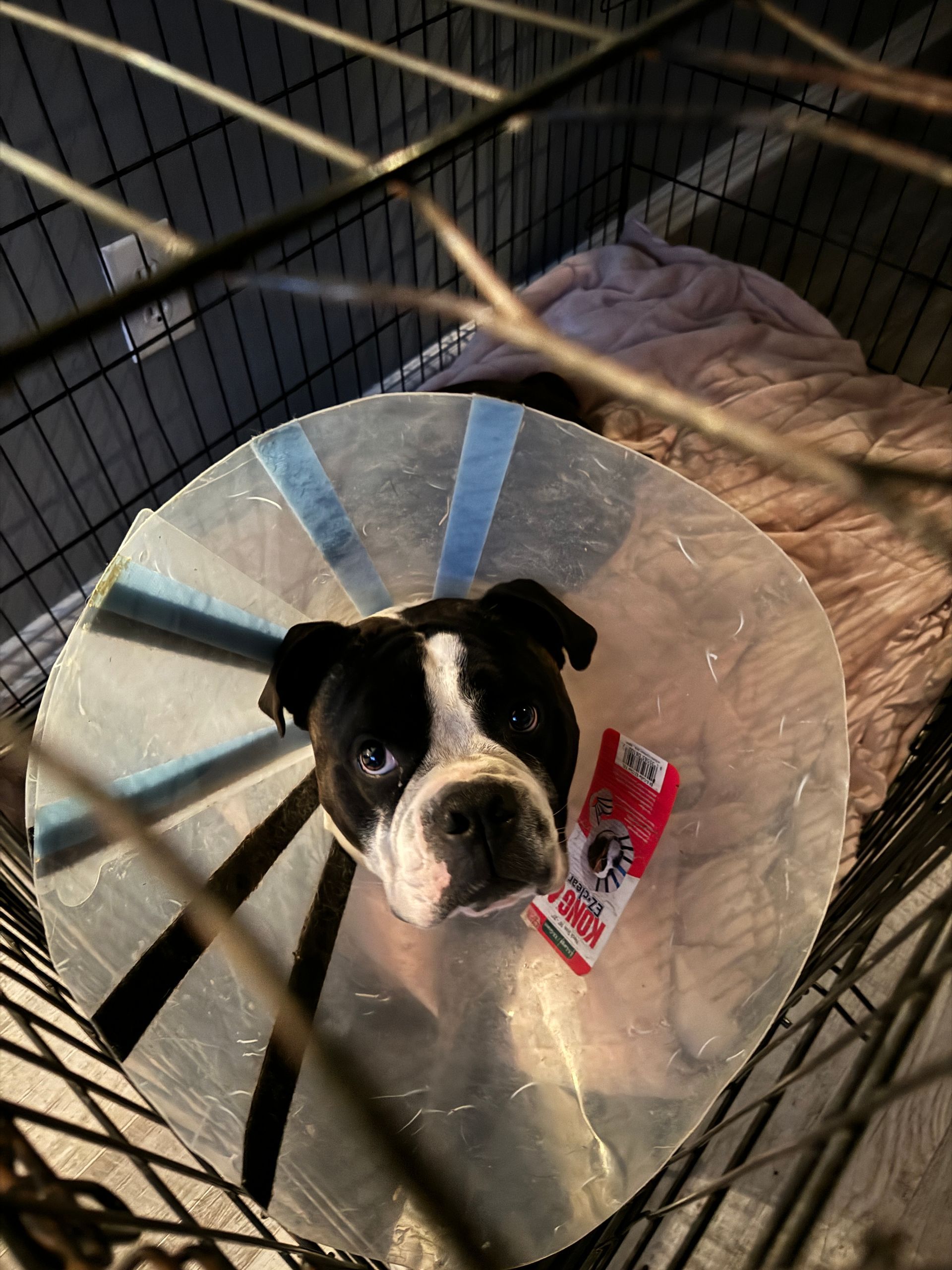
Picture this: You wake up on a peaceful Saturday morning, only to find your beloved dog has torn a two-inch hole in his leg down to the muscle and bone. That's precisely what happened to me and my dog Zeus.
It started innocently enough. Zeus had developed a hematoma on his hind leg, essentially a blood-filled bump under the skin. When it burst, he began scratching at it. At first, it seemed minor. Just a little irritation that he was worrying about.
But overnight, everything changed.
When I woke up that morning, I discovered Zeus had chewed completely through his skin, creating a gaping wound that exposed muscle and bone underneath. The sight was horrifying. My heart dropped as I watched my one-and-a-half-year-old pup in apparent agony.
I rushed Zeus to our veterinarian immediately. Even she was stunned by what she found during the examination.
"This is very serious," she said, her face grave as she assessed the damage. The hematoma had created a pocket beneath Zeus's skin that extended three inches in every direction from the visible wound. It was bleeding, infected-looking, and far worse than it appeared on the surface.
Her recommendation?
Emergency veterinary surgery at the animal hospital.
The cost: $4,000. The timeline: An entire weekend in intensive care.
The surgery would involve cleaning out the entire wound area to prevent sepsis and ensure proper healing. While I love Zeus and would do anything for him, I had to ask about alternatives.
"Well," the vet said thoughtfully, "there is another option, but it's going to require serious commitment from you."
Her alternative plan involved:
This timeline would stretch from Thanksgiving through Christmas, a daunting prospect for both Zeus and our family.
As I drove home with the treatment supplies, my mind started racing. I'd been following the emerging research on peptide therapy for humans. Could the same regenerative compounds that were helping people heal faster also work for my dog?
That night, I placed an overnight order for BPC-157 and TB-500 – two peptides known for their remarkable healing properties. The combination is sometimes called the "Wolverine Protocol" because of how dramatically it can accelerate tissue repair.
My reasoning was simple:
I decided to start with a dose three times higher than what I would take myself, adjusted for his metabolism and body weight. Because BPC-157 dosing for dogs varies by size and condition, it’s essential to calculate dosages carefully. Our pet peptide dosage calculator helps ensure accurate measurements for veterinary peptide protocols.
Exactly one week later, I brought Zeus back for his scheduled check-up.
The veterinarian took one look at the wound and literally shook her head in disbelief.
"Well," she said slowly, "you won't need to come back every week anymore. I have no medical reason to see you weekly; he looks like he's doing remarkably well."
In just seven days, Zeus's wound had healed more than she expected to see in several weeks.
I continued the peptide protocol twice daily for about a month. The transformation was incredible to witness:
By the end of the month, Zeus looked like he'd simply bumped into something and gotten a minor scratch. The deep, extensive wound was completely healed.
Let's talk numbers for a moment:
Zeus was completely healed in one month instead of the projected 8-10 weeks with traditional treatment.
During a routine examination several months later, X-rays revealed that Zeus had hip dysplasia, a serious condition for such a young dog. The veterinarian immediately began discussing surgical options.
But I had a different idea.
Instead of subjecting Zeus to another major surgery, I decided to continue giving him the Wolverine peptide blend every six months as a preventive measure.
The results speak for themselves: Zeus is now in fantastic shape, and his hip dysplasia has never caused him any noticeable discomfort or mobility issues.
Zeus's story illustrates something revolutionary happening in veterinary medicine. The same regenerative therapies that are transforming human health can help our pets heal faster, more completely, and with less invasive intervention.
Key takeaways from our experience:
Imagine if peptide therapy became mainstream in veterinary medicine. How many pets could avoid unnecessary surgeries? How many owners could save thousands of dollars while giving their animals better outcomes?
Zeus's healing journey opened my eyes to the incredible potential of regenerative medicine for pets. While this was our personal experience, and results may vary, it's clear that we're on the cusp of a significant shift in how we approach animal healthcare.
Before anyone considers peptide therapy for their pets, please note:
Dosing peptides for dogs requires even greater precision than human protocols. To ensure safety and accuracy, use our peptide calculator for pets, designed specifically to calculate peptide dosages based on animal weight and protocol requirements.
Zeus's story isn't just about one dog's remarkable healing; it's about the future of veterinary medicine and the incredible bond between humans and their animal companions.
Read more on the Project Biohacking Newsletter.
Have you had experiences with alternative or regenerative therapies for your pets?
About the Author: A pet owner passionate about exploring innovative health solutions for both humans and animals. When not researching the latest in peptide therapy, you can find them hiking with Zeus, who continues to thrive years after his remarkable recovery.
Peptides for dogs are short chains of amino acids that act as signaling molecules in the body. In veterinary research contexts, they are being explored for roles in tissue repair, inflammation modulation, immune signaling, and metabolic regulation.
Safety depends on the specific compound, dose, sourcing quality, and veterinary oversight. Most peptides discussed in the biohacking space are not FDA-approved for veterinary use, so they should be approached as research compounds and not routine treatments.
Dogs have significantly lower body weight and different metabolic rates. Small miscalculations can lead to large relative dosing errors, which is why precise reconstitution and measurement are critical.
In research settings, peptides are commonly administered via subcutaneous injection. Some compounds are also being explored in topical or oral formats, but absorption and effectiveness can vary widely.
Peptides often discussed in veterinary research and biohacking communities include:
These uses are based on emerging research and anecdotal reporting, not established veterinary standards.
No. Dogs require weight-based calculations and species-specific considerations. Applying human dosing protocols to dogs significantly increases the risk of over- or under-dosing.
You must account for:
A dedicated calculator helps convert these variables into accurate syringe units.
The largest risks are:
Some veterinarians may explore peptide-based therapies in integrative or experimental settings, but most peptides used in biohacking are not part of standard veterinary protocols.

About the Author:
Jeff Nunn is the founder of Project Biohacking. With over 30 years of biohacking practice, he applies decades of self-experimentation methodology to peptide research, dosing math, and vendor evaluation.
Important Disclaimer: The content on Project Biohacking is for educational and informational purposes only and is not intended as medical advice, diagnosis, or treatment. Always consult a qualified healthcare professional before making any changes to your health regimen, starting new supplements, peptides, or protocols. Nothing on this site establishes a doctor–patient relationship, and you use the information at your own risk. Research compounds discussed here are sold for laboratory research purposes only and are not approved for human or veterinary use or consumption.
“For educational use only. Not medical advice. Read our full disclaimer.”
+1 214-278-4039
All Rights Reserved | Project Biohacking