
Peptide Calculator Hub: All 9 Dosage & Reconstitution Tools
This is our calculator hub, browse all tools below or jump to the main peptide calculator.
The Project Biohacking calculator hub brings every tool into one place: peptide dosing math, reconstitution and mg to mL conversion, pet peptide calculations, and GLP-1 risk screening. Each calculator converts the values you enter into clear syringe units, vial concentrations, and schedule outputs so you can verify your math before you rely on it. Pick a calculator below to get started.
Research and Educational Use Only
Project Biohacking calculators are mathematics and education tools only. They do not provide medical advice, diagnose conditions, prescribe treatment, or recommend a protocol.
Each calculator works only from the numbers or answers you enter. A result shown by a calculator is a conversion, estimate, schedule output, or educational risk flag, not a recommendation to use any compound.
Many research peptides are not approved for human use, and laws and regulations vary by location and change over time. Before making any decision involving a compound, independently verify every calculation, confirm the product and its labeling with the supplier, and consult a qualified professional.
Purity and labeling accuracy vary widely between suppliers. What we assess, including third-party testing, lot-specific certificates of analysis and laboratory independence, is set out on our rating methodology page.
Codes differ by vendor, from 10 to 20 percent off. The current peptide discount codes page lists the Project Biohacking code for each one.
Use these tools to check your math, not to decide whether or how to use a peptide, GLP-1 medication, or research compound.
Which tool should I use?
Use the compound-specific calculator that matches your peptide, since vial sizes and dose conventions differ by compound. This hub covers dedicated tools for BPC-157, TB-500, retatrutide, GHK-Cu, and a combined BPC-157 and TB-500 blend, plus a GLP-1 risk tool and a pet peptide calculator. For any compound not listed, the main peptide calculator handles the same reconstitution math for any vial.
Choose Calculator
Main Calculator
The main Peptide Calculator converts dose, vial concentration, bacteriostatic water volume, and syringe units from the numbers you enter.
Use it to reconstitute a vial, work out the exact units to draw, and map a research schedule. It is the core dosing and reconstitution tool the other calculators build on.
Pets Dosage Calculator

The Peptide Calculator for Pets helps convert pet weight, vial concentration, and entered research values into clear unit math.
Use this calculator when the calculation needs to account for animal body weight and smaller dose ranges. It is educational only and does not replace veterinary guidance.
GLP-1 Risk Calculator

The GLP-1 Risk Assessment Calculator helps organize common risk factors before someone discusses GLP-1 use with a qualified professional.
It does not determine eligibility, diagnose a condition, or recommend medication. It simply helps surface factors that may deserve closer review.
Compound-Specific Calculators
Retatrutide Dosage Calculator
The Retatrutide Dosage Calculator handles GLP-1 reconstitution math. Enter your vial size and the bacteriostatic water you plan to add, and it returns the concentration, the units to draw for a weekly research dose, and how much water hits a target strength. It answers the common "how much bac water for 10mg retatrutide" question directly.
Research and educational use only, not a dosing recommendation.
BPC-157 Dosage Calculator
Built for the most-searched research peptide on the site. Enter vial size, water volume, and your target dose, and the BPC-157 Dosage Calculator returns the vial concentration and the exact units to draw. It shows the reconstitution steps so you verify the math instead of trusting a black box. Math tool only, not medical advice.
TB-500 Dosage Calculator
Enter your TB-500 vial size, the bacteriostatic water added, and a target dose, and the calculator returns the concentration and the units to pull. Every result shows the underlying reconstitution math so you can check it line by line. It converts the numbers you enter and does not recommend a dose for any purpose.
BPC-157 and TB-500 Blend Calculator
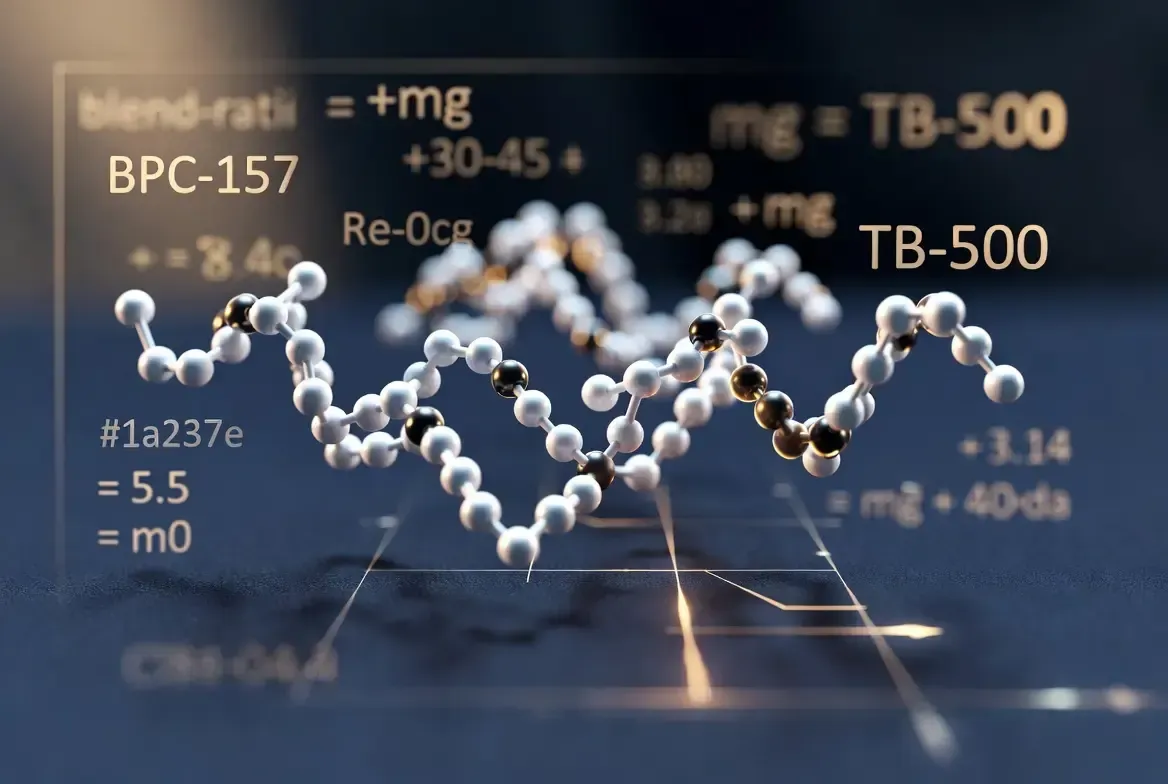
Combined BPC-157 and TB-500 vials are where hand math breaks down. This calculator splits the blend by each compound's share, factors in your water volume, and returns per-compound concentrations and draw units for a single injection. If you run a blended vial, this is the tool that keeps the two doses straight. Research and educational use only.
GHK-Cu Dosage Calculator
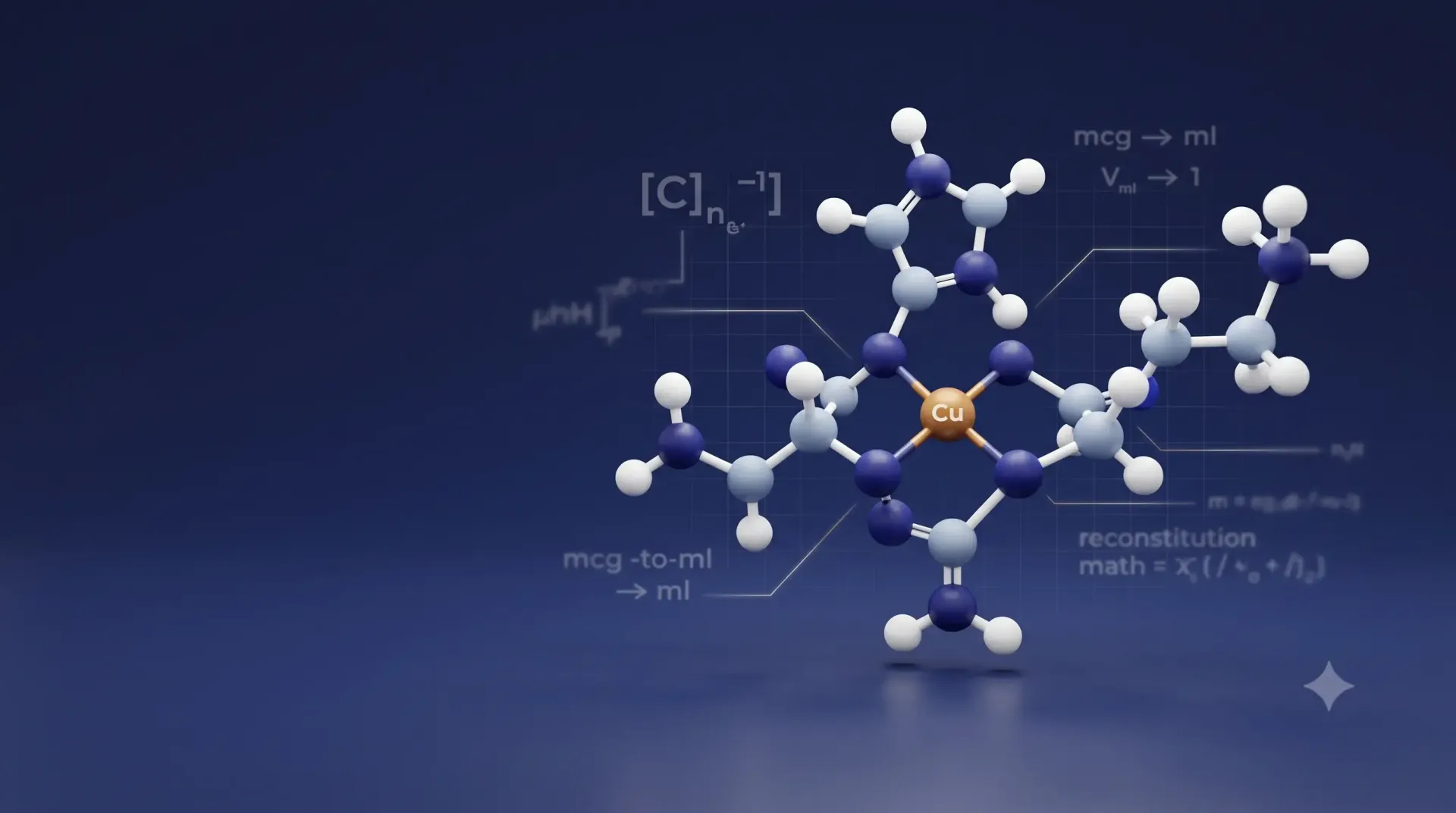
GHK-Cu runs at smaller dose ranges than most peptides, where rounding errors matter more. Enter vial size, water volume, and target dose, and the calculator returns a precise concentration and the units to draw for the copper peptide. Research and educational use only, not a dosing recommendation.
PT-141 Calculator

Reconstitute a PT-141 vial in seconds. Enter the vial size and water volume, set your target dose, and get the concentration and exact draw units back. Use it to confirm a PT-141 draw before you rely on it. It reports unit conversions only, not a dosing recommendation.
Note: Project Biohacking provides affiliate links for informational purposes only. These partner offers are not medical advice, always consult your healthcare provider before using any peptide or supplement.
Calculator Tools FAQ
What do these calculators do?
Each tool converts your vial size, bacteriostatic water volume, and target dose into the exact syringe units to draw. Some calculators also include compound-specific presets.
How does peptide reconstitution work?
Reconstitution is division. Your concentration is the peptide amount divided by the water you add, so a 5 mg vial in 2 ml of bacteriostatic water gives 2.5 mg/ml, or 2,500 mcg/ml. To find how much to draw, divide your target dose by that concentration. The calculators run this for you and show every figure, so you can verify each step.
What does "units to draw" mean on an insulin syringe?
Insulin syringes are marked in units, not milliliters. On a standard U-100 syringe, 100 units equal 1 ml, so the units to draw are simply the draw volume in milliliters multiplied by 100. A 0.1 ml draw is 10 units. The calculators convert your dose straight into that unit reading so you can measure it directly on the barrel.
Why do peptide calculators give different results?
Results differ when calculators assume different vial sizes, reconstitution volumes, or syringe types, or when they round differently. These tools show the concentration and the exact units so you can check the math against the vial size and water volume you actually used, rather than trusting a preset. More on this in our note on why peptide calculators differ. Vial labeling accuracy matters as much as the math, which is why our Limitless Biotech COA review documents lot-specific verification.
Are these calculators medical advice?
No. They are math tools for research and educational use only. They convert the values you enter into concentration and syringe units. They do not recommend a dose, diagnose anything, or replace a qualified professional. Many research peptides are not approved for human use, so independently verify every calculation and confirm your product details before relying on any result.
Affiliate Disclosure: Some links on this page are affiliate links. If you make a purchase through them, Project Biohacking may earn a commission at no extra cost to you. This helps support our free research tools, educational content, and vendor reviews. We only recommend vendors we believe meet reasonable quality and transparency standards. This page is for educational purposes only — not medical advice. Please consult a qualified healthcare provider before starting any peptide or supplement protocol.