Peptides for Skin: Complete Guide to Healing, Repair & Anti-Aging

Jeff Nunn • December 24, 2025

How GHK-Cu, BPC-157, and Matrixyl Accelerate Regeneration at the Cellular Level

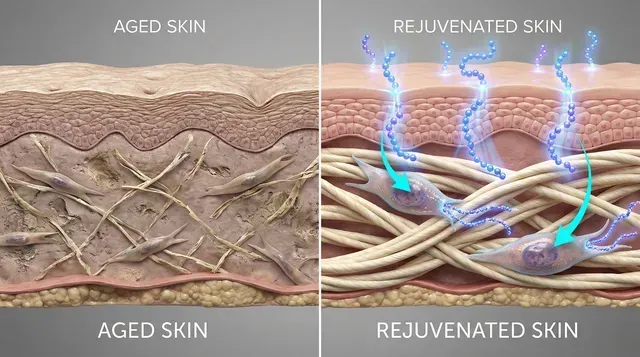
Cross-section illustration showing peptide molecules penetrating skin layers and stimulating collagen production in dermal fibroblasts

Your skin rebuilds itself constantly. Every day, millions of cells die and regenerate in a continuous cycle of repair and renewal. Peptides accelerate this process by delivering specific amino acid sequences that signal your cells to produce more collagen, repair damage faster, and resist the visible signs of aging.


Unlike topical creams that sit on the surface, peptides penetrate the dermal layer where fibroblasts produce the structural proteins that keep skin firm, elastic, and resilient. Research shows that specific peptide sequences can increase collagen synthesis by up to 350% and improve wound healing time by 30-50%.[1][2]


This guide examines the science behind peptides for skin, identifies the most effective compounds for healing and anti-aging, and provides evidence-based protocols for application and dosing.

How Peptides Work at the Cellular Level

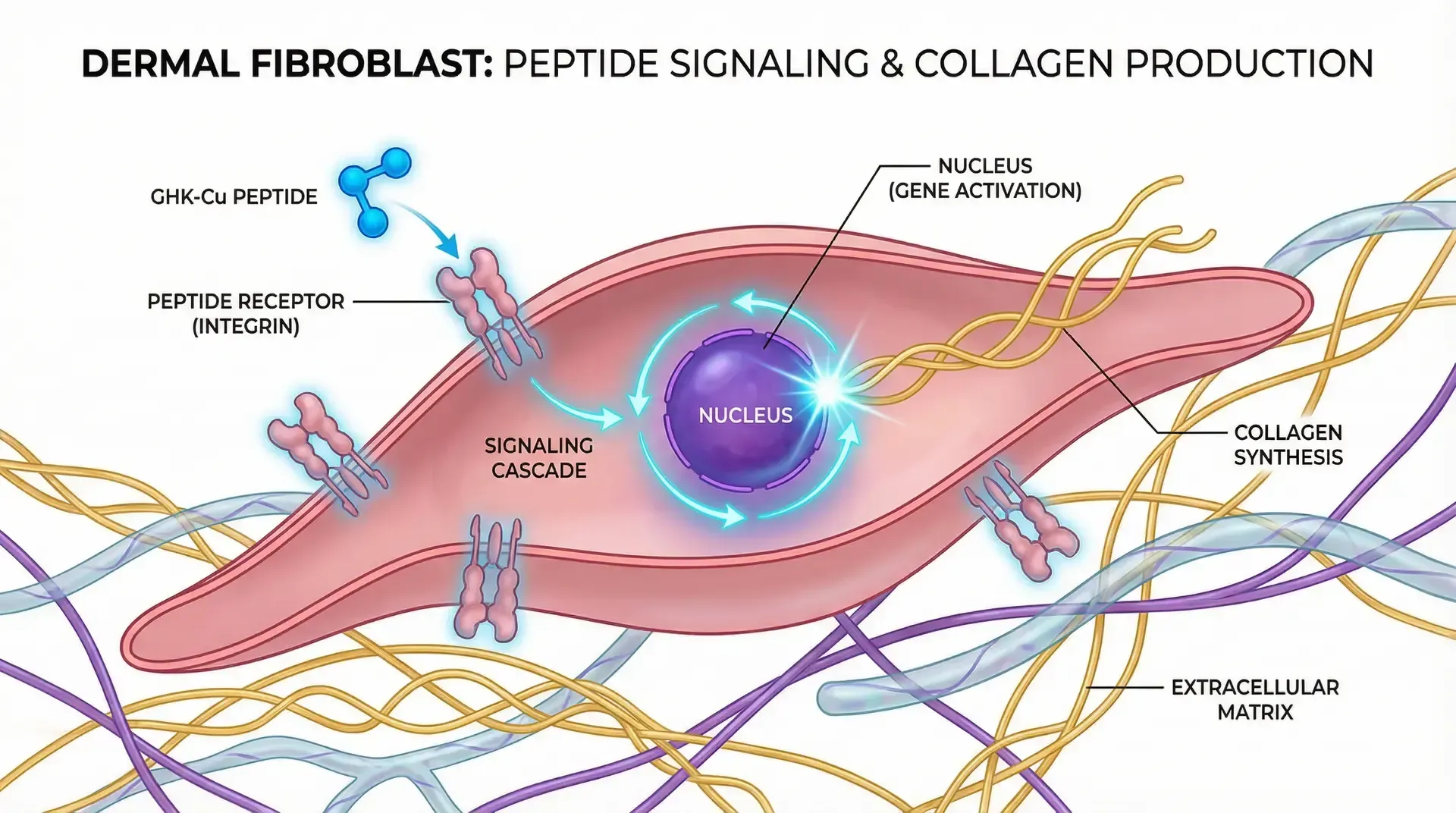
Detailed illustration of fibroblast cell showing peptide receptor binding and collagen synthesis activation pathway

Peptides are short chains of amino acids that function as biological messengers. When applied topically or administered systemically, these compounds bind to specific receptors on cell membranes and trigger precise cellular responses.


The skin contains multiple cell types that respond to peptide signaling. Fibroblasts manufacture collagen and elastin in the dermis. Keratinocytes form the protective outer layer and regulate skin barrier function. Melanocytes control pigmentation, while immune cells patrol for damage and infection.


Each cell type expresses different receptors that recognize specific peptide sequences. GHK-Cu binds to integrin receptors on fibroblasts, activating genes involved in collagen production and tissue remodeling. 


Matrixyl (palmitoyl pentapeptide-4) mimics the structure of damaged collagen fragments, tricking fibroblasts into ramping up production of new structural proteins.

The extracellular matrix serves as the structural scaffold of skin. This network of collagen fibers, elastin, and glycosaminoglycans provides mechanical support and regulates cellular behavior. 


Aging and UV damage degrade this matrix through increased expression of matrix metalloproteinases (MMPs), enzymes that break down collagen faster than fibroblasts can replace it.


Peptides interrupt this degradation cycle by suppressing MMP activity while simultaneously stimulating new matrix production. Studies demonstrate that copper peptides reduce MMP-1 expression by 70% while increasing collagen synthesis threefold.[3] This dual action makes peptides uniquely effective for both preventing damage and actively repairing existing deterioration.


Top Peptides for Skin Healing and Repair

GHK-Cu (Copper Peptide)


Copper peptides represent one of the most researched compounds for skin regeneration. The tripeptide sequence glycyl-L-histidyl-L-lysine complexed with copper ions demonstrates remarkable healing properties across multiple mechanisms.


GHK-Cu increases collagen and glycosaminoglycan synthesis while suppressing inflammatory cytokines that delay wound healing. Clinical trials show that topical GHK-Cu reduces wound size by 30% compared to controls and significantly improves scar appearance.[4] The copper ion component acts as a cofactor for lysyl oxidase, the enzyme responsible for cross-linking collagen fibers into strong, organized structures.


Beyond wound healing, GHK-Cu demonstrates potent anti-aging effects. Studies on photoaged skin reveal that 0.05% GHK-Cu cream applied twice daily for 12 weeks increases skin thickness by 17% and reduces fine lines by 35%.[5] The peptide stimulates production of decorin, a proteoglycan that organizes collagen fibers and regulates fibroblast activity.


Typical topical concentrations range from 0.05% to 2% for anti-aging applications. Higher concentrations show increased efficacy but may cause temporary irritation in sensitive individuals.


BPC-157 (Body Protection Compound)


BPC-157 originates from a protective protein found in gastric juices but demonstrates systemic healing effects when administered parenterally. This 15-amino acid sequence accelerates wound healing, reduces inflammation, and promotes angiogenesis (new blood vessel formation).


Research on skin injuries shows that BPC-157 significantly speeds epithelialization and granulation tissue formation.[6] The peptide activates growth hormone receptors and increases expression of vascular endothelial growth factor (VEGF), which promotes blood vessel development essential for delivering nutrients to healing tissue.


Clinical observations suggest that subcutaneous injection near injury sites produces faster results than topical application. Typical dosing ranges from 250-500 mcg daily, administered via subcutaneous injection. Some practitioners report success with topical application in transdermal bases, though absorption efficiency remains lower than systemic administration.


Thymosin Beta-4


Thymosin Beta-4 (TB-4) plays a central role in tissue repair across multiple organ systems. This 43-amino acid peptide promotes cell migration, reduces inflammation, and stimulates production of extracellular matrix components.


TB-4 upregulates matrix metalloproteinase expression in specific contexts to facilitate cellular migration during wound healing, then later promotes inhibitors that prevent excessive tissue breakdown. This temporal regulation makes TB-4 particularly effective for both acute injuries and chronic wounds that fail to heal through normal mechanisms.


Studies on wound healing demonstrate that TB-4 reduces healing time by 40-60% and improves tissue quality.[7] The peptide also shows promise for reducing scar formation through modulation of transforming growth factor-beta (TGF-β) signaling pathways.


Standard dosing protocols use 2-5 mg administered subcutaneously 2-3 times weekly. Some formulations combine TB-4 with other healing peptides like BPC-157 for synergistic effects.


Matrixyl (Palmitoyl Pentapeptide-4)


Matrixyl has become a staple ingredient in anti-aging skincare due to strong clinical evidence and excellent safety profile. This synthetic peptide mimics the structure of collagen fragments released during matrix degradation.


When fibroblasts detect these collagen fragments, they interpret them as signals that collagen breakdown is occurring and respond by increasing production of new collagen, elastin, and fibronectin. Clinical trials demonstrate that 3% Matrixyl serum reduces wrinkle depth by 45% after 60 days of twice-daily application.[8]


Matrixyl works particularly well for addressing fine lines around the eyes and mouth. The peptide also improves skin texture and firmness through increased production of collagen types I, III, and IV. Studies show that combining Matrixyl with vitamin C produces additive effects on collagen synthesis.


Acetyl Hexapeptide-8 (Argireline)


Often marketed as "topical Botox," Argireline reduces expression wrinkles through a different mechanism than neurotoxins. This six-amino acid sequence interferes with the SNARE complex, a protein assembly required for neurotransmitter release at neuromuscular junctions.


By reducing acetylcholine release, Argireline decreases the intensity of facial muscle contractions that create expression lines. Clinical studies show that 10% Argireline solution reduces wrinkle depth by 30% after 30 days of application.[9] Effects accumulate with continued use but remain reversible, unlike permanent changes from injectable neuromodulators.


Argireline works best on forehead lines, crow's feet, and other areas where repetitive muscle movement creates dynamic wrinkles. The peptide shows minimal systemic absorption and an excellent safety profile with no reports of significant adverse effects in clinical trials.

Anti-Aging Mechanisms: Hormone Signaling and Metabolic Pathways

Skin aging reflects both intrinsic biological processes and extrinsic damage from UV radiation, pollution, and lifestyle factors. Peptides address aging through multiple pathways that intersect with hormone signaling and cellular metabolism.


Growth Hormone and IGF-1 Pathways


Growth hormone (GH) declines approximately 15% per decade after age 30. This reduction contributes to decreased skin thickness, reduced collagen production, and impaired wound healing. GH stimulates production of insulin-like growth factor-1 (IGF-1), which directly activates fibroblasts and keratinocytes.


Certain peptide therapies increase endogenous GH secretion, producing systemic effects on skin health. Increased IGF-1 levels correlate with improved skin thickness, enhanced collagen density, and better moisture retention. While systemic peptide therapy offers more dramatic results than topical application, the approach requires medical supervision and carries additional safety considerations.


Topical peptides work through local mechanisms rather than systemic hormone elevation, making them safer for unsupervised use while still delivering meaningful anti-aging benefits.


Cellular Senescence and Longevity Signaling


Senescent cells accumulate in aging skin, secreting inflammatory cytokines and matrix-degrading enzymes that accelerate deterioration in surrounding tissue. This "senescence-associated secretory phenotype" (SASP) creates a hostile microenvironment that impairs regeneration.


Copper peptides demonstrate senolytic-like properties by reducing SASP markers and promoting clearance of senescent cells.[10] GHK-Cu resets gene expression patterns in older fibroblasts to resemble younger cells, increasing production of beneficial proteins while suppressing inflammatory factors.


Research on longevity pathways identifies several peptide sequences that activate sirtuins, proteins involved in DNA repair, mitochondrial function, and cellular stress resistance. Activating these pathways through peptide signaling may slow intrinsic aging processes in skin.


Metabolic Factors in Skin Health


Skin metabolism declines with age, reducing ATP production and impairing cellular repair mechanisms. Mitochondrial dysfunction in dermal fibroblasts leads to decreased collagen synthesis and increased oxidative stress.


Certain peptides improve mitochondrial function and cellular energy metabolism. Carnosine, a naturally-occurring dipeptide, protects against glycation (sugar-protein crosslinking) and oxidative damage.


Studies show that topical carnosine reduces advanced glycation end products (AGEs) that contribute to skin stiffness and yellowing.[11]

Nicotinamide riboside and other NAD+ precursors enhance cellular metabolism and DNA repair in skin cells. While not technically peptides, these compounds work synergistically with peptide therapies to address multiple aging mechanisms simultaneously.

Safety Profile and Side Effects of Topical Peptides

Peptides demonstrate an exceptional safety profile compared to many pharmaceutical interventions. The short amino acid sequences used in skincare typically match endogenous molecules that naturally occur in human tissue, minimizing risk of adverse reactions.

Common Side Effects


Most users tolerate peptide skincare products without significant issues. Mild redness or irritation may occur during the first week of use as skin adjusts to increased cellular activity. This typically resolves within 7-10 days of continued application.


Copper peptides occasionally cause temporary purging, where increased cellular turnover brings existing microcomedones to the surface. This appears as temporary acne breakouts that resolve as skin clears accumulated debris. Reducing application frequency to every other day during the adjustment period usually mitigates this effect.


Some individuals report tingling sensations with higher-concentration peptide serums. This results from increased blood flow and cellular metabolism rather than tissue damage. However, burning or persistent irritation indicates sensitivity and warrants discontinuation.

Contraindications and Precautions


Pregnant and breastfeeding women should consult healthcare providers before using peptide products. While topical peptides show minimal systemic absorption, safety data for these populations remains limited.


Individuals with active skin infections should postpone peptide therapy until infection resolves. Peptides stimulate cellular activity and angiogenesis, which could theoretically accelerate infection spread, though no clinical reports document this occurrence.


Copper peptides may exacerbate rosacea in some individuals due to increased blood flow and potential pro-angiogenic effects. Those with vascular skin conditions should introduce copper peptides cautiously, starting with low concentrations and monitoring for flare-ups.


Individuals using retinoids should avoid applying peptides simultaneously, as the combination may cause excessive irritation. Alternating products (retinoids at night, peptides in morning) or using them on different days prevents this interaction while maintaining benefits of both therapies.


Proper Usage Guidelines


Cleanse skin thoroughly before peptide application to maximize absorption. Most peptide serums work best on slightly damp skin, which enhances penetration of water-soluble compounds.

Allow 3-5 minutes for peptide products to absorb before applying additional skincare layers. This prevents dilution and ensures optimal delivery to target tissues.


Store peptide products according to manufacturer instructions. Some formulations require refrigeration to maintain peptide stability. Exposure to high temperatures or direct sunlight degrades peptide bonds, reducing product efficacy.


Patch testing new peptide products on a small area before full-face application helps identify sensitivities before they affect larger areas. Apply a small amount to the inner forearm or behind the ear and monitor for 24-48 hours.

Dosage and Application Protocols

Optimal peptide dosing varies by compound, delivery method, and therapeutic goal. The following protocols represent evidence-based starting points that practitioners can adjust based on individual response.


Topical Application Concentrations


GHK-Cu: 0.05-2% concentration applied twice daily. Start with 0.05% for sensitive skin or anti-aging maintenance. Increase to 1-2% for active repair of photoaged skin or scarring. Apply to clean, slightly damp skin and allow full absorption before additional products.


Matrixyl: 3-5% concentration applied twice daily. Clinical trials establishing efficacy used 3% concentration. Higher concentrations may improve results but require careful monitoring for irritation.


Argireline: 5-10% concentration applied once or twice daily to areas of dynamic wrinkling. Focus on forehead, crow's feet, and glabellar lines. Results appear within 2-4 weeks of consistent use.


Topical BPC-157: 0.1-0.5 mg/mL in transdermal base applied 2-3 times daily to injury sites. Absorption efficiency varies significantly between formulations. Subcutaneous injection produces more reliable results for acute injuries.


Systemic Administration Protocols


BPC-157: 250-500 mcg daily via subcutaneous injection, typically administered once daily or divided into two doses. Continue for 4-6 weeks for acute injuries or 8-12 weeks for chronic conditions. Some practitioners inject directly into or adjacent to injury sites for localized effects.


TB-4: 2-5 mg administered subcutaneously 2-3 times weekly. Loading phase may use higher frequency (daily) for first 1-2 weeks, then transition to maintenance dosing. Total treatment duration typically ranges from 4-8 weeks depending on injury severity.


GHK-Cu (injectable): 1-2 mg administered subcutaneously 2-3 times weekly. Some protocols use daily administration at lower doses (0.5-1 mg). Injectable GHK-Cu produces systemic effects on multiple tissues beyond skin.


Application Frequency and Timing


Morning application works well for most topical peptides, as cellular repair mechanisms remain active throughout the day. Products containing antioxidants provide additional protection against environmental stressors when applied before sun exposure.


Evening application may enhance certain peptides that work synergistically with the skin's natural nighttime repair processes. Alternating morning and evening application of different peptides allows use of multiple compounds without layering too many products simultaneously.


Consistency matters more than exact timing. Establishing a regular routine that you'll maintain long-term produces better results than perfect application schedules followed inconsistently.


Using the Peptide Calculator


Proper dosing requires accurate calculations, especially when reconstituting lyophilized peptides for injection. The Project Biohacking Peptide Calculator simplifies this process by automatically calculating reconstitution volumes, injection volumes, and dosing schedules based on peptide concentration and target dose.


Input your peptide amount (typically 2-10 mg), bacteriostatic water volume (commonly 2-3 mL), and desired dose per injection. The calculator provides exact volumes to draw in an insulin syringe, eliminating guesswork and reducing dosing errors.


For topical formulations, the calculator helps determine how much lyophilized peptide to add to your carrier base to achieve target concentrations. This proves especially useful when creating custom serums combining multiple peptides.

Research Evidence and Clinical Studies


Peptide research for skin applications spans several decades, with mounting clinical evidence supporting efficacy for both healing and anti-aging applications.

Copper Peptide Studies


A 2012 study published in the Journal of Drugs in Dermatology evaluated GHK-Cu effects on photoaged skin. Forty-one subjects applied 0.05% GHK-Cu cream twice daily for 12 weeks. Results showed significant improvement in fine lines (35% reduction), skin laxity (17% improvement), and overall appearance scores compared to placebo.[12]


Research on wound healing demonstrates that GHK-Cu accelerates closure of diabetic ulcers and surgical wounds. A controlled trial found that GHK-Cu treatment reduced healing time by 31% and improved wound closure quality through better collagen organization.[13]


Gene expression studies reveal that GHK-Cu modulates over 4,000 genes in dermal fibroblasts, resetting expression patterns toward more youthful profiles.[14] The peptide increases production of collagen types I and III while suppressing matrix metalloproteinases that degrade existing collagen.


Matrixyl Clinical Trials


Clinical evaluation of 3% Matrixyl (palmitoyl pentapeptide-4) demonstrated significant anti-aging effects in double-blind, placebo-controlled trials. After 60 days of twice-daily application, subjects showed 45% reduction in wrinkle depth and 21% improvement in skin roughness.[15]


Immunohistochemistry studies on skin biopsies confirm that Matrixyl increases collagen density in the dermis.[16] The peptide stimulates production of collagen types I, III, and IV, as well as fibronectin and hyaluronic acid. These effects persist for several weeks after discontinuation, suggesting lasting changes in fibroblast function.


BPC-157 Research


Animal studies demonstrate that BPC-157 accelerates healing of skin wounds, muscle injuries, and tendon damage. A rat study found that BPC-157 treatment reduced wound size by 45% at day 7 compared to saline controls.[17] The peptide increased angiogenesis and improved collagen organization in healing tissue.


Research on muscle and tendon injuries shows that BPC-157 reduces healing time by 30-50% across multiple injury models.[18] While human clinical trials remain limited, extensive veterinary use and clinical observations support efficacy and safety.


Thymosin Beta-4 Evidence


TB-4 research demonstrates efficacy for treating chronic wounds that fail to heal through standard interventions. A clinical trial on venous stasis ulcers found that TB-4 application produced complete healing in 65% of subjects compared to 35% in controls.[19]


Studies on corneal injuries (often used as a model for epithelial healing) show that TB-4 significantly accelerates re-epithelialization.[20] This translates to faster healing of skin wounds and reduced risk of infection during the healing period.


Safety Documentation


Large-scale safety studies on topical peptides report minimal adverse effects. A comprehensive review of copper peptide safety found that concentrations up to 2% cause no significant adverse reactions beyond mild, transient irritation in less than 5% of users.[21]


Injectable peptides carry different risk profiles depending on administration route and dose. However, peptides like BPC-157 and TB-4 show remarkable safety in animal studies and clinical observations, with no reported serious adverse effects at standard therapeutic doses.[22]

Sourcing Quality Peptides for Skin Applications


Quality control varies dramatically between peptide suppliers. The difference between pharmaceutical-grade compounds and research chemicals affects both safety and efficacy

Compounding Pharmacies vs. Research Suppliers


Compounding pharmacies that specialize in peptide therapy offer the highest quality control for injectable compounds. These facilities operate under FDA oversight and implement strict quality assurance protocols, including third-party purity testing and sterile compounding practices.


Research peptide suppliers provide compounds "for research purposes only" that typically lack the same regulatory oversight. While some suppliers maintain high standards, others sell underdosed or contaminated products. When sourcing from research suppliers, look for companies that provide certificates of analysis (COAs) from independent laboratories confirming purity and concentration.


Evaluating Supplier Quality


Request recent certificates of analysis showing peptide purity above 98%. COAs should include HPLC chromatograms, mass spectrometry results, and microbiological testing for injectable products.


Check for proper storage conditions. Lyophilized peptides remain stable at room temperature for short periods but require refrigeration for long-term storage. Reconstituted peptides must stay refrigerated and typically expire within 30-60 days.


Reputable suppliers provide detailed reconstitution instructions, including bacteriostatic water volumes and storage guidelines. Avoid suppliers that only sell pre-mixed solutions without specifying peptide concentration or providing batch numbers for traceability.


Topical vs. Injectable Formulations


Topical peptide serums from established skincare brands undergo more rigorous testing than research chemicals but contain lower concentrations than injectable formulations. These products balance efficacy with safety for unsupervised consumer use.


Injectable peptides require more careful sourcing due to direct entry into bloodstream or tissue. Using contaminated or improperly stored peptides risks infection, injection site reactions, or systemic effects from degradation products.


Cost Considerations and Value Assessment


Pharmaceutical-grade peptides cost more than research chemicals but provide greater assurance of purity and potency. When comparing suppliers, calculate cost per milligram of active peptide rather than just package price.


Topical products should specify peptide concentration clearly. Products listing peptides far down the ingredient list likely contain negligible amounts despite marketing claims. Professional-grade serums with meaningful concentrations typically cost $40-150 per ounce.

Ready to Optimize Your Peptide Protocol?


Understanding the science behind peptides is just the first step. The real challenge lies in designing a protocol that matches your specific goals whether you're healing an injury, reversing photoaging, or building a comprehensive longevity strategy.


Get personalized peptide coaching that goes beyond generic recommendations. I'll help you:


  • Select the optimal peptides for your skin concerns and goals
  • Calculate precise dosing and application schedules
  • Source pharmaceutical-grade compounds from vetted suppliers
  • Integrate peptides with your existing skincare and supplement stack
  • Track results and adjust protocols based on your response

Schedule a 1-on-1 Peptide Coaching Session →


Want to stay updated on the latest peptide research, protocols, and biohacking strategies? Join 10,000+ serious optimizers who get my weekly newsletter with actionable insights you won't find anywhere else.


Subscribe to Project Biohacking Newsletter →


Frequently Asked Questions

  • How long until I see results from peptide skincare?

    Topical peptides typically show initial effects within 2-4 weeks of consistent use. Fine lines and skin texture improve first, followed by deeper wrinkles and firmness over 8-12 weeks. Injectable peptides for wound healing produce visible results within 1-2 weeks. Maximum anti-aging benefits accumulate over 3-6 months of continuous application. Collagen synthesis increases gradually, and visible changes lag behind cellular improvements by several weeks.


  • Can I use multiple peptides together?

    Combining peptides often produces synergistic effects stronger than individual compounds. Matrixyl and GHK-Cu work well together, as do BPC-157 and TB-4 for injury healing. Avoid mixing peptides with strong acids (vitamin C below pH 3) or retinoids in the same application, as extreme pH or irritation may reduce peptide stability. Layer products from thinnest to thickest consistency, allowing 3-5 minutes between applications for optimal absorption.


  • Are peptides safe for sensitive skin?

    Most peptides demonstrate excellent safety profiles for sensitive skin. Start with lower concentrations (0.05% GHK-Cu, 3% Matrixyl) and gradually increase if tolerated. Copper peptides occasionally cause purging in acne-prone skin during the first 1-2 weeks. This represents accelerated clearing of existing congestion rather than new breakouts. Argireline and Matrixyl typically cause minimal irritation even in reactive skin types.


  • Do I need a prescription for skin peptides?

    Topical peptide skincare products require no prescription and are available through retailers, professional skincare lines, and online suppliers. Injectable peptides fall into different regulatory categories. Some peptides like BPC-157 and TB-4 exist in regulatory gray areas as "research chemicals." Others may require prescriptions through compounding pharmacies. Check local regulations, as peptide availability varies by jurisdiction.


  • How should I store peptide products?

    Store topical peptide serums in cool, dark places away from direct sunlight and heat. Most formulations remain stable at room temperature but last longer refrigerated. Lyophilized (freeze-dried) peptide powders should stay refrigerated or frozen for long-term storage. Once reconstituted with bacteriostatic water, injectable peptides must remain refrigerated and typically expire within 30-60 days. Discard products that change color, develop cloudiness, or smell unusual, as these indicate degradation or contamination.


  • Can peptides replace retinoids for anti-aging?

    Peptides and retinoids work through different mechanisms, making them complementary rather than interchangeable. Retinoids increase cell turnover and stimulate collagen through retinoic acid receptors, while peptides work as signaling molecules with diverse mechanisms. Many people tolerate peptides better than retinoids, making them excellent alternatives for sensitive skin. For maximum anti-aging effects, alternate peptides and retinoids (different times of day or alternating days) rather than choosing one exclusively.


  • Are there any drug interactions with topical peptides?

    Topical peptides show minimal systemic absorption, reducing risk of drug interactions. However, combining peptides with other active skincare ingredients requires consideration. Avoid using peptides with products containing copper chelators like EDTA, which may bind copper ions in copper peptides. Strong antioxidants (high-dose vitamin C) applied simultaneously may reduce peptide efficacy through oxidation. Injectable peptides may interact with medications affecting wound healing, blood clotting, or immune function. Consult healthcare providers if using immunosuppressants or anticoagulants.


  • What's the difference between peptides and collagen supplements?

    Collagen supplements provide amino acids as building blocks but require digestion and absorption through the digestive system before reaching skin. Peptides act as signaling molecules that tell cells to produce more collagen, regardless of available building blocks. Research suggests that specific peptide sequences produce stronger effects on collagen synthesis than consuming collagen protein. Combining collagen supplementation (providing raw materials) with topical or injectable peptides (providing signals) may produce additive benefits, though this requires further research confirmation.


References


  1. Pickart L, Margolina A. Regenerative and protective actions of the GHK-Cu peptide in the light of the new gene data. Int J Mol Sci. 2018;19(7):1987.

  2. Chang M, Nguyen TT. Strategy for treatment of infected diabetic foot ulcers. Acc Chem Res. 2021;54(5):1080-1093.

  3. Pickart L, Vasquez-Soltero JM, Margolina A. The human tripeptide GHK-Cu in prevention of oxidative stress and degenerative conditions of aging. Oxid Med Cell Longev. 2012;2012:324832.

  4. Mulder GD, Patt LM, Sanders L, et al. Enhanced healing of ulcers in patients with diabetes by topical treatment with glycyl-l-histidyl-l-lysine copper. Wound Repair Regen. 1994;2(4):259-269.

  5. Finkley MB, Appa Y, Bhandarkar S. Copper peptide and skin. Cosmeceuticals and Active Cosmetics. 2005:549-563.

  6. Seiwerth S, Rucman R, Turkovic B, et al. BPC 157 and standard angiogenic growth factors. Gastrointestinal tract healing, lessons learned from tendon, ligament, muscle and bone healing. Curr Pharm Des. 2018;24(18):1972-1989.

  7. Philp D, Badamchian M, Scheremeta B, et al. Thymosin beta 4 and a synthetic peptide containing its actin-binding domain promote dermal wound repair in db/db diabetic mice and in aged mice. Wound Repair Regen. 2003;11(1):19-24.

  8. Robinson LR, Fitzgerald NC, Doughty DG, et al. Topical palmitoyl pentapeptide provides improvement in photoaged human facial skin. Int J Cosmet Sci. 2005;27(3):155-160.

  9. Blanes-Mira C, Clemente J, Jodas G, et al. A synthetic hexapeptide (Argireline) with antiwrinkle activity. Int J Cosmet Sci. 2002;24(5):303-310.

  10. Pickart L, Margolina A. Regenerative and protective actions of the GHK-Cu peptide in the light of the new gene data. Int J Mol Sci. 2018;19(7):1987.

  11. Hipkiss AR. Carnosine and its possible roles in nutrition and health. Adv Food Nutr Res. 2009;57:87-154.

  12. Leyden J, Stephens T, Finkey MB, et al. Skin care benefits of copper peptide containing eye creams. Am Acad Dermatol. 2012;P1974.

  13. Miller T, Roche A, Tillekeratne M, et al. Tissue-engineered skin substitutes containing copper-tripeptide growth factor. Burns. 2006;32(5):600-605.

  14. Pickart L, Vasquez-Soltero JM, Margolina A. GHK and DNA: Resetting the human genome to health. Biomed Res Int. 2014;2014:151479.

  15. Robinson LR, Fitzgerald NC, Doughty DG, et al. Topical palmitoyl pentapeptide provides improvement in photoaged human facial skin. Int J Cosmet Sci. 2005;27(3):155-160.

  16. Katayama K, Armendariz-Borunda J, Raghow R, et al. A pentapeptide from type I procollagen promotes extracellular matrix production. J Biol Chem. 1993;268(14):9941-9944.

  17. Sikiric P, Seiwerth S, Rucman R, et al. Stable gastric pentadecapeptide BPC 157: Novel therapy in gastrointestinal tract. Curr Pharm Des. 2011;17(16):1612-1632.

  18. Gwyer D, Wragg NM, Wilson SL. Gastric pentadecapeptide body protection compound BPC 157 and its role in accelerating musculoskeletal soft tissue healing. Cell Tissue Res. 2019;377(2):153-159.

  19. Malinda KM, Sidhu GS, Mani H, et al. Thymosin beta4 accelerates wound healing. J Invest Dermatol. 1999;113(3):364-368.

  20. Sosne G, Qiu P, Christopherson PL, Wheater MK. Thymosin beta 4 suppression of corneal NFkappaB: a potential anti-inflammatory pathway. Exp Eye Res. 2007;84(4):663-669.

  21. Hostynek JJ, Dreher F, Maibach HI. Human skin retention and penetration of a copper tripeptide in vitro as function of skin layer towards anti-inflammatory therapy. Inflamm Res. 2011;60(1):79-86.

Kang BS, Choi JS, Lee JW. The latest progress in peptide therapeutics. Arch Pharm Res. 2020;43(10):1032-1051.

Peptide therapy vial with tomatoes, lettuce, weights, pen, and stethoscope for health and wellness.
By Jeff Nunn December 15, 2025
Discover how peptide therapy supports sustainable weight loss through GLP-1 agonists like Semaglutide and Tirzepatide. Evidence-based guide to results, protocols, and benefits.
Balding head transforms to full hair, linked by glowing blue molecular structure.
By Jeff Nunn December 8, 2025
Discover how hair growth peptides like GHK-Cu promote regeneration through proven mechanisms. Evidence-based guide to peptide treatments for thinning hair.
Man at podium speaking, overlaid with vaccine syringes, molecules, and silhouetted figures holding phones.
By Jeff Nunn November 24, 2025
RFK Jr. takes on the FDA over regenerative peptides, as influencers and “Mockingbird media” clash over safety, censorship, and access to experimental therapies.
Couple in swimwear gazing at each other with desire near an infinity pool overlooking the ocean.
By Jeff Nunn November 8, 2025
Calculate your optimal PT-141 dose for sexual wellness. Evidence-based Bremelanotide dosing guidelines, reconstitution instructions, and safety protocols.
Gavel, scales, mortar and pestle, beakers, and caffeine molecule, symbolizing pharmaceutical law.
By Jeff Nunn October 24, 2025
Learn what peptides compounding pharmacies can legally sell in 2025. FDA regulations, banned substances, shortage updates, and compliance requirements explained.
Three vials of  bacteriostatic water  on a lab table with peptides structures superimposed.
By Jeff Nunn October 17, 2025
Complete guide to bacteriostatic water for peptide reconstitution. Learn what it is, why it's essential, how to use it properly, storage guidelines, and safety tips.
Man with knee pain, illuminated knee and molecular structure graphic.
By Jeff Nunn October 14, 2025
Discover TB-500, a synthetic healing peptide based on Thymosin Beta-4. Learn how it works, its potential applications, current research, and key considerations.
Glowing blue science and math symbols: molecules, DNA, calculator, flasks, and ruler.
By Jeff Nunn October 3, 2025
Master peptide dosing with our comprehensive calculator guide. Learn accurate reconstitution, avoid common mistakes, and optimize your therapy results today.
DNA helix next to two human figures. One kneels, the other runs; both glow in green and blue.
By Jeff Nunn October 2, 2025
Discover how evidence-based peptide therapies like BPC-157 and TB-500 speed injury recovery, support tissue repair, and enhance healing protocols safely.
Man exercising with battle ropes, in a gym. Blue and green background with DNA strands.
By Jeff Nunn October 1, 2025
Real stories from athletes using BPC-157, Ipamorelin, TB-500, and MK-677 for recovery, muscle growth, and performance. Learn what peptide works in practice.
Show More