About the Author:
Jeff Nunn is the founder of Project Biohacking. With over 30 years of biohacking practice, he applies decades of self-experimentation methodology to peptide research, dosing math, and vendor evaluation.

What vendors mean and why it exists
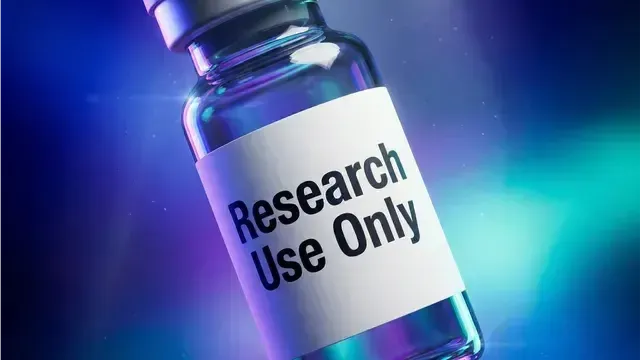
When you see "research only" on a peptide label, it's a compliance designation. It tells you the product hasn't been approved for human consumption and is sold exclusively for laboratory or investigational purposes. This language appears on vials, packaging, and vendor websites to clarify the legal status of the compound.
The term doesn't describe the quality of the peptide. A research-only peptide can be identical in purity and composition to one approved for clinical use. The difference lies in regulatory approval, not molecular structure.
Vendors use this label because most peptides sold outside prescription channels fall into a regulatory gray area. They aren't classified as drugs, supplements, or food products. Labeling them as research-only helps sellers comply with regulations that prohibit marketing unapproved substances for human use. Research-use labeling matters most for potent, unapproved compounds, which is exactly the frame our guide to buying vasoactive intestinal peptide for research applies to VIP sourcing and quality checks.
“Research only” on a peptide vial is a regulatory designation, not a comment on purity. A research only peptide can be 99%+ pure yet still carry the disclaimer because it has not gone through full FDA approval for human use. When evaluating a supplier, look for one that clearly labels and documents its research peptides.
The U.S. Food and Drug Administration classifies most peptides as unapproved new drugs when they are intended for human therapeutic use. In warning letters to peptide sellers, the FDA has made clear that a "research use only" or "not for human consumption" disclaimer does not change this: if a product's marketing implies a therapeutic benefit, the agency still treats it as a drug intended for human use.
Under Sections 503A and 503B of the Federal Food, Drug, and Cosmetic Act, a compounding pharmacy may only use a bulk drug substance that complies with a USP or NF monograph, is a component of an FDA-approved drug, or appears on the FDA's 503A bulks list. The FDA sorts nominated substances into two groups: it applies enforcement discretion for "Category 1" substances, and it has said it would consider enforcement action against "Category 2" substances, which it considers to present significant safety risks or to lack sufficient safety data. This list changes: in April 2026 the FDA removed twelve peptides, including BPC-157, MOTS-C, epitalon, and TB-500, from the Category 2 list and scheduled Pharmacy Compounding Advisory Committee meetings to reconsider others, though removal from Category 2 does not by itself make a peptide eligible for compounding. Because the status of any given peptide can change, check it against the current FDA list rather than assuming.
This regulatory framework forces vendors to label products as research only to stay compliant. The disclaimer protects both the seller and the buyer by clearly stating the product is not FDA-approved for human use. It is a legal boundary, not a reflection of purity or manufacturing standards. Understanding these FDA regulations and pharmacy compounding rules helps biohackers make informed sourcing decisions in the current landscape.
Peptides are short chains of protein building blocks that play critical roles in the human body, influencing hormone signaling, tissue repair, immune function, and metabolic health. In medicine and therapy research, scientists study these molecules in controlled experiments to explore potential applications for conditions ranging from inflammation to age-related decline.
However, because most peptides have not completed the full FDA approval process including large-scale clinical trials on patients they remain in the investigational stage. The “research only” label ensures that any human experimentation occurs only under proper protocols and informed consent. This distinction is vital for health professionals, researchers, and individuals exploring self-directed experiments in the biohacking space.
Safety and quality are separate from the “research only” designation. A product carrying the label can still meet high manufacturing standards including Good Manufacturing Practices (GMP), third-party testing, and detailed Certificates of Analysis if the vendor chooses to invest in them.
Responsible research demands rigorous methodology: sequence verification, purity testing (>99%), sterility checks, and proper risk management protocols. Efficacy claims, however, cannot be made for unapproved peptides. The label simply communicates that the product has not been evaluated by the FDA for safety or effectiveness in humans. Biohackers who prioritize safety and quality always verify vendor testing data rather than assuming the disclaimer implies low standards.
Regulatory frameworks in most countries require clear boundaries between approved therapeutics and experimental compounds. In the United States, the FDA distinguishes between drugs that have undergone clinical trials and substances sold for research purposes. Similar rules exist in Europe, Canada, and Australia.
Without approval, a company cannot legally market a peptide for human consumption. Doing so would classify the product as an unapproved drug, which carries legal consequences. Research-only labeling creates a layer of protection for vendors by signaling that the product is not intended for personal use.
This system also protects consumers in theory. It establishes a formal distinction between investigational compounds and approved treatments, even if the practical enforcement of that distinction varies.
The labeling exists because peptide synthesis is relatively accessible, but regulatory approval is not. Getting a peptide approved as a therapeutic requires clinical trials, safety data, and regulatory submissions that cost millions. Most peptides available online lack this level of validation.
Understanding the “research only” language helps biohackers make informed sourcing decisions. Many vendors operate strictly within this framework while providing third-party testing, which is what separates a documented source from an unverified one.
Compounding pharmacies operate under strict FDA oversight via Sections 503A and 503B. Many popular peptides sit on the FDA’s Category 2 bulk drug substances list, meaning they cannot be routinely compounded for human use due to safety concerns or insufficient clinical data.
This forces most vendors to sell peptides strictly as research only. The designation is not about manufacturing quality, it is a legal compliance boundary. Vendors who follow proper methodology still provide high-purity products with third-party testing and Certificates of Analysis. Understanding these pharmacy and regulation rules helps you evaluate suppliers responsibly in the current environment.
Research only peptides are intended for laboratory experiments and scientific investigation. In controlled settings, researchers examine how these short protein chains interact with receptors in the human body, influencing pathways related to repair, inflammation, metabolism, and recovery. For the fundamentals of how those signals operate at the cellular level, see our primer on how cellular peptides signal inside cells.
Methodology matters: sequence verification, purity assays (>99%), sterility, and stability testing are standard in high-quality research. While some peptides have extensive published data, they remain unapproved for therapy or patient use. Any self-directed experiment carries risk management responsibilities such as track results carefully, document variables, and consult qualified professionals where appropriate. The label protects everyone by keeping expectations aligned with investigational status.
One frequent misunderstanding is that research-only means low quality. Some buyers assume the label implies inferior manufacturing or contamination. In reality, many research-only peptides are produced in facilities that follow Good Manufacturing Practice standards. The label reflects legal status, not production rigor. The same gaps that make "research only" labels misleading also shape overdose risks with unapproved research peptides, where unknown strength and purity make a safe dose impossible to verify.
Quality and compliance are separate issues. Even with a clear “research only” disclaimer, third-party testing remains essential. For a deeper look at what testing actually verifies, read our guide on Third-Party Testing for Research Peptides.
Another confusion involves the idea that research-only is simply a legal loophole. While it does offer some protection for vendors, it's not a workaround that makes unsupported health claims permissible. Sellers who advertise research-only peptides with promises about specific outcomes still risk regulatory action.
Some people believe that buying a research-only peptide for personal experimentation is illegal. The truth is more nuanced. Purchasing these compounds is generally legal in most jurisdictions, but using them without medical supervision can create liability and health risks. The research-only label doesn't grant permission for self-administration.
There's also a misconception that all research-only peptides are experimental or untested. Some compounds sold under this label have decades of published research and are well-characterized in scientific literature. The research-only designation doesn't mean the peptide is obscure or unstudied.
Finally, buyers sometimes assume that research-only language is uniform across vendors. Different companies interpret compliance differently. Some provide detailed disclaimers, while others use minimal text. The absence of standardized phrasing can lead to confusion about what the label actually guarantees.
We believe clarity around compliance language helps you make informed decisions. Understanding why vendors use terms like "research only" lets you navigate the market with realistic expectations. Part of that clarity involves understanding how research peptides differ from dietary supplements, our guide to peptide therapy vs supplements explains the regulatory and functional distinctions. It doesn't replace medical advice, but it does reduce confusion about what you're buying and why it's labeled the way it is.
When evaluating research only peptides, the focus should remain on verifiable results from independent lab testing rather than marketing language. Peptides function as precise signaling molecules in the human body, interacting with specific receptors to influence protein pathways, inflammation, and recovery.
For those conducting personal experiments or supporting patient outcomes in clinical settings, the “research only” framework underscores the importance of transparency. Always prioritize vendors who provide full documentation on protein purity, stability, and third-party verification. This approach supports responsible exploration of health optimization while staying aligned with current FDA and pharmacy regulations.
The “research only” label exists to maintain compliance in a complex landscape of FDA regulation, pharmacy rules, and evolving law around compounded and investigational peptides. The political forces reshaping that landscape are covered in our analysis of RFK Jr.'s peptide war with the FDA. By understanding its true meaning, a regulatory safeguard rather than a quality statement, biohackers can source research peptides responsibly from transparent vendors.
The research-only label tells you how a product is sold, not how well it was made, so a supplier's own documentation is what separates one vial from another. The directory of vendors we review links to our assessment of each company's testing.
Additional reading:
What Are Peptides.
No, it reflects legal status rather than manufacturing quality, and many research-only peptides meet high production standards.
Purchasing them is generally legal in most jurisdictions, though using them without medical oversight carries liability and health risks.
To comply with regulations that prohibit marketing unapproved substances for human use and to avoid classification as unapproved drugs.
No, some have extensive published research and are well-characterized in scientific literature despite the compliance label.
No, advertising specific health outcomes for research-only peptides can still trigger regulatory action regardless of the label.
Sources
- U.S. Food & Drug Administration — Bulk Drug Substances Used in Compounding Under Section 503A of the FD&C Act.
- U.S. Food & Drug Administration — Certain Bulk Drug Substances for Use in Compounding That May Present Significant Safety Risks (Category 2 list).
- U.S. Food & Drug Administration — Warning Letter, USApeptide.com (February 26, 2025).
- U.S. Food & Drug Administration — Pharmacy Compounding Advisory Committee Meeting, July 23–24, 2026.
- Frier Levitt — FDA Peptide Update 2026: Removal from the "Do Not Compound" List (April 2026).
This content is for research and educational purposes only and is not medical or legal advice.

About the Author:
Jeff Nunn is the founder of Project Biohacking. With over 30 years of biohacking practice, he applies decades of self-experimentation methodology to peptide research, dosing math, and vendor evaluation.
Important Disclaimer: The content on Project Biohacking is for educational and informational purposes only and is not intended as medical advice, diagnosis, or treatment. Always consult a qualified healthcare professional before making any changes to your health regimen, starting new supplements, peptides, or protocols. Nothing on this site establishes a doctor–patient relationship, and you use the information at your own risk. Research compounds discussed here are sold for laboratory research purposes only and are not approved for human or veterinary use or consumption.
“For educational use only. Not medical advice. Read our full disclaimer.”
+1 214-278-4039
All Rights Reserved | Project Biohacking