About the Author:
Jeff Nunn is the founder of Project Biohacking. With over 30 years of biohacking practice, he applies decades of self-experimentation methodology to peptide research, dosing math, and vendor evaluation.

Peptides for Hair Growth: Science-Backed Solutions for Hair Regeneration
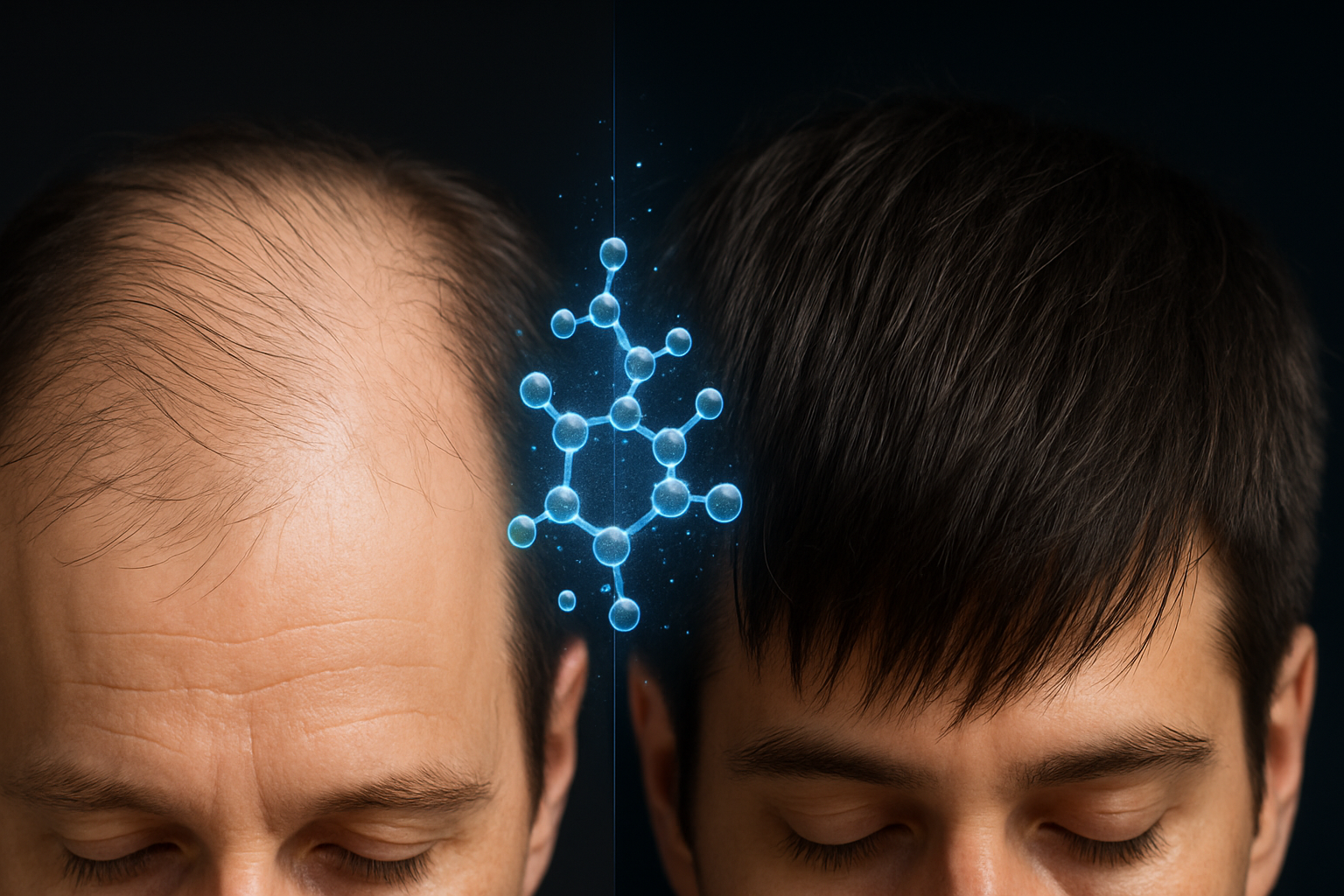
Hair loss affects millions of people worldwide, and the search for effective treatments has led researchers to explore peptide therapy as a promising solution. These small chains of amino acids are showing real potential in clinical studies, offering hope to those experiencing thinning hair or pattern baldness.
Understanding how peptides work at the cellular level can help you make informed decisions about incorporating them into your hair restoration strategy. This guide examines the science behind peptide-based treatments, their mechanisms of action, and what current research tells us about their effectiveness.
Peptides are short chains of amino acids, which are the building blocks of proteins. In the context of health and beauty, peptides work as signaling molecules that tell cells how to function. Their small size allows them to penetrate the skin and scalp more easily, making them especially valuable in topical treatments aimed at revitalizing hair follicles and promoting growth.
Certain peptides have been found to stimulate blood flow to the scalp, improve follicle health, and even extend the hair growth cycle. By communicating with hair follicle cells, these peptides can encourage the development of thicker, healthier strands over time.
Unlike some harsh chemical treatments, peptides offer a science-backed and gentle approach to supporting hair regrowth. They provide targeted action without irritating the scalp, making them a smart choice for individuals looking to improve hair density and overall scalp health.
Hair growth occurs in a natural cycle with three key phases: anagen (growth), catagen (transition), and telogen (resting). At any given time, about 90% of your hair follicles are in the anagen phase, actively producing new hair shafts. The length and health of this phase are critical to achieving full, thick hair.
Your hair goes through a natural cycle that includes growth (anagen), rest (telogen), and shedding (catagen). Among these, the anagen phase is where the magic happens—this is the period when your hair actively grows.
The anagen phase is the first and most important stage of the hair growth cycle. During this phase, hair follicles are fully engaged in producing healthy new strands. This phase can last anywhere from 2 to 7 years, depending on your genetics, age, and overall health.
Most hair-growth peptides work by extending the anagen phase, allowing your hair to grow thicker, longer, and stronger. By lengthening this phase, these peptides give hair follicles more time to create resilient and healthy strands before transitioning to the next stages of the cycle.
Multiple factors can influence how well and how fast your hair grows, including genetics, age, hormone levels, nutrition, and overall health. Stress, environmental damage, and certain medical conditions can also disrupt the natural hair cycle, leading to thinning or hair loss.
Peptides are short chains of amino acids that act as messengers for various cellular processes. Certain peptides can signal hair follicles to enter or extend the anagen phase, encouraging healthier, faster hair growth. These bioactive compounds have become increasingly popular in both clinical and over-the-counter hair treatments because of their ability to promote follicle activity and improve scalp health.
By supporting the biological processes that drive hair growth, peptides offer a promising option for those looking to restore thickness and vitality to their hair naturally and effectively.
Peptides are short chains of amino acids that serve as building blocks for proteins, including keratin—the main component of hair. Certain types of peptides, especially copper peptides and biomimetic peptides, have been shown to play a vital role in supporting hair follicle health and promoting growth.
Your hair follicles go through natural growth cycles, which include growth (anagen), rest (telogen), and shedding (catagen) phases. Peptides can help prolong the growth phase by strengthening hair shafts, increasing blood circulation to the scalp, and stimulating the production of growth factors in the follicle cells.
Clinical studies have demonstrated that topical application of specific peptides—such as Copper Tripeptide-1—can lead to thicker, fuller hair over time. These peptides activate genes associated with hair growth and are often included in advanced hair loss treatments and serums.
With consistent use of peptide-based hair products, users may begin to notice reduced shedding, improved scalp health, and the emergence of stronger, healthier strands. While individual results may vary, peptides offer a promising and science-backed approach to combatting hair thinning and encouraging regrowth naturally.
One such peptide gaining attention in hair restoration research is GHK-Cu (Copper Tripeptide-1). This naturally occurring compound supports hair regeneration by increasing blood flow to the scalp, reducing inflammation, and stimulating the production of key growth factors such as VEGF (vascular endothelial growth factor), which can help revive dormant follicles.
The most researched and effective peptide for promoting hair growth is Copper Peptide (GHK-Cu). Known for its anti-inflammatory and wound-healing properties, GHK-Cu supports scalp health while increasing the size and strength of hair follicles.
Copper peptides, such as GHK-Cu, are well-known for their anti-inflammatory and tissue-repair properties. These peptides can help revitalize dormant follicles and support the scalp's natural healing process. For the full research breakdown on mechanisms, dosing, and anti-aging applications, see our complete GHK-Cu peptide guide.
Another promising compound is Biotinoyl Tripeptide-1, often found in topical serums. This peptide helps anchor the hair more securely to the scalp and encourages stronger, thicker hair over time.
Specific peptides, such as Copper Peptides (GHK-Cu) and Acetyl Tetrapeptide-3, have shown promising results in increasing hair density over time. These peptides work at the cellular level to stimulate blood flow, reduce inflammation, and extend the hair's growth phase.
Biomimetic peptides are another class designed to imitate the body's natural proteins. These may encourage longer hair growth cycles and reduce shedding, which is especially helpful for women experiencing diffuse thinning.
Recent studies have shown that peptide-based treatments can significantly improve hair density and scalp health when used consistently. Unlike some pharmaceutical alternatives, peptides often present fewer side effects, making them a popular choice for individuals seeking a science-backed, gentle approach to hair regeneration.
The relationship between the cardiovascular system and hair growth is more connected than it may appear. A strong cardiovascular system ensures efficient blood circulation, delivering oxygen and essential nutrients to hair follicles. This nourishment is vital for maintaining healthy hair growth.
Hair growth peptides, such as GHK-Cu and copper peptides, may promote vasodilation—the widening of blood vessels. Improved blood flow can directly benefit areas affected by thinning hair by stimulating dormant hair follicles and encouraging the growth phase of the hair cycle.
Certain peptides can also stimulate the production of nitric oxide, a molecule that relaxes blood vessels and enhances circulation throughout the scalp. When blood flow increases, so does the delivery of key nutrients that support stronger, thicker hair strands.
Supporting the cardiovascular system is essential when using peptides for hair regrowth. Whether through direct application or systemic effects, peptides work best in a body with good blood flow. Combining them with a heart-healthy lifestyle may improve their efficacy and support overall wellness.
Hormones play a critical role in regulating the hair growth cycle. Imbalances in hormones such as testosterone, dihydrotestosterone (DHT), and estrogen can lead to thinning hair or even hair loss. Understanding how these hormones interact with hair follicles is essential to identifying effective treatments, including peptide-based therapies.
Dihydrotestosterone (DHT) is a derivative of testosterone that has been strongly linked to androgenetic alopecia—commonly known as male or female pattern baldness. High levels of DHT can shrink hair follicles, shortening the growth phase and eventually stopping hair production altogether.
Certain peptides, including Copper Peptides and GHK-Cu, may help neutralize the negative effects of DHT on hair follicles. These peptides have shown promise in promoting new hair growth by improving follicle health, reducing inflammation, and possibly modulating the local hormonal environment.
If you suspect that your hair loss is related to hormonal changes, it's important to consult a healthcare professional. They can evaluate hormone levels through lab tests and help determine if peptide therapy may be an appropriate addition to your hair restoration plan.
Stress isn't just a mental burden—it can take a visible toll on your body, particularly your hair. When you're under prolonged or intense stress, your body produces higher levels of cortisol and other stress hormones. These hormones can disrupt the natural hair growth cycle, pushing more hair follicles into the resting (telogen) phase and leading to increased shedding or thinning—a condition known as telogen effluvium.
Ongoing stress may also affect the hair follicle's ability to regenerate, impairing the scalp environment and making it harder for new, healthy hairs to grow. Additionally, inflammation triggered by stress weakens the follicles, paving the way for more serious or permanent hair thinning over time.
Copper peptides and other bioactive peptides have shown promise in promoting follicle health and stimulating the growth phase of the hair cycle. They work by improving blood circulation to the scalp, supporting collagen production, and reducing inflammation caused by stress responses.
When used consistently, peptide-based treatments may help restore balance to the scalp and strengthen hair strands, even in individuals dealing with stress-induced hair loss. While they can't eliminate stress itself, peptides support a healthier scalp environment that's more resilient to its effects.
Hair density refers to the number of hair strands per square inch on your scalp. For many, it's a key factor in achieving a fuller, healthier look. Thinning hair or widening parts can significantly affect confidence, which is why boosting hair density is often a top priority when addressing hair loss.
The result? More follicles stay active, and more strands grow thicker and closer together.
Increasing hair density with peptides isn't an overnight process. Visible results typically emerge after several weeks of regular application. Peptide-based serums or treatments should be applied consistently, as directed, to see meaningful improvements in scalp coverage and hair fullness. Combined with healthy lifestyle choices and proper scalp care, peptides can be a powerful ally in your journey to thicker, denser hair.
Male pattern baldness is a common condition affecting millions of men worldwide. Caused by genetics, hormonal changes, and aging, it often leads to thinning hair or complete hair loss at the crown and hairline. For many men, this can impact confidence and self-image.
Hair growth peptides are short chains of amino acids that communicate with your body's cells to stimulate hair follicle repair and regeneration. These peptides work by improving blood flow, boosting collagen production, and revitalizing hair follicles that have become dormant.
While peptides are not an overnight solution, consistent application—typically daily or a few times a week—can lead to visible results over several months. Many men experience reduced hair shedding, thicker hair, and even new hair growth in areas that had begun to thin.
Peptide-based serums or topical treatments are easy to use and are often combined with other hair-supporting ingredients like caffeine, niacinamide, or minoxidil. Talk to a medical professional or dermatologist to find the best product based on your specific needs and scalp condition.
With the right peptide treatment and regimen, men can take proactive steps toward restoring a fuller, healthier head of hair.
Hair thinning and loss in women can be emotionally challenging, impacting not only appearance but confidence as well. Whether due to hormonal changes, stress, genetics, or aging, many women are seeking gentle yet effective solutions. Peptides, small chains of amino acids, are emerging as a promising, science-backed option for encouraging healthier, fuller hair growth.
Peptides work by signaling to the scalp and hair follicles to stimulate activity. Certain peptides mimic natural growth factors, helping to improve follicle health, increase blood circulation, and reduce inflammation—all of which are beneficial for promoting hair regrowth in women.
When selecting a peptide-based hair product, make sure it's specifically formulated for female hair loss. Look for treatments that are free of harsh chemicals and are designed to support overall scalp health. Many serums and topical solutions combine peptides with nourishing ingredients like vitamins, plant extracts, and caffeine to enhance effectiveness.
Peptides are not overnight miracles, but with consistent use, many women report noticeable improvements in hair texture, density, and overall vitality within a few months. As always, it's a good idea to consult with a dermatologist or trichologist to find a treatment plan tailored to your unique hair needs.
The composition of the peptide, including the active ingredients and delivery mechanism, plays a major role in its performance. Peptides like Copper Peptides and Myristoyl Pentapeptide-17 are commonly used, but their effectiveness depends heavily on how they are formulated into serums or topical treatments.
A healthy scalp provides an optimal environment for peptides to function. Conditions like inflammation, clogged follicles, or infections can hinder absorption and reduce results. Using peptides in conjunction with scalp care routines can significantly improve efficacy.
Peptides are not a one-time miracle solution. Regular, consistent application is essential for noticeable hair growth. Many users see results within 8 to 12 weeks with daily or twice-daily use, depending on the product instructions.
Each person's hair grows at a different rate, impacted by genetics, age, and hormonal levels. Peptides primarily support the anagen (growth) phase of the hair cycle, so individual outcomes may vary based on where hair follicles are in the cycle during treatment.
Peptides often show enhanced results when used alongside other hair growth therapies like minoxidil, microneedling, or low-level laser therapy. These combinations can improve absorption and stimulate follicle activity more effectively.
Understanding these factors can help users set realistic expectations and get the most benefit from peptide-based hair growth treatments.
Using the right peptide for hair growth is just the beginning—consistent application is essential for visible results. Follow the usage instructions precisely and allow time for the peptide to work at the follicular level.
Opt for sulfate-free shampoos and conditioners that won't strip the scalp of natural oils or disrupt peptide absorption. Look for formulas designed for sensitive or thinning hair to support a healthy scalp environment.
A nourished scalp is the foundation for healthy hair growth. Gently massage your scalp to improve circulation, and consider exfoliating treatments to remove buildup that can hinder peptide penetration.
Frequent use of styling tools and chemical treatments can counteract the benefits of peptides. Limit blow-drying, flat ironing, and chemical dyes to preserve hair shaft strength and promote regrowth.
Healthy hair starts with proper nutrition. Ensure your diet includes protein, biotin, iron, and omega-3 fatty acids to support strong, resilient strands and enhance peptide effectiveness.
While peptides offer promising benefits for hair regeneration, achieving optimal results requires a personalized approach that considers your unique biology, lifestyle, and health optimization goals. Generic protocols often fall short because hair loss involves complex interactions between hormones, inflammation, circulation, and nutrient status.
Project Biohacking's Executive Optimization Concierge Coaching provides you with expert guidance to design and implement a comprehensive hair restoration strategy tailored specifically to your needs. Our coaching program goes beyond basic peptide recommendations to address:
Whether you're dealing with early thinning or advanced hair loss, our coaching provides the accountability, expertise, and personalized protocols that transform generic advice into real results.
Stop guessing with your hair restoration strategy. Work with experts who understand the biochemistry, have access to cutting-edge compounds, and know how to create protocols that actually work.
Schedule Your Strategy Session →
Copper peptide GHK-Cu demonstrates the most extensive research support for promoting hair regrowth. Clinical studies have documented its ability to increase hair density, thickness, and follicle size through multiple mechanisms including enhanced blood flow, growth factor stimulation, and anti-inflammatory effects. However, effectiveness varies among individuals based on their specific type of hair loss and genetic factors.
Most users begin noticing reduced shedding within 4 to 8 weeks of consistent application. Visible improvements in hair density typically appear around the 12 to 16 week mark, with continued enhancement through 6 to 12 months of ongoing use. Patience and persistence are essential for achieving optimal results.
Peptides work best on areas with miniaturized follicles rather than complete baldness. Once follicles have been dormant for several years, their ability to produce terminal hairs diminishes significantly. Earlier intervention generally produces superior outcomes compared to treating long-standing hair loss.
Peptide treatments generally cause minimal side effects. Some individuals experience mild, temporary scalp irritation including redness, itching, or flaking during the initial adjustment period. These reactions typically resolve within 1 to 2 weeks. Serious side effects remain rare with properly formulated topical peptide products.
Hair growth peptides require ongoing use to maintain benefits. Hair loss conditions like androgenetic alopecia continue progressing without treatment, so discontinuing peptides typically results in gradual return to baseline over several months. Most individuals incorporate them into long-term hair care routines alongside other supportive practices.
Yes, the same peptides work for both men and women, though application strategies may differ based on hair loss patterns. Women experience more diffuse thinning requiring broader application areas, while men often concentrate treatment on specific regions. Some products are formulated specifically for female hair loss, incorporating additional ingredients that address hormonal influences more prominent in women.
Peptides generally combine safely with other hair restoration approaches. Many individuals use them alongside minoxidil, finasteride, or microneedling without problems. The different mechanisms of action can produce complementary effects. However, introduce new treatments sequentially rather than simultaneously to identify which interventions provide the most benefit.

About the Author:
Jeff Nunn is the founder of Project Biohacking. With over 30 years of biohacking practice, he applies decades of self-experimentation methodology to peptide research, dosing math, and vendor evaluation.
Important Disclaimer: The content on Project Biohacking is for educational and informational purposes only and is not intended as medical advice, diagnosis, or treatment. Always consult a qualified healthcare professional before making any changes to your health regimen, starting new supplements, peptides, or protocols. Nothing on this site establishes a doctor–patient relationship, and you use the information at your own risk. Research compounds discussed here are sold for laboratory research purposes only and are not approved for human or veterinary use or consumption.
“For educational use only. Not medical advice. Read our full disclaimer.”
+1 214-278-4039
All Rights Reserved | Project Biohacking