
About the Author:
Jeff Nunn is the founder of Project Biohacking. With over 30 years of biohacking practice, he applies decades of self-experimentation methodology to peptide research, dosing math, and vendor evaluation.
How Semax, Selank, Dihexa, Cerebrolysin, and Pinealon stack up across cognition, attention, and mental performance research
Mental focus is rarely a single problem. It sits at the intersection of mood, motivation, memory, and the slow pressure that stress puts on the brain. For readers exploring research peptides as cognitive tools, the meaningful question is not which peptide is strongest, but which mechanism, evidence base, and safety profile fits a specific use case.
This guide compares the most frequently studied peptides associated with mental focus and cognition. Each compound is presented with its proposed mechanism, the available research, and the practical limits of what current science can support. None of this is medical advice or a substitute for professional guidance.
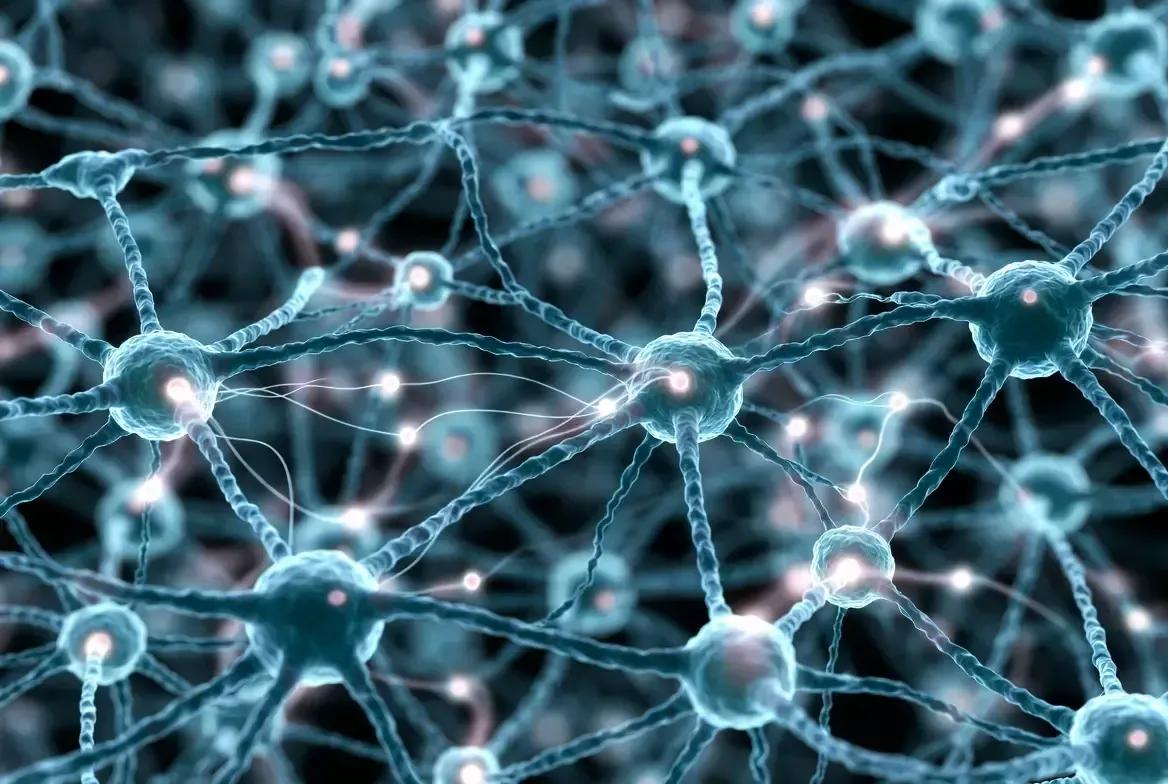
The brain runs on signaling between neurons. Communication moves through neurotransmitters such as dopamine, serotonin, acetylcholine, and norepinephrine, flowing across the synapse and along defined neural pathways. Mood, attention, memory, and learning emerge from the balance of these systems, along with the health of supporting cells across the nervous system.
Stress, disrupted sleep, hormone shifts, inflammation, and oxidative stress can damage this signaling architecture. Over time, the result ranges from mild fatigue and reduced focus to a higher risk of mental disorders, dementia, and Alzheimer's disease. Peptides, which are short chains of amino acids classified as biomolecules, have drawn research interest because they can interact with these systems with relative specificity. Cognitive support is one slice of a much wider landscape; for how peptides are studied across muscle, immunity, sleep, hormones, and skin, see our guide to what peptide support means across the body. Some support neurogenesis through brain-derived neurotrophic factor. Others modulate neurotransmitter regulation, calm an overactive immune system response, or reinforce antioxidant defense in neural tissue.
The category is sometimes grouped with nootropics. The underlying biology is distinct from most synthetic stimulants and from the synthetic cannabinoids occasionally studied for cognitive effects.
Semax is a synthetic analog of an ACTH peptide fragment, originally developed in Russia for stroke therapy and cognitive rehabilitation. It is most associated with attention, learning, and protection of brain tissue under stress.
Research suggests Semax may increase BDNF expression, modulate dopamine and serotonin pathways, and support neural pathway maintenance during high cognitive load. The most common route of administration in published studies is intranasal delivery through the nose, although injectable forms exist in research environments.
The available evidence is concentrated in Russian-language clinical literature with limited replication in Western trials. That asymmetry is worth weighing for anyone comparing Semax against more broadly studied compounds.
Selank is a synthetic peptide modeled on tuftsin, a naturally occurring fragment of an immune system protein. It is studied primarily as an anxiolytic, a compound that may reduce anxiety, and its relevance to mental focus is indirect but important. Anxiety, emotion-driven rumination, and chronic stress are among the most common drivers of poor concentration.
In preclinical and limited human research, Selank has been linked to changes in serotonin metabolism, GABAergic activity, and inflammation markers. Reported subjective experience in research settings includes reduced rumination and improved task engagement, although these are not a substitute for controlled clinical outcomes.
Selank is often discussed alongside Semax because the two share a research lineage and are sometimes studied as complementary tools rather than competitors.
Dihexa is a small peptide derivative developed from research on angiotensin IV. It has attracted attention for its reported ability to promote new synapse formation, the structural foundation of learning and memory.
In animal studies, Dihexa has shown cognitive effects, with researchers exploring its relevance to Alzheimer's disease and other neurodegenerative conditions. The proposed mechanism involves activation of hepatocyte growth factor signaling, which supports synapse development and may strengthen the brain's capacity to form new connections.
Human clinical data on Dihexa remains limited. As with many peptides in this category, the distance between preclinical promise and confirmed human results is significant.
Cerebrolysin is not a single peptide but a preparation of low-molecular-weight peptides and amino acids derived from porcine brain protein. It carries the largest body of clinical research in this comparison, including trials in stroke recovery, traumatic brain injury, dementia, and Alzheimer's disease.
The proposed mechanism is broad neurotrophic support, mimicking endogenous growth factors that drive healing, cellular protection, and neurogenesis. Research suggests Cerebrolysin may influence cognition, mood, and mental health outcomes in patients with established neurological conditions, with effect sizes that vary across trials.
The strongest research approach treats
peptide therapy as one variable inside a broader cognitive maintenance strategy, not as a standalone solution.
Pinealon belongs to the Khavinson family of short peptide bioregulators. It is studied as a geroprotector, a class of compounds investigated for their potential to slow age-related decline, including changes in cognition, sleep quality, and cellular maintenance.
Preclinical research on Pinealon points to antioxidant activity, regulation of cell cycle behavior, and protection against oxidative stress in neural tissue. Its relevance to mental focus comes from this protective profile rather than any stimulant-like effect on attention.
Like other bioregulators in its family, including Epithalon, Pinealon's evidence base is concentrated in Russian-language research, with ongoing interest from longevity-focused communities.
No single peptide qualifies as the definitive choice for mental focus. The most useful comparison depends on the underlying context.
For acute attention and learning under cognitive demand, Semax has the most directly cognitive research record. For anxiety-driven focus problems, Selank's anxiolytic profile is more relevant. For synapse-level structural support, Dihexa is the most ambitious option, although the least clinically validated. For broad neurotrophic recovery in patients with diagnosed conditions, Cerebrolysin has the strongest clinical literature. For ageing-related cognitive protection, Pinealon fits a geroprotector framework rather than a performance-enhancement one.
Several of the cognitive research compounds covered here, including Semax and Selank, are stocked by Limitless Biotech in both vial and nasal-spray form, with a combined Semax and Selank amidate sprayer as well. The Project Biohacking Limitless Biotech promo code is PROBIO15, applied at checkout for 15 percent off.
BioEdge Research Labs lists Semax and Selank as amidates, alongside Dihexa, Cerebrolysin and PE-22-28 in its cognitive section. With all of them in one catalogue, a single order can cover more than one of the compounds covered here. Project Biohacking's code PROBIO15 applies to the Semax and Selank amidates from BioEdge.
Each compound carries its own adverse effect profile. None of these peptides should be considered generally recognized as safe for unsupervised use, and quality across the research peptide market varies widely.
Even the most studied peptides face a shared limitation. Available human research is uneven, often non-replicated, and rarely held to the standards required for regulatory approval in the United States. Results vary with individual biology, baseline cognitive status, the signs and symptoms of underlying conditions, and the presence of inflammation or chronic damage in supporting systems.
Personalization, professional guidance, and recognition of adverse-effect signals are essential for anyone exploring this space. Mental focus is the output of many overlapping biological systems, and no single peptide functions as a universal incentive for performance. Sleep quality and hormonal signaling are two of those systems, and both carry their own research record. Our review of male sleep and hormone research covers what controlled trials show for growth hormone secretagogues and deep sleep. The strongest research approach treats peptides as one variable inside a broader cognitive maintenance strategy, not as a standalone solution.
For readers approaching peptide research with care, accuracy of information and quality of sourcing matter more than enthusiasm. Project Biohacking maintains a vetted vendor directory for evaluating supplier transparency, a peptide reconstitution calculator for working with research compounds correctly, and
one-on-one coaching for those building a personalized, structured research approach. Each resource is built for clarity and informed decision-making.
There is no single best peptide for mental focus. The most studied options include Semax for attention and learning, Selank for anxiety-related focus problems, Dihexa for synapse formation, Cerebrolysin for broad neurotrophic support, and Pinealon for age-related cognitive protection. The right comparison depends on mechanism, evidence base, and individual context.
Peptides can influence cognition by modulating neurotransmitters such as dopamine and serotonin, supporting neurogenesis through factors like BDNF, protecting neural tissue from oxidative stress, and reinforcing communication across the synapse. Specific effects vary widely by compound.
Peptides are sometimes grouped with nootropics, but the categories are distinct. Nootropics include a broad range of stimulants, supplements, and synthetic compounds. Peptides are short chains of amino acids that act on more specific biological targets.
Semax is more directly studied for attention and learning, while Selank is studied primarily as an anxiolytic. For focus problems driven by anxiety or stress, Selank may be more relevant. For pure attention demand, Semax has more cognitive research.
Some peptides, including Cerebrolysin and Dihexa, have been studied in the context of Alzheimer's disease and dementia. Cerebrolysin has the largest clinical research base, while Dihexa remains primarily preclinical. None are approved as standalone treatments in the United States.
Common routes in research include intranasal administration through the nose, as with Semax and Selank, and injection, as with Cerebrolysin. Administration method affects bioavailability and overall research relevance.
Most research peptides are not generally recognized as safe for unsupervised use. Available human safety data is limited, sourcing quality varies, and adverse effects depend on the compound. Professional guidance is recommended before any research application.

About the Author:
Jeff Nunn is the founder of Project Biohacking. With over 30 years of biohacking practice, he applies decades of self-experimentation methodology to peptide research, dosing math, and vendor evaluation.
Important Disclaimer: The content on Project Biohacking is for educational and informational purposes only and is not intended as medical advice, diagnosis, or treatment. Always consult a qualified healthcare professional before making any changes to your health regimen, starting new supplements, peptides, or protocols. Nothing on this site establishes a doctor–patient relationship, and you use the information at your own risk. Research compounds discussed here are sold for laboratory research purposes only and are not approved for human or veterinary use or consumption.
“For educational use only. Not medical advice. Read our full disclaimer.”
+1 214-278-4039
All Rights Reserved | Project Biohacking