
About the Author:
Jeff Nunn is the founder of Project Biohacking. With over 30 years of biohacking practice, he applies decades of self-experimentation methodology to peptide research, dosing math, and vendor evaluation.
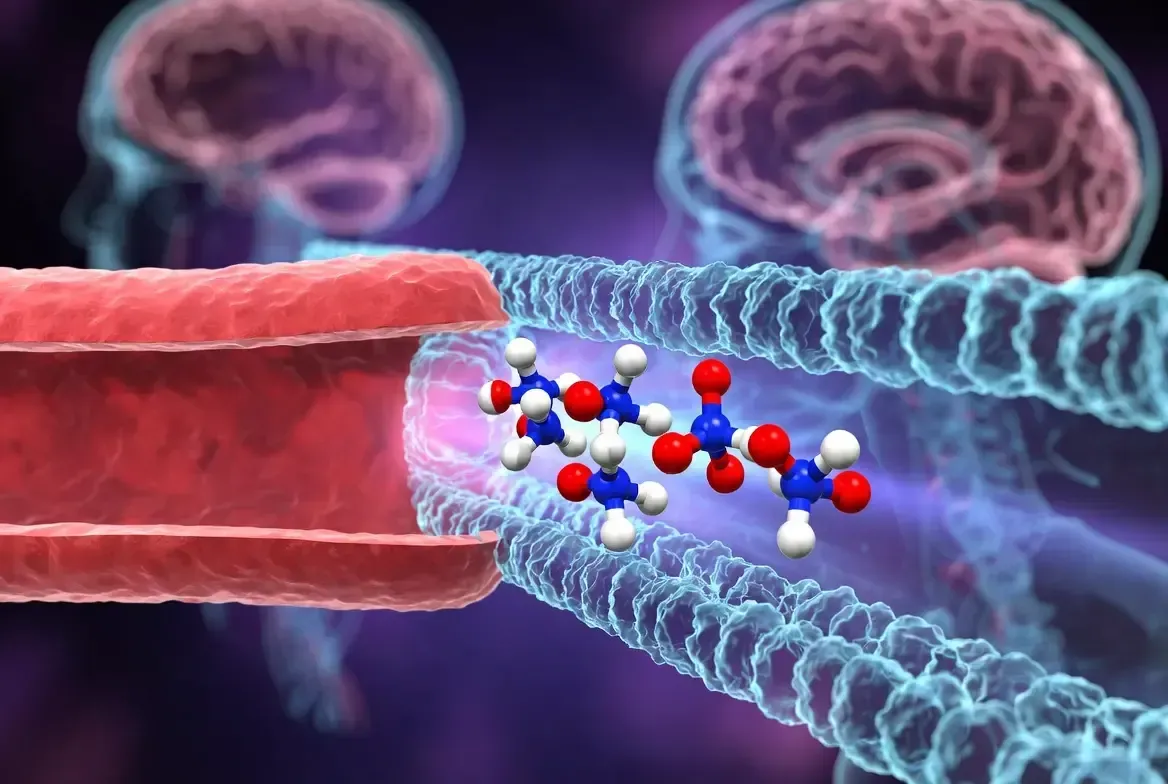
Pinealon is a synthetic tripeptide bioregulator composed of three amino acids: Glutamic acid, Aspartic acid, and Glycine, rendered in sequence as Glu-Asp-Gly. In research literature it is also identified as the EDR peptide, a shorthand derived from the single-letter amino acid codes in its sequence. Developed by scientists at the St. Petersburg Institute of Bioregulation and Gerontology, Pinealon belongs to a class of short-chain peptide bioregulators associated with researcher Vladimir Khavinson. These compounds are designed to mimic regulatory peptides found naturally in human tissue and to engage specific organs or systems at the cellular level.
The molecule is notable for its structural simplicity. At just three amino acids, it is small enough to cross biological barriers more readily than larger compounds, including the blood-brain barrier. This property is central to its research value: a peptide that cannot reach the central nervous system cannot act on it. Pinealon's compact structure also contributes to its biochemical stability, which affects how it behaves in the body after administration.
Pinealon's primary target is the central nervous system, with a particular focus on the pineal gland, a small endocrine structure that regulates melatonin production and helps govern the body's circadian rhythm. The peptide is not approved by the FDA or equivalent regulatory bodies in most Western countries. Its evidence base is concentrated in Russian and Eastern European research, and use outside those regions is primarily within longevity-focused and research communities. Sourcing peptide bioregulators from verified suppliers matters. Browse the Peptide Vendor Directory to find vetted sources for research-grade compounds.
The most studied Pinealon peptide benefits fall into three interconnected areas: neuroprotection, cognitive support, and cellular aging.
Neuroprotection is the most consistently supported function in available research. Preclinical studies suggest that Pinealon may reduce oxidative stress in neural tissue by modulating antioxidant defense pathways at the level of gene expression. Oxidative damage is a primary driver of neuron loss over time, and its accumulation at the synapse level is linked to impaired signal transmission and gradual cognitive decline. By supporting the cell's internal antioxidant response, Pinealon may help preserve the integrity of neural pathways before damage becomes irreversible.
Research also points to Pinealon's potential influence on apoptosis, the regulated process by which damaged or aging cells are programmed to die. In healthy tissue, apoptosis is tightly controlled. In aging neural environments or under oxidative stress, this regulation can become dysregulated, leading to accelerated neuron loss. Preliminary findings suggest Pinealon may help maintain appropriate apoptotic control in neuronal cells, reducing unnecessary cell death without suppressing the process entirely.
Neurons are among the most energy-hungry cells in the body, so any discussion of brain longevity eventually returns to how those cells generate ATP. Our guide to NAD+ in brain energy metabolism examines the coenzyme behind that process and how its decline relates to cognitive aging.
Cognitive support represents the second major area of interest. Animal studies and limited early-stage human trials, primarily in older subjects, indicate potential improvements in memory retention, learning speed, and sustained attention. Pinealon is one of several research peptides studied in the context of attention and cognition. For how it compares with Semax, Selank, Dihexa, and others, see the comparison of the best peptides for mental focus. These effects are thought to relate to Pinealon's action on protein biosynthesis in neurons, the process by which cells build the proteins needed for signal transmission, synaptic maintenance, and cellular repair.
When this process degrades with age, cognitive performance typically follows. Studies in laboratory rat models showed measurable improvements in spatial memory and attention under conditions mimicking age-related cognitive stress. Pinealon's neuroprotective focus overlaps with another compound on the longevity radar: the Klotho peptide, an engineered form of the alpha-Klotho protein studied for its effects on synaptic plasticity and cognitive aging.
Geroprotection is the third focus. Pinealon is studied as a compound that may slow aspects of cellular aging in the nervous system. Research from the St. Petersburg Institute has examined whether regular peptide bioregulator use can preserve functional markers of brain health across longer timeframes, including markers associated with mitochondrial function. Mitochondria are the energy-producing structures within each cell, and their declining output in neurons is closely linked to the progression of neurodegenerative disease. Compounds that support mitochondrial stability are of significant interest in aging research, and Pinealon's potential role in this area, while not yet fully characterized, is an active subject of investigation.
Pinealon's connection to sleep is grounded in its association with the pineal gland. The pineal gland is the brain's primary melatonin source, producing the hormone in response to darkness and helping synchronize the body's circadian rhythm with the external environment. This rhythm governs not just sleep timing but also temperature regulation, immune activity, and metabolic cycles. When pineal function declines, as it commonly does with age, the downstream effects on sleep quality and circadian stability can be significant.
Because Pinealon is designed to support pineal gland function at the cellular level, researchers have explored whether it may indirectly influence melatonin output and the broader neurotransmitter environment that governs sleep-wake transitions. Melatonin does not act alone: serotonin, which is synthesized in the brain from dietary tryptophan, is the precursor molecule from which melatonin is made. Disruptions in serotonin metabolism therefore affect melatonin availability. Pinealon's potential to support neurotransmitter regulation in the central nervous system means it may have indirect relevance to the serotonin-melatonin conversion pathway, though this connection has not been directly studied in humans.
Available reports from research settings suggest that Pinealon may support more consistent sleep onset and reduce nighttime disruptions, particularly in older individuals whose circadian regulation has become less reliable with age. A peptide studied more directly for sleep architecture itself is DSIP, the delta sleep-inducing peptide. See how DSIP supports slow-wave sleep. Disrupted sleep in aging populations reflects both declining melatonin output and changes in the neural pathways that govern sleep architecture, including inputs from the cerebral cortex and brainstem structures that modulate arousal. Pinealon's neuroprotective action may help preserve or partially restore some of this function over time.
The evidence in this specific area is not yet derived from large-scale, controlled human sleep studies. Most available data comes from preclinical models and observational reports within research communities. The biological rationale connecting Pinealon to sleep regulation is mechanistically coherent, but individuals interested in this application should treat it as a developing area of research rather than a confirmed clinical outcome.
One of the more significant areas of Pinealon research concerns its potential relevance to neurodegenerative disease. Conditions such as Alzheimer's disease are characterized by the progressive loss of neurons, accumulation of abnormal protein aggregates, mitochondrial dysfunction, and chronic neuroinflammation. While Pinealon is not a treatment for any neurodegenerative condition, researchers have examined whether its neuroprotective mechanisms are relevant to the biology underlying these diseases.
Animal model studies have explored Pinealon's effects in environments designed to simulate age-related neurological stress, including hypoxia and exposure to neurotoxic compounds. In these models, Pinealon-treated subjects showed improved neuronal survival, reduced markers of oxidative damage, and better preservation of synaptic density compared to controls. Synaptic loss, the reduction of functional connections between neurons, is one of the earliest measurable indicators of cognitive decline in diseases like Alzheimer's.
Pinealon's influence on gene expression in the cerebral cortex has also attracted research interest. The cerebral cortex is the brain's primary site of higher cognitive function, including memory consolidation, decision-making, and language. Changes in gene regulation within cortical neurons are closely linked to the onset and progression of cognitive impairment. Studies suggest Pinealon may modulate expression of genes involved in antioxidant enzyme production and DNA repair in cortical tissue, potentially helping cells respond more effectively to age-related environmental stress.
This does not establish Pinealon as a preventive or therapeutic agent for neurodegenerative disease. The evidence is preclinical, the mechanisms are incompletely understood, and no controlled human trials have examined Pinealon specifically in patient populations with diagnosed neurodegenerative conditions. The research is preliminary and should be read as hypothesis-generating rather than confirmatory.
Based on research conducted to date, Pinealon peptide side effects appear minimal. Studies from the St. Petersburg Institute and related institutions report a generally favorable tolerability profile, with no significant adverse events documented at typical research doses.
Mild reactions reported anecdotally include temporary headache, mild digestive discomfort, and brief fatigue, particularly during the first days of a cycle. These effects are not consistently observed and may reflect individual sensitivity rather than a direct pharmacological response. Injection-site irritation applies to injectable forms, which require sterile technique and professional administration. Oral and sublingual forms carry a different risk profile, though bioavailability data comparing delivery routes in humans remains limited.
Allergic reactions to synthetic peptides are possible but considered rare. Anyone with a known sensitivity to peptide-based compounds should exercise appropriate caution. Long-term safety data in humans is incomplete, and the absence of documented harm in existing studies does not constitute proof of long-term safety, particularly for continuous use over extended periods. Women who are pregnant or breastfeeding, and individuals with active neurological conditions, should consult a qualified healthcare provider before considering Pinealon.
There is no globally standardized clinical dosage for Pinealon. Protocols referenced in available research and Eastern European clinical practice typically describe cycles of 10 to 20 days, administered once daily. Doses cited in this literature commonly range from 10 to 20 mg per day, depending on the form used and the intended research application.
Cycles are generally repeated at intervals of three to six months rather than used continuously. This intermittent approach is consistent with how peptide bioregulators are broadly studied in gerontological research, where cycling is thought to support regulatory signaling without desensitization. Because Pinealon is not approved for clinical use in most Western countries, these dosage references reflect research protocols and manufacturer guidance rather than physician-prescribed standards. Anyone evaluating Pinealon for personal use should work with a healthcare provider familiar with peptide bioregulators.
Dosage reference points from research protocols are a starting point, not a prescription. Use the
Peptide Calculator to work through the numbers before you begin.
The scientific evidence for Pinealon is real but limited in scope. The existing body of work is concentrated in preclinical studies, in vitro cell models, and small-scale human trials conducted primarily in Russia and Eastern Europe. These studies form a consistent picture, but they have not been replicated at the scale required for regulatory approval or mainstream clinical adoption.
Key published findings suggest that Pinealon may reduce markers of oxidative damage in neuronal tissue, support cell survival under conditions of metabolic stress, and modulate gene expression related to antioxidant enzyme activity and DNA repair. Studies examining aging populations reported potential improvements in cognitive markers including memory and attention, though these outcomes require validation in larger, double-blind trials with standardized endpoints.
Pinealon's research trajectory sits within a broader scientific program examining short peptide bioregulators for geroprotection. This institutional context lends the existing research coherence, though independent replication outside of Russian academic settings remains limited. The influence of environmental factors, baseline health status, and genetic variation on individual response to Pinealon has not been systematically studied, which limits the generalizability of current findings.
For anyone evaluating Pinealon based on the evidence, the appropriate framing is this: the mechanistic hypothesis is biologically plausible, the initial data is cautiously encouraging, and the confirmatory human evidence needed to establish clinical efficacy has not yet been produced. That gap does not invalidate the research, but it does define its current stage.
The research on Pinealon peptide is developing, and the landscape of peptide bioregulators moves quickly. Before making any decision about use, it is worth reviewing the available studies and discussing them with a qualified healthcare provider who understands peptide-based compounds. Well-sourced, transparent information is the foundation of responsible biohacking.
If you want guidance navigating the research and building a protocol that fits your goals,
Peptide Coaching connects you with someone who has done the work.
Pinealon is a synthetic tripeptide bioregulator composed of Glutamic acid, Aspartic acid, and Glycine (Glu-Asp-Gly), also identified as the EDR peptide. Developed at the St. Petersburg Institute of Bioregulation and Gerontology, it is studied for its neuroprotective, cognitive, and anti-aging properties, with a primary focus on the central nervous system and pineal gland.
Pinealon is studied for potential benefits including neuroprotection, cognitive support in aging adults, sleep-wake cycle regulation, mitochondrial support in neurons, and reduction of oxidative stress in brain tissue. Its use is primarily within research and longevity-focused contexts.
Pinealon is believed to modulate gene expression in neuronal cells, supporting antioxidant enzyme activity, DNA repair, protein biosynthesis, and apoptotic regulation. This action may help preserve neuronal function, maintain synaptic integrity, and slow aspects of brain aging.
Pinealon is associated with the pineal gland, which governs melatonin production and the circadian rhythm. Early reports suggest it may support more consistent sleep onset and quality, potentially through its influence on pineal function and the neurotransmitter pathways involved in melatonin synthesis. Large-scale human sleep trials have not yet confirmed this.
Pinealon's amino acid sequence is Glu-Asp-Gly, also referred to as the EDR peptide in scientific literature.
No. Pinealon is not FDA approved and is not recognized as a clinical treatment in most Western countries. It is available primarily as a research chemical or peptide supplement, with most clinical data originating from Russian and Eastern European studies.
Pinealon is not a treatment for Alzheimer's disease or any neurodegenerative condition. However, preclinical research has examined its neuroprotective mechanisms in contexts relevant to neurodegeneration, including synaptic preservation, apoptotic regulation, and oxidative stress reduction in cortical neurons. Human evidence in this area does not yet exist.
Reported side effects are minimal and may include mild headache, temporary fatigue, or digestive discomfort. Injection-site irritation applies to injectable forms. Long-term safety data in humans remains incomplete.
References

About the Author:
Jeff Nunn is the founder of Project Biohacking. With over 30 years of biohacking practice, he applies decades of self-experimentation methodology to peptide research, dosing math, and vendor evaluation.
Important Disclaimer: The content on Project Biohacking is for educational and informational purposes only and is not intended as medical advice, diagnosis, or treatment. Always consult a qualified healthcare professional before making any changes to your health regimen, starting new supplements, peptides, or protocols. Nothing on this site establishes a doctor–patient relationship, and you use the information at your own risk. Research compounds discussed here are sold for laboratory research purposes only and are not approved for human or veterinary use or consumption.
“For educational use only. Not medical advice. Read our full disclaimer.”
+1 214-278-4039
All Rights Reserved | Project Biohacking