
About the Author:
Jeff Nunn is the founder of Project Biohacking. With over 30 years of biohacking practice, he applies decades of self-experimentation methodology to peptide research, dosing math, and vendor evaluation.
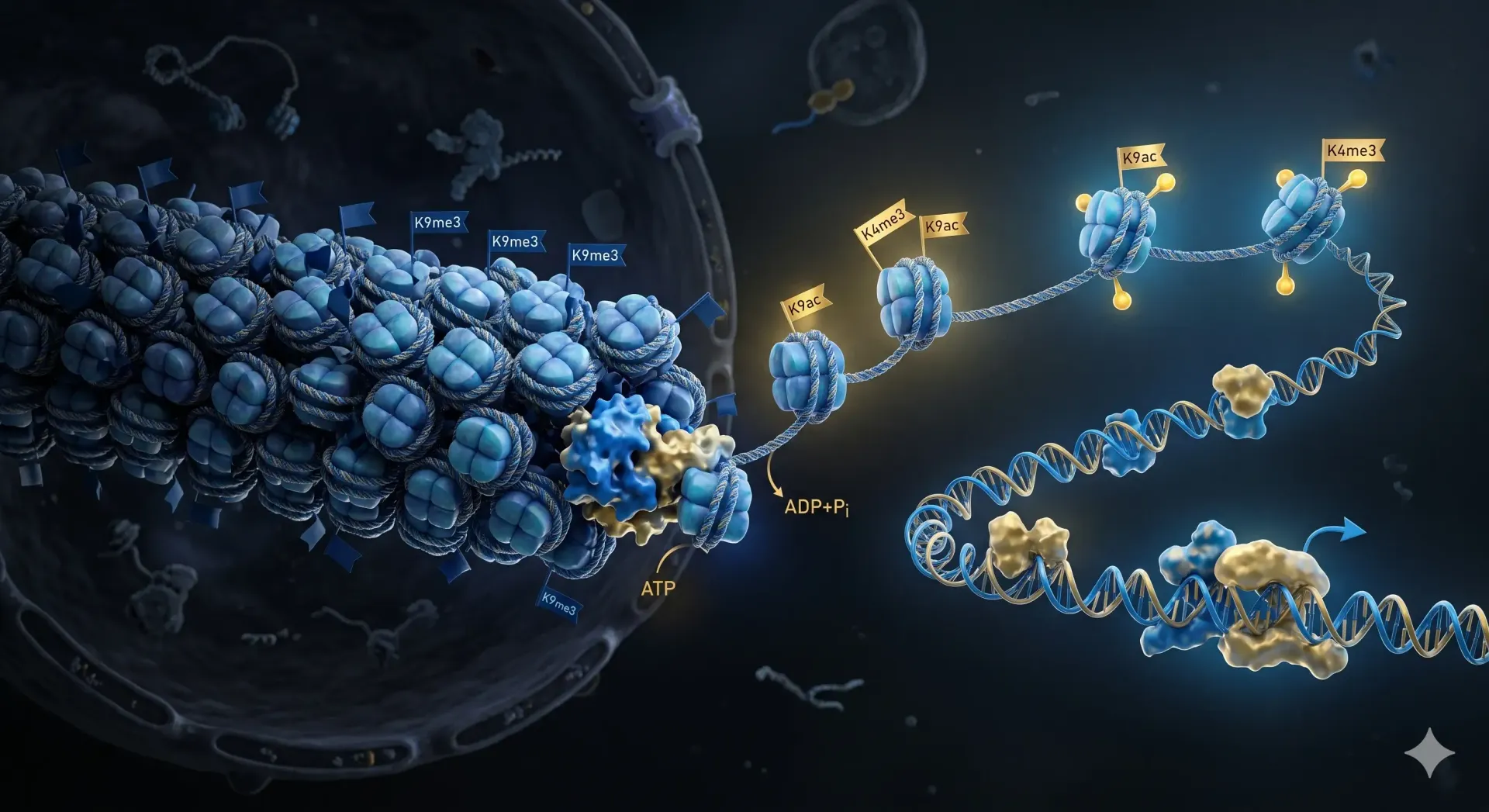
Vilon is a synthetic dipeptide bioregulator with two amino acids. Its primary research area is not any single measurable output but the underlying regulatory machinery governing how aging immune cells express their genes. For researchers familiar with Epitalon or the Khavinson bioregulator framework, Vilon fills a specific gap: thymus-targeted epigenetic modulation in the context of immunosenescence.
Vilon is the research name for the synthetic dipeptide Lys-Glu, also written as L-lysyl-L-glutamic acid, lysylglutamate, or Lysylglutamic acid. Alternative names in the literature include KE peptide and Normophthal. It was originally isolated from thymus tissue extracts, then synthesized as a defined chemical entity within the Khavinson bioregulator class, which also includes Epitalon (pineal) and Cardiogen (cardiac). The same family includes a cartilage-targeted member, Cartalax, studied for chondrocyte gene expression in joint tissue. See the full guide to the Cartalax cartilage bioregulator.
Unlike peptides that operate through receptor binding or direct hormonal signaling, Vilon's mechanism is primarily epigenetic and immune-regulatory. It does not stimulate growth hormone, modulate appetite signaling, or act through the BPC-157 or TB-500 tissue-repair pathways.
In aging cells, regions of the genome that were once transcriptionally active become condensed into heterochromatin, a tightly packed form that silences gene expression. Vilon has been shown in cell and tissue models to promote deheterochromatinization: the loosening of condensed chromatin back toward transcriptionally active euchromatin [1, 2].
In lymphocytes from elderly donors, Vilon reactivates nucleolar organizer regions responsible for ribosomal RNA synthesis and restores protein production capacity that had declined with age [3]. In aging human mesenchymal stem cell models, it normalizes telomere dynamics and modulates expression of genes including IGF1, FOXO1, TERT, TNKS2, and NF-kB pathway components [4].
At the immune cell level, in vitro work shows Vilon upregulates surface markers including CD4, CD5, HLA-DR, and CD54, supporting T-helper differentiation and improved blast-transformation responses in aged cell models [5]. It also alters MMP-9 expression and increases Ki-67 in fibroblast cultures, suggesting broader effects on proliferative repair capacity [6].
The primary research base originates in Russian clinical and preclinical work, with follow-on investigation in international cell biology and epigenetics literature.
Immunocorrection and aging. Early work with the thymic extract Thymalin identified the active dipeptide KE as a key mediator of immune normalization in older and immunocompromised subjects, showing improvements in cellular immunity, macrophage activity, and nonspecific resistance [7]. Vilon as a defined compound produced more consistent results than complex extracts, allowing for cleaner mechanistic investigation.
Oncology-adjacent research. In transgenic mouse models, KE-class peptides reduced expression of certain oncogenes including HER-2/neu and modulated tumor-related gene expression, generating interest as a potential adjuvant rather than standalone treatment [8].
Most structured data come from disease and elderly cohorts rather than healthy younger populations, an important caveat for biohacking extrapolation.
The following describes parameters from research literature only. This is not dosing guidance. All use should occur under qualified clinical oversight. See the peptide calculator for reconstitution reference.
Long-term safety data in healthy biohacking populations are sparse. Most structured clinical data involve elderly or disease-affected cohorts [7].
Vilon targets the thymus and immune system via chromatin remodeling. Epitalon targets the pineal gland through telomerase activation and circadian pathway effects. They operate on different organ axes and are frequently combined for complementary coverage. For the full Epitalon protocol including dosing, cycling, and stacking strategies, see our
Epithalon biohacking guide.
| Peptide | Core Axis | Key Mechanism | Typical Cycle | Notes |
|---|---|---|---|---|
| Vilon (KE) Thymus / Immune | Thymus / Immune | Chromatin remodeling, NF-kB-linked immune modulation, T-cell markers | 5–12 days, 5–10 mg daily | Minimalist dipeptide with strong epigenetic and immune data |
| Epitalon Pineal / Circadian | Pineal / Circadian | Telomerase / telomere modulation, melatonin and oxidative stress pathways | 10–20 days, low-mg daily | Often paired with Vilon in longevity stacks |
| Thymalin Thymus / Systemic Immunity | Thymus / Systemic Immunity | Mix of thymic peptides including KE; broader, less specific | Multi-day injectable courses | Historical pharmaceutical preparation from Russia |
Vilon is available as a lyophilized research compound, typically in 20 mg vials at stated purity of 99 percent or higher, labeled as Lys-Glu, Lysylglutamate, or KE peptide.
Current codes for every supplier we work with are collected on one page, each re-checked monthly against the live vendor site. See peptide discount codes for the full list.
The criteria themselves, and what each company scored, are on the rating methodology page.
Among those suppliers, Biolongevity Labs is one of the few that stocks Vilon alongside a deep Khavinson catalog and publishes lot-specific certificates of analysis. Our Biolongevity Labs review covers their testing panel, which laboratories are current, and where the site claims more than the certificates show. CanLab International also carries Vilon within a Khavinson-focused catalog, and what its documentation covers is set out in the CanLab International review.
Evaluate sourcing based on HPLC or LC-MS methodology, batch-specific COA results, and explicit compound identification. For what third-party testing documentation should actually contain, see
third-party testing: what actually matters.
Vilon is not a recovery or body composition compound. It is a narrow, mechanistically specific research tool aimed at the progressive silencing of immune gene expression through chromatin compaction. The researchers who have studied it most extensively are interested in long-term immune trajectory, not acute performance metrics.
Within the Khavinson framework, Vilon occupies a non-redundant position. For someone who has already addressed the pineal and tissue-repair axes, the thymus-targeted epigenetic work that Vilon represents is a logical area to investigate further, under qualified clinical oversight.
Vilon is a synthetic dipeptide bioregulator composed of lysine and glutamic acid (Lys-Glu). Originally isolated from thymus tissue extracts, it is classified as a Khavinson bioregulator and is primarily researched for immune aging, chromatin remodeling, and epigenetic gene regulation in aging cells.
Vilon promotes deheterochromatinization, loosening condensed chromatin back toward transcriptionally active euchromatin in aging immune cells. It also modulates NF-kB signaling and influences expression of genes involved in telomere maintenance and longevity, including TERT, FOXO1, and IGF1.
Vilon targets the thymus and immune system through chromatin remodeling and immune cell normalization. Epitalon targets the pineal gland via telomerase activation and circadian regulation. They operate on different organ axes and are often combined in longevity protocols.
The literature describes daily doses of 5 to 10 mg subcutaneously, with course lengths of 5 to 12 days and cycle frequency of approximately every 3 to 6 months. Micro-dose pulsed variants also appear in protocol documentation. These are not medical recommendations.
No. Vilon is not FDA-approved for any indication and is not approved for human therapeutic use in the United States. It is available as a research compound for investigational purposes only, and use should occur under qualified clinical supervision.
REFERENCES
1. Khavinson VKh, Linkova NS, Polyakova VO, Kvetnoy IM. Peptide KE regulation of gene expression and chromatin state in old human fibroblasts. Bull Exp Biol Med. 2011;152(1):114-117.
2. Khavinson VKh, Lezhava TA, Monaselidze JR, et al. Peptide KE activates chromatin in old human lymphocytes. Neuro Endocrinol Lett. 2003;24(3-4):177-182.
3. Lezhava T, Monaselidze J, Jokhadze T, et al. Activation of nucleolar organizer regions (NOR) and chromatin in aged human lymphocytes by KE peptide. Tsitologiia. 2005;47(8):688-693.
4. Linkova NS, Diatlova AS, Trofimova SV, et al. Peptide Regulation of Gene Expression and Protein Synthesis in Bronchial Epithelium. Lung. 2020;198(2):403-410.
5. Khavinson VKh, Morozov VG. Peptides of pineal gland and thymus prolong human life. Neuro Endocrinol Lett. 2003;24(3-4):233-240.
6. Khavinson VKh, Linkova NS, Kvetnoy IM, et al. KE peptide: Effects on expression of Ki-67 and MMP-9 in human fibroblast culture. Bull Exp Biol Med. 2013;154(5):663-666.
7. Morozov VG, Khavinson VKh. Natural and synthetic thymic peptides as therapeutics for immune dysfunction. Int J Immunopharmacol. 1997;19(9-10):501-505.
8. Anisimov VN, Khavinson VKh, Popovich IG, et al. Effect of Epitalon on biomarkers of aging, life span and spontaneous tumor incidence in female Swiss-derived SHR mice. Biogerontology. 2003;4(4):193-202.

About the Author:
Jeff Nunn is the founder of Project Biohacking. With over 30 years of biohacking practice, he applies decades of self-experimentation methodology to peptide research, dosing math, and vendor evaluation.
Important Disclaimer: The content on Project Biohacking is for educational and informational purposes only and is not intended as medical advice, diagnosis, or treatment. Always consult a qualified healthcare professional before making any changes to your health regimen, starting new supplements, peptides, or protocols. Nothing on this site establishes a doctor–patient relationship, and you use the information at your own risk. Research compounds discussed here are sold for laboratory research purposes only and are not approved for human or veterinary use or consumption.
“For educational use only. Not medical advice. Read our full disclaimer.”
+1 214-278-4039
All Rights Reserved | Project Biohacking