Is BPC-157 Safe? Evidence, Risks, and Medical Trials Biohackers Should Actually Read

Jeff Nunn • April 10, 2026

What preclinical research, human trials, and the regulatory record actually say about BPC-157 safety -- before you decide anything

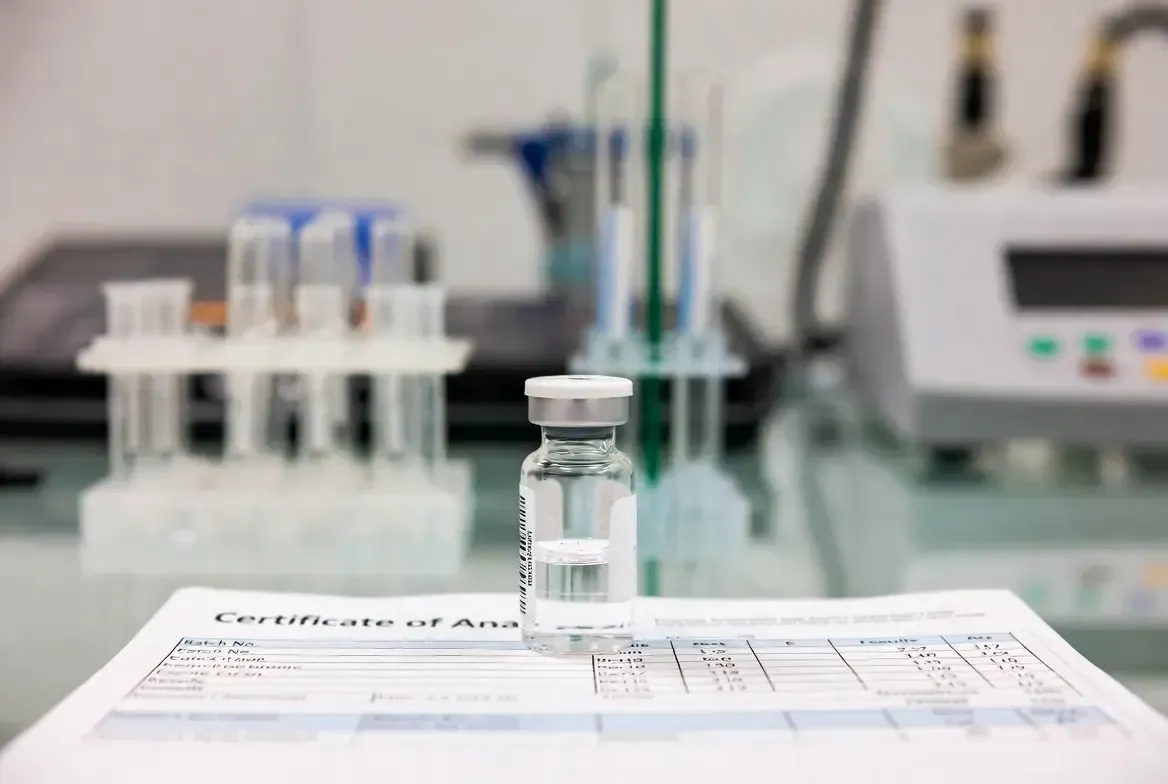
High-quality peptide vial with official Certificate of Analysis and lab testing equipment, representing purity testing and pharmaceutical-grade quality control in a sterile cleanroom environment

Why Safety Has to Come Before Protocols

BPC-157 shows up in almost every peptide conversation about healing, gut repair, and recovery. It sounds like a cheat code for tendons, joints, and the digestive tract. But most of what circulates online comes from animal data -- not large, controlled human trials. If you care about performance and longevity, you need a sober look at the safety story before you make any decisions.


This guide breaks down what BPC-157 is, what preclinical research actually shows, where the human dataset stands, what the regulatory record looks like, and which risks are theoretical versus observed. It is educational, not medical advice.


What BPC-157 Is and Why It Keeps Coming Up

BPC-157 (Body Protective Compound-157) is a synthetic 15-amino-acid fragment derived from a larger protein naturally present in gastric juice. In laboratory models, it behaves like a broad cytoprotective peptide: it helps tissues tolerate stress, modulates inflammatory signaling, and activates repair pathways.

In animal and cell studies, BPC-157 has been reported to:


  • Promote healing of tendons, ligaments, and muscle tissue
  • Protect and help repair the gut lining, including in ulcer and colitis models
  • Support microcirculation and angiogenesis in damaged tissue
  • Show signals for neuroprotection and nerve regeneration in CNS models
  • Modulate dopamine and serotonin pathways relevant to stress and mood research


That profile, combined with research-chemical availability, is why biohackers and injured athletes keep returning to it. But healing potential is only half the equation. The other half is risk.


How BPC-157 Works at the Receptor Level

To understand the safety story, you need to understand the mechanism. BPC-157 does not bind to a single receptor the way a classical drug does. It operates across multiple signaling networks simultaneously.


One of the most studied mechanisms involves the fibroblast growth factor receptor (FGFR) axis. BPC-157 appears to upregulate FGFR activity and downstream signaling, which accelerates fibroblast migration and proliferation. Fibroblasts lay down collagen and extracellular matrix -- which is why the peptide shows consistent effects in tendon and connective-tissue healing models.

Beyond FGFR, BPC-157 modulates the nitric oxide (NO) system, which governs vascular tone, tissue perfusion, and inflammation resolution. It also interacts with the AKT/mTOR pathway involved in cell survival and growth, and with MAPK/ERK signaling linked to proliferation and differentiation.


These are not isolated pathways. They connect to cardiovascular regulation, metabolic signaling, immune function, and oncogenic control. That breadth of action is why the regenerative effects are diverse -- and why the long-term consequences of sustained systemic modulation in humans remain unknown.

Preclinical Safety: What the Animal Data Actually Shows

Across preclinical work, BPC-157 looks remarkably benign from a classic toxicology standpoint. A 2025 narrative review notes that standard animal safety tests have not identified a clear lethal dose at the ranges used in healing studies.

Key patterns from the preclinical literature:


Gastric and GI Models

Rats given BPC-157 orally or by injection showed strong protection against multiple ulcer models, with no reported organ toxicity or behavioral indicators of adverse effects at tested doses. In cysteamine-colitis and other inflammatory bowel models, BPC-157 reduced lesion severity and inflammatory markers without obvious toxicity signals.


Musculoskeletal Models

Tendon, ligament, and muscle-healing experiments used daily microgram-per-kilogram doses and consistently showed faster functional recovery without dose-limiting adverse effects across repeated studies.


Drug-Induced Injury Models

BPC-157 protected against NSAID-induced and clopidogrel-induced gastric injury in rats, again without major adverse signals in treated animals. These models are relevant because they mirror real-world scenarios where gut-protective agents are needed alongside other interventions.


CNS and Mood Models

Animal models exploring the dopaminergic and serotonergic effects of BPC-157 have shown normalization of stress-related behaviors, anxiolytic-like responses, and neuroprotective signals after brain or spinal injury -- without overt toxicity at studied doses.


From a laboratory perspective, BPC-157 presents as a high-tolerability peptide with consistent protective actions across tissue types. But rodents are not humans, and "no obvious toxicity in rats" does not automatically translate to "safe for long-term human use."

Human Evidence: How Much Do We Actually Have?

For a compound with hundreds of preclinical publications, the human dataset is small. A 2025 systematic review of BPC-157 for musculoskeletal and regenerative applications identified only a handful of clinical or quasi-clinical studies.


Interstitial Cystitis / Bladder Pain Trial (2024)

The most recent and widely discussed human study enrolled 12 women with long-standing interstitial cystitis/bladder pain syndrome. Each received a single intramural injection of BPC-157 directly into the bladder wall. Ten patients achieved what investigators classified as complete clinical remission; two showed approximately 80% improvement. No serious adverse events were reported during follow-up, and laboratory values remained stable.


The design is small and uncontrolled, which limits what you can conclude. But it demonstrates that BPC-157 can be administered to humans in a targeted clinical setting without obvious acute toxicity -- and points toward real therapeutic potential in a condition with very few effective options.


GI and IBD-Adjacent Work

Earlier Croatian and European research described use of BPC-157 or a closely related candidate in patients with ulcerative colitis, gastric ulcers, and anastomotic healing contexts. These studies reported improved mucosal healing and symptom scores in some patients, with no major adverse events at the small doses used over short courses.


This is not large modern RCT evidence. But it adds to the picture of short-term tolerability in humans, particularly on the GI side -- which aligns directly with the gastric origin of the peptide.


Pharmacokinetics and General Safety Explorations

Published reviews also reference pharmacokinetics and safety explorations in which humans received BPC-157 intravenously or parenterally under monitoring. These did not uncover major acute safety issues, but sample sizes were small and observation periods limited.


The Gap That Matters

Short-term exposure in small human samples appears well tolerated. The type of longer, self-directed cycles common in biohacking communities -- extended durations, self-injection without monitoring, combined with other compounds -- has never been studied systematically in any human cohort.


Side Effects: What Is Reported and What Is Theoretical

Because there is no large pharmacovigilance database for BPC-157, the current side-effect picture combines observations from the small human studies, clinician experience in regenerative medicine contexts, and self-report data from research communities.


Commonly Reported Short-Term Issues

  • Mild digestive upset, nausea, or transient changes in bowel habits
  • Headaches or a wired, off-baseline feeling in a subset of users
  • Injection-site irritation, redness, or small nodules with subcutaneous or intramuscular administration
  • Temporary fatigue or flu-like sensation in the first few days of use


Mechanism-Based Concerns for Long-Term Use

Beyond short-term self-reports, the main concerns are theoretical and mechanism-derived:


Angiogenesis and growth signaling: BPC-157 promotes new blood vessel formation and normalizes microcirculation via nitric oxide and growth factor pathways. In a healing tendon, that is the therapeutic goal. In a context involving a latent tumor or pre-cancerous tissue, excessive angiogenesis could theoretically be a problem. There is no direct human cancer signal in current data -- but there is also no dataset proving neutrality across long-duration use.


Fibrosis and remodeling: By accelerating fibroblast activity and collagen matrix construction, extended BPC-157 exposure could in theory contribute to aberrant fibrosis or tissue remodeling in contexts outside of acute injury repair.


Systemic pathway modulation: The peptide modulates NO, AKT, ERK, and MAPK pathways involved in cardiovascular regulation, metabolism, and immune function. Long-term systemic engagement of those pathways in humans via exogenous BPC-157 has not been studied.


The bottom line from recent reviews: strong regenerative and cytoprotective signals in preclinical models, paired with an unknown long-term risk profile in humans.

BPC-157 and the GI Tract: Colitis, Crohn's, and Gut Research

The GI application of BPC-157 is the closest to its natural biological origin. The peptide is derived from a protein found in gastric juice, and its cytoprotective effects on the gut lining are among the most replicated findings in the animal literature.

In colitis models, BPC-157 has consistently reduced mucosal damage, inflammation, and lesion severity. The mechanisms include reduced oxidative stress in the gut wall, normalization of intestinal blood flow via the NO system, and modulation of inflammatory cytokine activity.


For Crohn's disease models specifically, preclinical data shows BPC-157 reducing transmural inflammation and supporting mucosal healing -- which mirrors the therapeutic targets of existing IBD biologics, but through different mechanisms and without the immunosuppression associated with those agents.


The human data in this area is limited but directionally consistent: the early ulcerative colitis and anastomotic work showed improved healing without major safety signals. This does not mean BPC-157 is a treatment for IBD. It means the mechanistic rationale is credible and warrants rigorous clinical investigation.


If you have a diagnosed GI condition, this is a conversation for a gastroenterologist who understands the current research landscape -- not a starting point for self-directed experimentation.


BPC-157 and Mental Health: What the Research Addresses

The mental health angle on BPC-157 is less widely understood than the GI or musculoskeletal applications, but it is grounded in documented mechanisms.


BPC-157 modulates the dopaminergic system. In animal models of dopamine-related dysfunction, it has shown the ability to normalize dopamine activity in key brain regions. It also interacts with the serotonergic system and has demonstrated anxiolytic and antidepressant-like effects in rodent behavioral models.


The proposed mechanism for these effects involves BPC-157's interaction with the NO system in the brain, which influences neurotransmitter release and neuroprotective signaling. In drug-induced brain injury models -- including those mimicking overexposure to certain psychiatric drugs -- BPC-157 has shown neuroprotective effects.


Some researchers have also explored BPC-157's role in stress adaptation. In chronic stress paradigms, it has been associated with normalized corticotropin-releasing hormone activity and reduced anxiety-like behavior.


This is all preclinical. There are no published human trials on BPC-157 specifically for depression, anxiety, or any psychiatric condition. The mechanistic pathway is plausible, but the leap from animal models to clinical application requires properly designed human studies -- which do not yet exist.


BPC-157 and Pain Management: The Research Basis

Pain reduction appears in the BPC-157 preclinical literature across several pathways, which is why pain management is consistently cited as a potential application.


Inflammatory pain models show BPC-157 reducing prostaglandin-mediated sensitization and modulating substance P activity at the site of injury. In nerve injury models, the peptide has shown both analgesic effects and support for axonal regeneration -- which addresses the underlying pathology, not just the symptom.


For musculoskeletal pain specifically, the mechanism overlaps with the tissue-repair effects: reduced local inflammation, improved microcirculation, and accelerated structural healing all contribute to pain reduction over time. This is distinct from conventional analgesics, which address symptom signaling without engaging the repair process.


There are no controlled human trials establishing BPC-157 as an effective analgesic. What exists is mechanistic rationale backed by animal data. Whether that translates to clinically meaningful pain relief in humans -- at what doses, for what conditions, over what timeframe -- remains an open empirical question.


Sourcing BPC-157: Quality, Verification, and What "Medical Grade" Actually Means

Sourcing is a safety variable that most editorial coverage underweights. The quality of the compound you obtain is not separate from the safety question -- it is central to it.


BPC-157 is not approved by the U.S. FDA as a drug, supplement, or biologic for any indication. It is sold online as a research chemical with "not for human consumption" labeling, which is how it avoids being regulated as a pharmaceutical product. That regulatory gap has real consequences.


Independent testing of research-chemical peptide products has found:

  • Mislabeling -- products sold as BPC-157 containing different peptides or incorrect concentrations
  • Contamination with bacterial endotoxins or residual solvents from synthesis
  • Degraded or inactive peptide material that has not been handled correctly during storage or shipping
  • Variable purity between lots from the same supplier


The phrase "medical-grade BPC-157" on a vendor page is marketing language. Unless a product is manufactured under pharmaceutical GMP standards and released under regulatory oversight -- which research-chemical products are not -- there is no standardized specification behind that label.


When evaluating a source, the meaningful signals are third-party certificates of analysis from independent laboratories, documented synthesis standards, and transparent handling protocols. Our vendor directory covers vendors that meet the sourcing criteria we apply to research-compound evaluation. For a detailed breakdown of what testing actually indicates about compound quality, see our coverage of third-party testing standards.


Competitive athletes and active-duty military personnel face an additional layer of risk. Anti-doping agencies and military medical commands classify BPC-157 as a prohibited, unapproved substance. Supply-chain contamination from research-chemical vendors -- where the same facility may produce multiple compounds -- creates cross-contamination risk that can produce positive tests for sanctioned substances unrelated to BPC-157 itself.


Regulatory Status: Where BPC-157 Sits Today

From a regulatory standpoint, BPC-157 remains squarely in experimental territory.


  • It is not approved by the U.S. FDA for any clinical indication
  • It is not recognized as a dietary supplement under DSHEA
  • It is classified as a prohibited substance by the World Anti-Doping Agency and branches of the U.S. military
  • It has no established pharmaceutical standard or GMP manufacturing pathway for the research-chemical market


Two major safety implications flow from that status. First, quality is entirely unregulated -- what is on the label may not reflect what is in the vial. Second, anyone subject to drug testing in athletic competition or military service carries meaningful risk from use, including from supply-chain contamination.


"Medical-grade" is not a regulated term in this context. There is no shared standard behind it. Clinical-trial material manufactured under investigational drug protocols is a different category entirely from what is available through research-chemical vendors.

BPC-157 and the GI Tract: Colitis, Crohn's, and Gut Research

The GI application of BPC-157 is the closest to its natural biological origin. The peptide is derived from a protein found in gastric juice, and its cytoprotective effects on the gut lining are among the most replicated findings in the animal literature.

In colitis models, BPC-157 has consistently reduced mucosal damage, inflammation, and lesion severity. The mechanisms include reduced oxidative stress in the gut wall, normalization of intestinal blood flow via the NO system, and modulation of inflammatory cytokine activity.


For Crohn's disease models specifically, preclinical data shows BPC-157 reducing transmural inflammation and supporting mucosal healing -- which mirrors the therapeutic targets of existing IBD biologics, but through different mechanisms and without the immunosuppression associated with those agents.


The human data in this area is limited but directionally consistent: the early ulcerative colitis and anastomotic work showed improved healing without major safety signals. This does not mean BPC-157 is a treatment for IBD. It means the mechanistic rationale is credible and warrants rigorous clinical investigation.


If you have a diagnosed GI condition, this is a conversation for a gastroenterologist who understands the current research landscape -- not a starting point for self-directed experimentation.


BPC-157 and Mental Health: What the Research Addresses

The mental health angle on BPC-157 is less widely understood than the GI or musculoskeletal applications, but it is grounded in documented mechanisms.


BPC-157 modulates the dopaminergic system. In animal models of dopamine-related dysfunction, it has shown the ability to normalize dopamine activity in key brain regions. It also interacts with the serotonergic system and has demonstrated anxiolytic and antidepressant-like effects in rodent behavioral models.


The proposed mechanism for these effects involves BPC-157's interaction with the NO system in the brain, which influences neurotransmitter release and neuroprotective signaling. In drug-induced brain injury models -- including those mimicking overexposure to certain psychiatric drugs -- BPC-157 has shown neuroprotective effects.


Some researchers have also explored BPC-157's role in stress adaptation. In chronic stress paradigms, it has been associated with normalized corticotropin-releasing hormone activity and reduced anxiety-like behavior.


This is all preclinical. There are no published human trials on BPC-157 specifically for depression, anxiety, or any psychiatric condition. The mechanistic pathway is plausible, but the leap from animal models to clinical application requires properly designed human studies -- which do not yet exist.


BPC-157 and Pain Management: The Research Basis

Pain reduction appears in the BPC-157 preclinical literature across several pathways, which is why pain management is consistently cited as a potential application.


Inflammatory pain models show BPC-157 reducing prostaglandin-mediated sensitization and modulating substance P activity at the site of injury. In nerve injury models, the peptide has shown both analgesic effects and support for axonal regeneration -- which addresses the underlying pathology, not just the symptom.


For musculoskeletal pain specifically, the mechanism overlaps with the tissue-repair effects: reduced local inflammation, improved microcirculation, and accelerated structural healing all contribute to pain reduction over time. This is distinct from conventional analgesics, which address symptom signaling without engaging the repair process.


There are no controlled human trials establishing BPC-157 as an effective analgesic. What exists is mechanistic rationale backed by animal data. Whether that translates to clinically meaningful pain relief in humans -- at what doses, for what conditions, over what timeframe -- remains an open empirical question.


Sourcing BPC-157: Quality, Verification, and What "Medical Grade" Actually Means

Sourcing is a safety variable that most editorial coverage underweights. The quality of the compound you obtain is not separate from the safety question -- it is central to it.


BPC-157 is not approved by the U.S. FDA as a drug, supplement, or biologic for any indication. It is sold online as a research chemical with "not for human consumption" labeling, which is how it avoids being regulated as a pharmaceutical product. That regulatory gap has real consequences.


Independent testing of research-chemical peptide products has found:

  • Mislabeling -- products sold as BPC-157 containing different peptides or incorrect concentrations
  • Contamination with bacterial endotoxins or residual solvents from synthesis
  • Degraded or inactive peptide material that has not been handled correctly during storage or shipping
  • Variable purity between lots from the same supplier


The phrase "medical-grade BPC-157" on a vendor page is marketing language. Unless a product is manufactured under pharmaceutical GMP standards and released under regulatory oversight -- which research-chemical products are not -- there is no standardized specification behind that label.


When evaluating a source, the meaningful signals are third-party certificates of analysis from independent laboratories, documented synthesis standards, and transparent handling protocols. Our vendor directory covers vendors that meet the sourcing criteria we apply to research-compound evaluation. For a detailed breakdown of what testing actually indicates about compound quality, see our coverage of third-party testing standards.


Competitive athletes and active-duty military personnel face an additional layer of risk. Anti-doping agencies and military medical commands classify BPC-157 as a prohibited, unapproved substance. Supply-chain contamination from research-chemical vendors -- where the same facility may produce multiple compounds -- creates cross-contamination risk that can produce positive tests for sanctioned substances unrelated to BPC-157 itself.


Regulatory Status: Where BPC-157 Sits Today

From a regulatory standpoint, BPC-157 remains squarely in experimental territory.


  • It is not approved by the U.S. FDA for any clinical indication
  • It is not recognized as a dietary supplement under DSHEA
  • It is classified as a prohibited substance by the World Anti-Doping Agency and branches of the U.S. military
  • It has no established pharmaceutical standard or GMP manufacturing pathway for the research-chemical market


Two major safety implications flow from that status. First, quality is entirely unregulated -- what is on the label may not reflect what is in the vial. Second, anyone subject to drug testing in athletic competition or military service carries meaningful risk from use, including from supply-chain contamination.


"Medical-grade" is not a regulated term in this context. There is no shared standard behind it. Clinical-trial material manufactured under investigational drug protocols is a different category entirely from what is available through research-chemical vendors.

How Current Reviews Frame the BPC-157 Safety Question

Two lines of analysis define the current academic framing:


A 2025 narrative review titled "Regeneration or Risk?" concludes that BPC-157 shows strong regenerative effects in preclinical musculoskeletal and GI models, but that human data is too limited to support routine clinical use. The review calls for properly powered, placebo-controlled human trials before clinical recommendations can be made.

Science and medical communication outlets have highlighted BPC-157 as a clear example of preclinical enthusiasm outpacing clinical evidence -- where mechanistic rationale is solid but the clinical dataset is not yet sufficient to answer the questions that matter for human use.


Orthopedic and sports-medicine clinicians writing for athletic and military populations tend toward cautious interest: they acknowledge the animal data and the early human signals, but consistently emphasize that regulated formulations and properly designed human trials are still absent.


Practical Risk Management for Informed Researchers

If you are evaluating BPC-157, you are operating closer to the experimental edge than most. The question is how to do that with appropriate rigor.


Treat it as investigational, not established therapy. However common BPC-157 is in certain communities, it remains an unapproved research peptide with a small human dataset. Familiarity in your social environment is not a substitute for clinical evidence.


Use bounded experiments, not open-ended cycles. If you and a qualified clinician decide to proceed, define a clear course length, measurable endpoints, and an active decision point before any extension or repetition -- rather than rolling use indefinitely.


Interrogate the product, not just the molecule. The quality issues in the research-peptide market are a safety variable independent of what the literature says about pure BPC-157. The compound described in studies and the compound in a vial from an unvetted vendor are not necessarily the same thing.


Be careful with stacks. Layering BPC-157 on top of other regenerative peptides, hormones, or performance compounds compounds the unknowns and makes it harder to attribute effects or adverse signals to any single variable.


Baseline the fundamentals. High-quality rehabilitation, appropriate loading, nutrition, sleep, and stress management still account for most of the real-world effect size in recovery and gut health. BPC-157 is a potential research-context augmentation, not a replacement for those inputs.


Work with a clinician who understands the landscape. Peptide-informed practitioners can help you evaluate your specific context, identify contraindications, and interpret your response in a way that forum posts cannot.


So Is BPC-157 Safe?

Based on the current evidence, here is what can be stated with reasonable confidence:


  • In animal models, BPC-157 shows a wide safety margin and consistent protective effects across gut, musculoskeletal, and nervous-system contexts
  • In the small human studies that exist, short-term exposure appears well tolerated and produces promising signals in GI and bladder conditions
  • No large, long-duration human trials have examined the kind of doses, cycle lengths, and stacks common in self-directed biohacking use
  • The regulatory and quality landscape introduces a safety variable that is independent of the molecule's intrinsic properties


If "safe" means cleared by regulators with long-term human data, BPC-157 is not there. If it means showing a clean preclinical toxicology profile and early human tolerability data in a narrow set of conditions, it occupies a grey experimental zone -- one that requires informed clinical oversight, an honest accounting of what is unknown, and a high tolerance for uncertainty.


The mechanism is credible. The preclinical record is consistent. The human dataset is still too small to answer the questions that matter most. That is where BPC-157 sits right now.


Research BPC-157 Through Vetted Sources

If you are evaluating BPC-157 for research purposes, compound quality is a foundational variable. Our vendor directory covers sources that meet our third-party testing and transparency criteria. For context on what testing certificates actually indicate, see Third-Party Testing: What Actually Matters. This content is for research and educational purposes only and does not constitute medical advice.

References:

Here are the primary references for the BPC-157 safety post, organized by the sections they support:


Human Trials

Lee E, Walker C, Ayadi B. "Effect of BPC-157 on Symptoms in Patients with Interstitial Cystitis: A Pilot Study." Alternative Therapies in Health and Medicine. 2024 Oct;30(10):12-17. PubMed: 39325560 URL: https://pubmed.ncbi.nlm.nih.gov/39325560/

Lee E, Burgess K. "Safety of Intravenous Infusion of BPC157 in Humans: A Pilot Study." Alternative Therapies in Health and Medicine. 2025 Sep;31(5):20-24. PubMed: 40131143 URL: https://pubmed.ncbi.nlm.nih.gov/40131143/


Systematic Reviews (2025)

Vasireddi N, Hahamyan H, Salata MJ, et al. "Emerging Use of BPC-157 in Orthopaedic Sports Medicine: A Systematic Review." Sports Health. 2025 Jul 31. doi: 10.1177/15563316251355551. PubMed: 40756949 URL: https://pubmed.ncbi.nlm.nih.gov/40756949/

McGuire F, et al. "Regeneration or Risk? A Narrative Review of BPC-157 for Musculoskeletal Healing." Current Reviews in Musculoskeletal Medicine. 2025 Aug 12;18(12):611-619. doi: 10.1007/s12178-025-09990-7 URL: https://pmc.ncbi.nlm.nih.gov/articles/PMC12446177/


GI Systematic Review

"S808 Oral Peptide BPC-157 -- An Emerging Adjunct to Gastrointestinal Therapies? A Systematic Review." American Journal of Gastroenterology. 2025 Oct;120(10S2):S174. doi: 10.14309/01.ajg.0001130692.89231.45 URL: https://journals.lww.com/ajg/fulltext/2025/10002/s808_oral_peptide_bpc_157_an_emerging_adjunct_to.809.aspx


Regulatory

FDA Category 2 classification and compounding restrictions: https://www.fda.gov/drugs/human-drug-compounding/safety-risks-associated-certain-bulk-drug-substances-nominated-use-compounding

WADA 2025 Prohibited List (S0 Unapproved Substances): https://www.wada-ama.org/en/prohibited-list

USADA athlete warning on BPC-157: https://www.usada.org/spirit-of-sport/bpc-157-and-tb-500-prohibited-peptides/


Preclinical Toxicology

Sikiric P, et al. "BPC 157 Therapy: Targeting Angiogenesis and Nitric Oxide's Cytotoxic and Damaging Actions." Pharmaceuticals. 2025;18(10):1450. doi: 10.3390/ph18101450 URL: https://www.mdpi.com/1424-8247/18/10/1450

All three human studies to date -- the interstitial cystitis pilot, the knee pain retrospective series, and the IV safety pilot -- come from the same research group (Dr. Edwin Lee's clinic in Orlando, Florida), which is worth noting as a study design limitation. As of early 2026, only three human studies on BPC-157 have been published, all conducted by the same research group and all small pilot studies without placebo controls.

BPC-157 Safety FAQ

  • Is BPC-157 safe for humans?

    Based on small human studies, short-term BPC-157 exposure appears well tolerated, with no serious adverse events reported in the clinical literature to date. However, no large, long-duration human trials exist, and the regulatory status means product quality is unverified. The preclinical safety profile is strong; the long-term human safety profile remains unknown.


  • Has BPC-157 been tested in human clinical trials?

    Yes, in a limited way. The most notable recent trial enrolled 12 patients with interstitial cystitis and administered BPC-157 as a single targeted injection, with positive outcomes and no serious adverse events. Earlier European work explored BPC-157 in GI conditions. No large, placebo-controlled, randomized trials have been completed.


  • What are the potential side effects of BPC-157?

    Commonly reported short-term effects include mild nausea, headaches, and injection-site irritation. Theoretical long-term concerns center on its angiogenic and fibroblast-activating properties, and its broad modulation of signaling pathways including FGFR, AKT, and MAPK. No systematic adverse event data from human populations currently exists.


  • Title or Question

    Describe the item or answer the question so that site visitors who are interested get more information. You can emphasize this text with bullets, italics or bold, and add links.
  • Can BPC-157 help with colitis or Crohn's disease?

    Animal models of colitis and IBD consistently show BPC-157 reducing mucosal damage and inflammation. Early human GI work showed improved healing without major adverse events. There are no completed human trials specifically in Crohn's disease. The mechanistic rationale is credible but clinical evidence is not yet sufficient for medical recommendations.


  • What does "medical-grade BPC-157" mean?

    "Medical-grade" is not a regulated classification for research peptides. BPC-157 is not FDA approved, and research-chemical products are manufactured without pharmaceutical GMP oversight. The phrase is marketing language. Independent third-party testing for purity, potency, and contaminants is the most meaningful quality indicator currently available.


  • How does BPC-157 work at the molecular level?

    BPC-157 operates across multiple signaling networks. Key mechanisms include activation of the fibroblast growth factor receptor (FGFR) axis to drive tissue repair, modulation of the nitric oxide system governing vascular tone and inflammation, and interaction with AKT/mTOR and MAPK/ERK pathways involved in cell survival and proliferation. This breadth of action underlies both its diverse regenerative effects and the complexity of its long-term safety profile.


Important Disclaimer:

This article is for informational and educational purposes only. Nothing contained here constitutes medical advice, a diagnosis, or a treatment recommendation. BPC-157 is an unapproved research peptide not authorized by the FDA, WADA, or any equivalent regulatory body for human therapeutic use. Project Biohacking does not sell, compound, or administer peptides. Affiliate links may appear in this content; we may receive compensation when you purchase through those links, which does not influence editorial content. Consult a licensed physician or qualified healthcare provider before making any decisions about your health or the use of any experimental compound.

3D render of a mitochondrion with visible inner cristae folds against a dark, blurry background.
By Jeff Nunn April 9, 2026
What is SS-31? Research-focused breakdown of how elamipretide targets cardiolipin, improves ATP production, and what clinical studies show about its safety and applications.
A person in a gray t-shirt sitting down and holding their abdomen in visible discomfort.
By Jeff Nunn April 3, 2026
A research-backed breakdown of how GLP-1 receptor agonists affect the gallbladder and pancreas, including what the clinical data says about real-world risk.
A glowing human figure shows connections between the brain and digestive tract, surrounded by floating molecular chains.
By Jeff Nunn March 23, 2026
Explore how peptide hormones regulate growth hormone, testosterone, and endocrine function. A research-focused guide to the best peptides for hormone balance.
A man in a futuristic lab has a glowing blue and green digital interface projected onto his arm while robotic arms operate.
By Jeff Nunn March 22, 2026
The Wolverine Protocol combines BPC-157 and TB-500 peptides for tissue repair, wound healing, and inflammation control. Research overview, stack structure, and sourcing guidance
A ribosome translates mRNA into a protein chain, which is being inserted into a cell membrane via a translocon channel.
By Jeff Nunn March 20, 2026
Learn how to identify signal peptides using amino acid patterns, prediction algorithms, and experimental validation methods.
A glowing, purple-hued illustration of a human brain with a DSIP vial centered in the middle.
By Jeff Nunn March 19, 2026
DSIP peptide is a sleep-focused neuropeptide used in biohacking to improve deep sleep and recovery. Learn how it works, dosing strategies, and research insights.
A scientist works in a lab behind a glass vial with holographic projections of DNA and brain scans.
By Jeff Nunn March 16, 2026
Injectable Klotho peptide is gaining traction in biohacking circles for its potential effects on cognition, muscle preservation, and aging pathways. Here's what the research shows.
Research peptide vial under looming regulatory shadow representing increasing oversight
By Jeff Nunn March 11, 2026
Peptide Sciences voluntarily closed in early 2026. We break down what happened, why it matters, and what the shutdown reveals about the future of grey-market peptide sourcing.
Silhouette of head with exploding, glowing brain, surrounded by geometric shapes and lines.
By Jeff Nunn March 5, 2026
Tracking too many biomarkers creates decision fatigue that undermines biohacking results. Learn why less data often produces better outcomes.
Vials of medication in a tray next to a notepad and pen, likely for tracking.
By Jeff Nunn March 1, 2026
Storage doesn't degrade peptides instantly. It changes your confidence in what remains active. Here's what actually matters after reconstitution.
Show More