
About the Author:
Jeff Nunn is the founder of Project Biohacking. With over 30 years of biohacking practice, he applies decades of self-experimentation methodology to peptide research, dosing math, and vendor evaluation.
A research-focused breakdown of the GHK-Cu, TB-500, and BPC-157 stack, what each compound does, how they interact, and what the evidence actually supports.
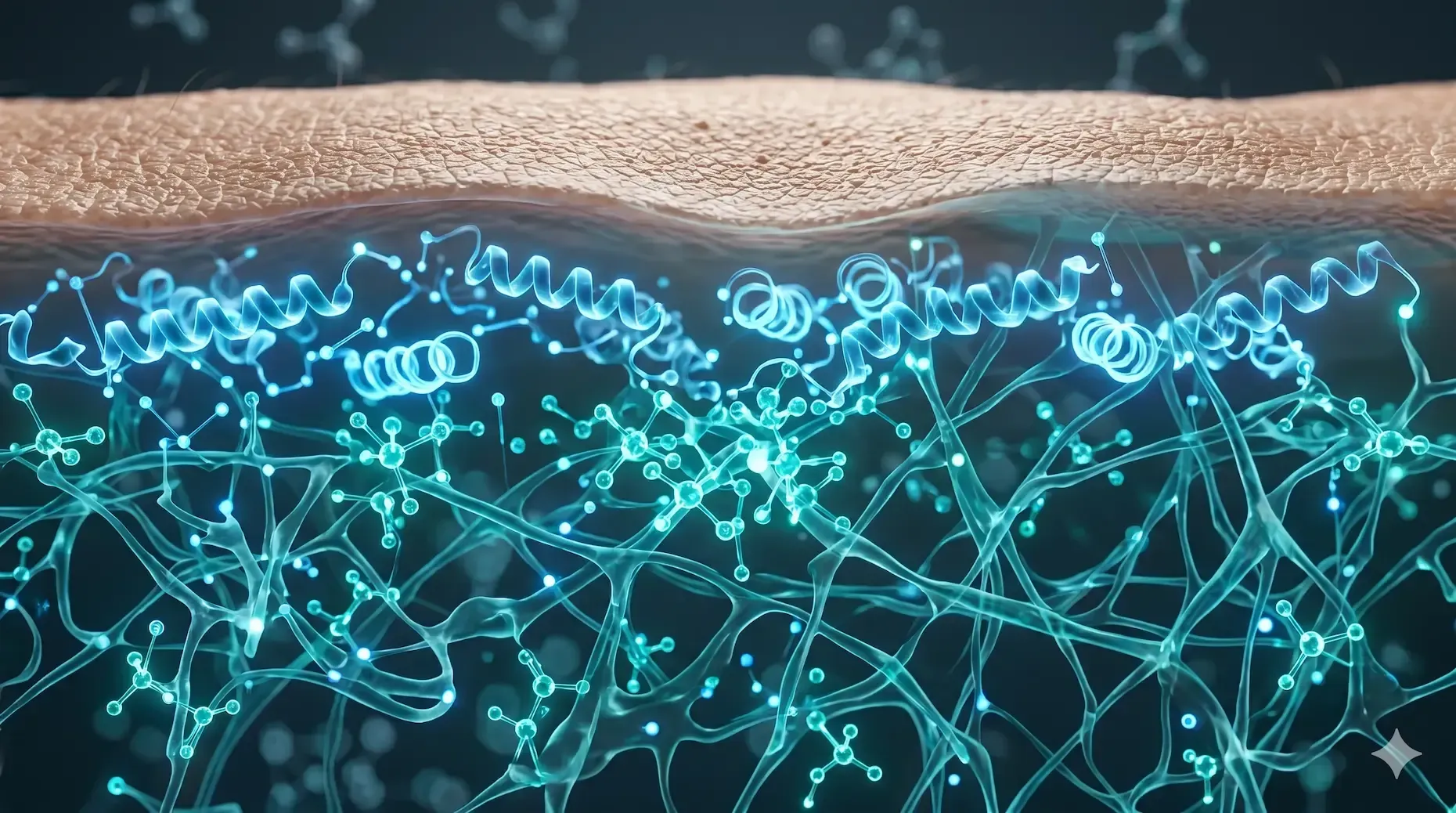
The GLOW Blend is a three-peptide research stack combining GHK-Cu (copper tripeptide-1), TB-500 (a synthetic analogue of Thymosin Beta-4), and BPC-157 (Body Protection Compound-157). Rather than targeting a single tissue or outcome, this combination is designed around complementary mechanisms: copper-mediated tissue remodeling, actin-driven cellular mobility and repair, and gastroprotective signaling with broad systemic effects on healing and inflammation.
Each compound in the stack has its own research history. What makes the GLOW Blend distinct as a formulation is the rationale for combining them. Each peptide addresses a different stage or pathway of the repair and regeneration cascade, creating coverage that no single compound achieves alone.
Understanding what this stack is and what it is not requires looking at the individual compounds first, then at how their mechanisms interact. If you are new to peptides as a class of signaling molecules, the what are peptides guide on this site establishes the foundational biology before you go further.
GHK-Cu is a naturally occurring tripeptide (glycyl-L-histidyl-L-lysine) complexed with copper ions. It is present in human plasma and declines with age, and it has accumulated one of the more substantial bodies of research among cosmeceutical and regenerative peptides [1][2].
At the cellular level, GHK-Cu stimulates collagen and glycosaminoglycan synthesis, modulates matrix metalloproteinase activity, attracts immune and endothelial cells to sites of injury, and demonstrates anti-inflammatory and antioxidant properties [2][3].
Animal work has documented accelerated wound healing and increased connective tissue accumulation following GHK-Cu application. In a rat wound model, the tripeptide-copper complex measurably increased connective tissue deposition in vivo [4]. Research published in the International Journal of Molecular Sciences reports that GHK-Cu appears to influence the expression of thousands of human genes, with effects oriented toward resetting cellular function toward healthier baseline states [1]. Broader reviews of tripeptides in wound healing place GHK-Cu within that wider class [5].
In the context of the GLOW Blend, GHK-Cu provides the remodeling and tissue-quality layer of the stack. Its role is less about acute injury repair and more about ongoing collagen homeostasis, skin density, and anti-aging at the extracellular matrix level. For the compound on its own, including carrier peptide chemistry and skincare applications, see GHK-Cu mechanisms and anti-aging research.
TB-500 is a synthetic peptide derived from Thymosin Beta-4, a naturally occurring protein found in virtually all human and animal cells. The specific fragment used in TB-500 corresponds to the actin-binding domain of Thymosin Beta-4, which is the region responsible for its regenerative activity [6][12].
Thymosin Beta-4 regulates actin polymerization, a fundamental process in cell migration, tissue repair, and new blood vessel formation. By sequestering G-actin and preventing premature filament formation, it controls how cells move and respond to injury signals [6][8][10]. In research contexts, TB-500 has been studied for its effects on wound healing, cardiac tissue repair, tendon and ligament recovery, and neurological protection [7][8].
Animal model studies have shown that Thymosin Beta-4 promotes angiogenesis, accelerates wound closure, and supports regeneration in muscle and connective tissue. In rodents, including aged animals, it promoted angiogenesis, wound repair, and hair growth [9]. In diabetic and aged mice, both the full peptide and a synthetic fragment containing its actin-binding domain promoted dermal wound repair [12]. After muscle injury, Thymosin Beta-4 acts as a chemoattractant that draws myoblasts toward the damaged site [11].
In the GLOW Blend stack, TB-500 primarily contributes systemic mobility to repair processes, facilitating cell migration toward injury sites and promoting the vascular supply that newly forming tissue requires to survive and integrate. For how TB-500 differs from other healing peptides and where its evidence is strongest, take a deeper look at TB-500 research.
BPC-157 is a synthetic pentadecapeptide derived from a protein sequence found in human gastric juice. It consists of 15 amino acids and has no known endogenous counterpart at this exact sequence, though it is considered a partial sequence of Body Protection Compound, a protein involved in gastrointestinal mucosal protection.
BPC-157 has the most extensive preclinical research base of the three compounds in the GLOW Blend. Animal studies have examined its effects across tendon and ligament healing, muscle repair, bone regeneration, gut mucosal protection, and reduction of systemic inflammation [13][19]. Two 2025 reviews collect this literature for musculoskeletal applications specifically [13][14].
The proposed mechanisms underlying BPC-157's breadth of effect include upregulation of growth hormone receptors in tendon fibroblasts [16], interaction with the vascular endothelial growth factor system and standard angiogenic growth factors [19], and cytoprotective activity across multiple tissue types [13]. Its effect on angiogenesis aligns closely with Thymosin Beta-4's mechanisms, suggesting the two compounds may act on overlapping vascular pathways [19].
In tendon models, BPC-157 accelerated healing of transected rat Achilles tendon and stimulated tendocyte growth in vitro [17], promoted tendon-to-bone healing after Achilles detachment while opposing corticosteroid-driven aggravation [18], and supported tendon outgrowth, cell survival, and cell migration [15].
Human clinical trials for BPC-157 remain limited. Most of the evidence base is from rodent studies, which, while extensive and often compelling, cannot be directly extrapolated to human outcomes without reservation [13][14]. This is the central caveat that any honest discussion of BPC-157 must acknowledge. For the regulatory picture alongside a breakdown of what the BPC-157 human trials show, including FDA and WADA status, see the dedicated safety review.
In the GLOW Blend, BPC-157 functions as the broad-spectrum repair signal, targeting connective tissue integrity, gut-systemic axis health, and inflammation control across the body.
The GLOW Blend rationale rests on mechanistic complementarity. Each compound addresses a different layer of the healing and anti-aging cascade.
BPC-157 initiates and amplifies repair signaling broadly across tissues, with particular strength in connective tissue and the gut-systemic axis [13][19]. TB-500 supports the cellular mobility and vascular supply that allow repair to proceed. Without adequate angiogenesis and cell migration, tissue regeneration stalls [8][9]. GHK-Cu then acts at the remodeling phase, supporting collagen quality, extracellular matrix organization, and long-term tissue density [3][4].
In practice, this creates a stack where one compound activates repair signaling, another supports the infrastructure for that repair to occur, and a third improves the structural quality of the tissue being rebuilt. A 2025 narrative review of peptide therapy for ligaments and tendons covers both BPC-157 and TB-500 in this context [20].
It is worth noting that there are no published clinical trials studying this specific three-compound combination. The synergy rationale is mechanistically plausible and consistent with how each compound's individual pathways interact, but it remains extrapolated from component-level research rather than confirmed in controlled human trials. If you are working out units for a combined vial, the BPC-157 and TB-500 blend calculator handles the two-compound math directly.
This is the most consistently supported application across all three compounds. BPC-157's effects on tendon fibroblast proliferation and growth hormone receptor upregulation have been documented across multiple animal studies [15][16][17][18]. Thymosin Beta-4's actin-binding mechanism has documented support for muscle fiber repair and connective tissue regeneration in preclinical literature [11][12]. GHK-Cu's stimulation of collagen synthesis and metalloproteinase modulation adds the structural remodeling component [2][4].
The combined effect on connective tissue recovery across tendons, ligaments, muscle, and fascia represents the most evidence-aligned application for this stack [20].
GHK-Cu carries the strongest evidence base for anti-aging outcomes within this stack [2][3]. Reviews of copper peptide research document skin regenerative effects and collagen synthesis stimulation, with animal model evidence for improved skin density [1][3]. Broader tripeptide reviews situate these findings in the wider wound healing and skin regeneration literature [5].
BPC-157 contributes to this angle through its cytoprotective and anti-inflammatory mechanisms. Chronic low-grade inflammation is a known driver of accelerated tissue aging, and BPC-157's capacity to modulate inflammatory signaling may reduce this burden systemically [13]. Thymosin Beta-4's role in angiogenesis supports nutrient delivery to skin and connective tissue, which is relevant to skin quality over time [9].
All three compounds have demonstrated anti-inflammatory properties in preclinical research, acting through distinct pathways. BPC-157 modulates inflammatory signaling across multiple tissue types [13][19]. Thymosin Beta-4 reduces inflammatory activity in injured tissue, and reviews of its repair mechanisms across tissue injuries document this anti-inflammatory component [8][10]. GHK-Cu inhibits excess production of pro-inflammatory compounds and modulates metalloproteinase activity in a manner that reduces inflammatory tissue breakdown [2][3].
The convergence of three anti-inflammatory mechanisms across different signaling pathways is one of the more compelling theoretical arguments for this combination in the context of systemic aging.
BPC-157 has particular strength in the gastrointestinal literature. Reviews document its protective effects on gastric mucosa and its acceleration of gut wound healing, drawing explicit parallels between gastrointestinal healing and tendon, ligament, muscle, and bone healing [19]. There is emerging research interest in the gut-systemic axis, the idea that gut mucosal integrity has downstream effects on inflammation, immune function, and overall tissue health, which provides a biological framework for why gut-targeted peptide activity might produce systemic benefits.
This is not an established clinical outcome for the GLOW Blend specifically, but it is a mechanistically coherent rationale present in the BPC-157 literature [13][19].
The GLOW Blend does not have a standardized clinical dosing protocol, and no human trial has established a dose for this combination. What circulates in biohacking education literature is extrapolated from animal research and anecdotal reporting rather than from clinical dose-finding work.
Because no verified human dosing framework exists for this stack, this guide does not publish dose ranges. If you are working with a licensed provider on a research peptide protocol, accurate dosing math matters significantly. Small errors in reconstitution or unit conversion produce meaningful concentration differences. The peptide dosage calculator on this site is built specifically for this math, covering vial size, reconstitution volume, and target dose calculations. The peptide reconstitution guide covers the technical fundamentals of sterile preparation and storage.
The absence of human clinical dosing data for this specific combination is a meaningful limitation that anyone approaching this stack should understand clearly.
The most significant risk associated with the GLOW Blend is not pharmacological, it is epistemic. The evidence base for all three compounds is primarily preclinical. Animal model results, even when robust and replicated, do not guarantee equivalent outcomes in humans. Recent reviews of BPC-157 emphasize how limited the human trial record remains [13][14]. Thymosin Beta-4 has some human clinical development history but limited outcome data [7]. GHK-Cu has more human-applicable research than the other two, primarily in dermatological contexts [2][3].
Representing this stack as having confirmed human efficacy would misrepresent the state of the science. It has a plausible and well-theorized mechanism base with strong preclinical signal, and that is a meaningful distinction from proven clinical benefit.
All three compounds in the GLOW Blend are research peptides sold for laboratory use. They are not pharmaceutical-grade drugs, and the purity, concentration, and sterility standards vary significantly across the market. Contaminated or mislabeled peptide products carry real risks including infection from non-sterile injectables, incorrect concentration leading to dosing error, and presence of toxic synthesis byproducts.
Sourcing from vendors who provide independent third-party testing, lot-specific certificates of analysis, and documented manufacturing standards is the minimum reasonable standard for anyone working with these compounds in a research context. Those criteria, and how each supplier we track scores against them, are on our rating methodology page. Our Limitless Biotech testing and sourcing review walks through how one supplier stocking BPC-157 and TB-500 performs against them.
All three compounds in this stack are typically administered via subcutaneous injection in research contexts. This route carries inherent risks including injection site reactions, infection from non-sterile technique, bruising, and, in the event of product quality issues, more serious adverse events. These risks are minimized by sterile preparation, proper technique, and qualified oversight.
The GLOW Blend combines three compounds with broad biological activity across multiple systems. Individuals with autoimmune conditions, active cancers, or on immunosuppressive medications should approach this stack with particular caution. The wide-ranging effects of these peptides on tissue growth signaling, angiogenesis, and immune modulation create theoretical interaction risks in these populations that have not been formally studied.
The GLOW Blend occupies a specific position in the peptide research landscape. It is not a cosmetic formulation. It is not a pharmaceutical drug. It is a three-compound research stack with mechanistically coherent theoretical rationale, a solid preclinical evidence base across its component peptides, and a meaningful gap in human clinical validation.
For readers building a broader framework for understanding how peptides are studied and applied, the peptide therapy guide explains mechanisms, use case categories, and research frameworks in detail.
The GLOW Blend is best understood as a research-oriented protocol for individuals working with qualified providers who understand both the potential and the limitations of the current evidence base. It is not appropriate for unsupervised self-experimentation, and it is not a substitute for established medical treatment where that treatment is clinically indicated.
Project Biohacking provides independent, research-informed content on peptides. We do not sell products, diagnose conditions, or create clinical protocols.
If you are working with a licensed provider on a peptide research protocol involving compounds like GHK-Cu, TB-500, or BPC-157, sourcing quality matters. Our rating methodology page sets out what we assess, including third-party testing, lot-specific certificates of analysis and laboratory independence, and publishes what each supplier scored. The peptide vendor directory lists those suppliers with their current discount codes.
All products discussed are research chemicals only, not for human consumption. Always consult a licensed healthcare professional before beginning any peptide protocol.
The GLOW Blend is a three-peptide research stack combining GHK-Cu (copper tripeptide-1), TB-500 (a synthetic Thymosin Beta-4 fragment), and BPC-157 (Body Protection Compound-157), designed to support systemic tissue repair, healing, and anti-aging through complementary biological mechanisms.
GHK-Cu supports collagen remodeling, extracellular matrix repair, and anti-aging at the tissue level. TB-500 promotes cell migration, angiogenesis, and connective tissue regeneration through actin regulation. BPC-157 provides broad-spectrum repair signaling across connective tissue, gut mucosa, and inflammatory pathways.
Each compound targets a different phase of the repair and regeneration cascade. BPC-157 initiates repair signaling, TB-500 supports the cellular mobility and vascular infrastructure needed for repair to proceed, and GHK-Cu improves the structural quality of the tissue being rebuilt.
There are no published clinical trials studying this specific three-compound combination in humans. The evidence base is primarily preclinical, drawn from animal model research on each individual compound. GHK-Cu has the most human-applicable research, primarily in dermatological contexts.
Key risks include the extrapolation from animal to human outcomes, product quality variation across unregulated research peptide markets, injectable administration risks from non-sterile technique, and potential interaction effects in individuals with autoimmune conditions or on immunosuppressive medications.
All three compounds are typically administered via subcutaneous injection in research contexts. Administration should only be undertaken under qualified medical supervision using sterile technique and pharmaceutical or verified research-grade products.
BPC-157 modulates chronic inflammatory signaling through nitric oxide pathways and cytokine activity. Since chronic low-grade inflammation is a documented driver of accelerated tissue aging, BPC-157's anti-inflammatory mechanisms contribute to the stack's systemic anti-aging rationale alongside GHK-Cu's direct collagen support.
Research peptides should be sourced from verified suppliers with independent third-party testing, lot-specific certificates of analysis, and documented sterility standards. Product quality varies significantly across the market, and contaminated or mislabeled products carry serious health risks.
Discovery, plasma decline, and foundational biology
Pickart, L., & Margolina, A. (2018). Regenerative and Protective Actions of the GHK-Cu Peptide in the Light of the New Gene Data. International Journal of Molecular Sciences, 19(7), 1987. PMC6073405.
Pickart, L., Vasquez-Soltero, J. M., & Margolina, A. (2015). GHK Peptide as a Natural Modulator of Multiple Cellular Pathways in Skin Regeneration. BioMed Research International, 2015, 648108. PMC4508379.
Skin remodeling and anti-aging
Pickart, L., & Margolina, A. (2018). Skin Regenerative and Anti-Cancer Actions of Copper Peptides. Cosmetics, 5(2), 29. doi:10.3390/cosmetics5020029.
Collagen, extracellular matrix, and wound healing
Maquart, F. X., Bellon, G., Chaqour, B., Wegrowski, J., et al. (1993). In vivo stimulation of connective tissue accumulation by the tripeptide-copper complex glycyl-L-histidyl-L-lysine-Cu2+ in rat experimental wounds. The Journal of Clinical Investigation, 92(5), 2368-2376. PMID: 8227353.
Tripeptides in wound healing and skin regeneration - broader review
Adnan, S. B., Maarof, M., Fauzi, M. B., & Fadilah, N. I. M. (2025). Exploring the Role of Tripeptides in Wound Healing and Skin Regeneration: A Comprehensive Review. International Journal of Medical Sciences, 22(16), 4175-4200. PMC12595317.
Core biology, actin-binding mechanism, and clinical potential
Goldstein, A. L., Hannappel, E., Sosne, G., & Kleinman, H. K. (2012). Thymosin β4: a multi-functional regenerative peptide. Basic properties and clinical applications. Expert Opinion on Biological Therapy, 12(1), 37-51. PMID: 22074294.
Updated clinical applications review
Goldstein, A. L., & Kleinman, H. K. (2015). Advances in the basic and clinical applications of thymosin β4. Expert Opinion on Biological Therapy, 15(Suppl 1), S139-S145. PMID: 26096726.
Angiogenesis, wound healing, and cell migration mechanisms
Xing, Y., Ye, Y., Zuo, H., & Li, Y. (2021). Progress on the Function and Application of Thymosin β4. Frontiers in Endocrinology, 12, 767785. PMC8724243.
Wound healing promotion and angiogenesis in rodent models
Philp, D., Goldstein, A. L., & Kleinman, H. K. (2004). Thymosin beta4 promotes angiogenesis, wound healing, and hair follicle development. Mechanisms of Ageing and Development, 125(2), 113-115. PMID: 15037013.
Actin-binding domain and cell migration - mechanism review
Sosne, G., & Kleinman, H. K. (2015). Primary Mechanisms of Thymosin β4 Repair Activity in Dry Eye Disorders and Other Tissue Injuries. Investigative Ophthalmology & Visual Science, 56(9), 5110-5117. PMID: 26241398.
Muscle injury chemoattractant and myoblast migration
Tokura, Y., Nakayama, Y., Fukada, S., Nara, N., et al. (2011). Muscle injury-induced thymosin β4 acts as a chemoattractant for myoblasts. Journal of Biochemistry, 149(1), 43-48. PMID: 20880960.
Dermal wound repair in diabetic and aged animal models
Philp, D., Badamchian, M., Scheremeta, B., et al. (2003). Thymosin beta 4 and a synthetic peptide containing its actin-binding domain promote dermal wound repair in db/db diabetic mice and in aged mice. Wound Repair and Regeneration, 11(1), 19-24. PMID: 12581423.
Comprehensive musculoskeletal narrative review
McGuire, F. P., Martinez, R., Lenz, A., Skinner, L., et al. (2025). Regeneration or Risk? A Narrative Review of BPC-157 for Musculoskeletal Healing. Current Reviews in Musculoskeletal Medicine, 18(12), 611-619. PMC12446177.
Systematic review - orthopaedic sports medicine
Vasireddi, N., Hahamyan, H., Salata, M. J., Karns, M., et al. (2025). Emerging Use of BPC-157 in Orthopaedic Sports Medicine: A Systematic Review. HSS Journal, 21(4), 15563316251355551. PMC12313605.
Tendon healing - Achilles transection model and fibroblast mechanism
Chang, C. H., Tsai, W. C., Lin, M. S., Hsu, Y. H., et al. (2011). The promoting effect of pentadecapeptide BPC 157 on tendon healing involves tendon outgrowth, cell survival, and cell migration. Journal of Applied Physiology, 110(3), 774-780. PMID: 21030672.
Growth hormone receptor upregulation in tendon fibroblasts
Chang, C. H., Tsai, W. C., Hsu, Y. H., & Pang, J. H. (2014). Pentadecapeptide BPC 157 enhances the growth hormone receptor expression in tendon fibroblasts. Molecules, 19(11), 19066-19077. PMC6271067.
Achilles tendon transection and biomechanical recovery
Staresinic, M., Sebecic, B., Patrlj, L., Jadrijevic, S., et al. (2003). Gastric pentadecapeptide BPC 157 accelerates healing of transected rat Achilles tendon and in vitro stimulates tendocytes growth. Journal of Orthopaedic Research, 21(6), 976-983. PMID: 14554208.
Tendon-to-bone healing and corticosteroid opposition
Krivic, A., Anic, T., Seiwerth, S., Huljev, D., et al. (2006). Achilles detachment in rat and stable gastric pentadecapeptide BPC 157: Promoted tendon-to-bone healing and opposed corticosteroid aggravation. Journal of Orthopaedic Research, 24(5), 982-989. PMID: 16583442.
Angiogenesis, gastrointestinal healing, and cross-tissue consistency
Seiwerth, S., Rucman, R., Turkovic, B., Sever, M., et al. (2018). BPC 157 and Standard Angiogenic Growth Factors. Gastrointestinal Tract Healing, Lessons from Tendon, Ligament, Muscle and Bone Healing. Current Pharmaceutical Design, 24(18), 1972-1989. PMID: 29998800.
Peptide therapy for ligaments and tendons - narrative review including BPC-157 and TB-500
Kim, G., Fang, W., Chung, J., et al. (2025). Application of peptide therapy for ligaments and tendons: A narrative review. Journal of Orthopaedic Reports, 100791. doi:10.1016/j.jorep.2025.100791.
All references are for educational purposes only. This content does not constitute medical advice. All peptides discussed are research chemicals. Always consult a licensed healthcare provider before beginning any peptide protocol.

About the Author:
Jeff Nunn is the founder of Project Biohacking. With over 30 years of biohacking practice, he applies decades of self-experimentation methodology to peptide research, dosing math, and vendor evaluation.
Important Disclaimer: The content on Project Biohacking is for educational and informational purposes only and is not intended as medical advice, diagnosis, or treatment. Always consult a qualified healthcare professional before making any changes to your health regimen, starting new supplements, peptides, or protocols. Nothing on this site establishes a doctor–patient relationship, and you use the information at your own risk. Research compounds discussed here are sold for laboratory research purposes only and are not approved for human or veterinary use or consumption.
“For educational use only. Not medical advice. Read our full disclaimer.”
+1 214-278-4039
All Rights Reserved | Project Biohacking