
About the Author:
Jeff Nunn is the founder of Project Biohacking. With over 30 years of biohacking practice, he applies decades of self-experimentation methodology to peptide research, dosing math, and vendor evaluation.
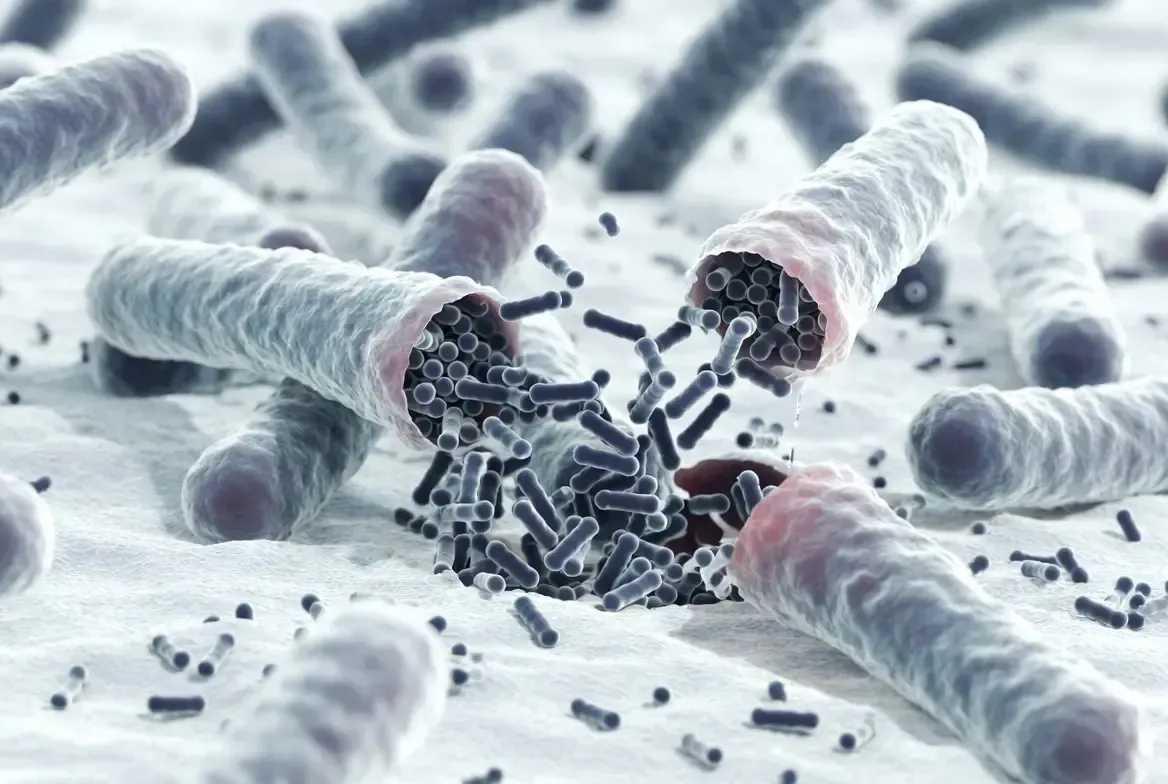
Cellular peptides are short chains of amino acids that operate inside your cells.
They act as:
Because of their size, they work faster and more precisely than larger proteins, helping control how your body responds, repairs, and adapts.
Cellular peptides are part of a broader category of signaling compounds often discussed within peptide therapy, where the focus is on how specific peptides interact with biological systems at a targeted level. Understanding this foundation makes it easier to see why certain peptides are studied for their precision and specificity.
“Cellular” refers to anything happening at the level of your cells.
Every major biological process depends on this level:
If something affects your cells, it affects your entire system.
Peptides are made from amino acids:
Their smaller size allows them to:
Peptides act more like instructions, while proteins act more like machinery.
Cellular peptides regulate:
They don’t just support the system they control how and when processes happen. Many of the functions tied to cellular peptides like repair, signaling, and regulation are the same mechanisms explored in specific compounds such as BPC-157 and TB-500. These peptides are often referenced in research discussions because of how they interact with tissue response and cellular communication pathways.
For a peptide to work, it must reach its target.
This process is called cellular uptake. Cellular uptake is one of the most important variables in peptide effectiveness. The way a peptide binds, enters, and interacts with a cell ultimately determines how it performs—something that becomes more apparent when comparing different compounds used in peptide therapy.
Peptides can enter cells through:
Uptake determines:
This is one of the most important factors in peptide research and application.
Not all cellular peptides do the same thing. Different categories exist based on function.
These peptides help defend against pathogens.
They:
They are being studied as alternatives to traditional antibiotics.
Some peptides influence regeneration and repair pathways.
They may:
Research in this area is focused on recovery and regenerative biology.
Some well-known peptides are used in metabolic regulation.
Semaglutide is a peptide that:
It’s an example of how cellular peptides can be applied in targeted ways.
Cellular peptides are part of your body’s control system.
When functioning properly:
When disrupted:
Because cellular peptides are sold as research compounds, what is actually in the vial varies between sellers. A vendor that publishes per-batch third-party testing is the single best safeguard, and the Biolongevity Labs review sets out what theirs covers and where the panel stops.
Biolongevity Labs stocks compounds that most other vendors do not carry. The Project Biohacking code PROBIO15 takes 15 percent off at checkout, as listed on
Biolongevity Labs' PROBIO15 page.
Your body produces peptides using genetic instructions. Some of those instructions include a built-in address tag called a signal peptide that routes a finished protein to the right place. See our guide on how signal peptides are identified.
The process:
This cycle keeps biological systems responsive and efficient.
Because peptide structure directly affects function, precision matters when working with them. Tools like a peptide dosing calculator are designed to help standardize measurements and improve consistency when analyzing peptide-related protocols.
Scientists study peptides based on:
This data helps identify:
Not all peptides are useful.
Researchers look for peptides that are:
High-throughput screening allows scientists to evaluate large numbers of peptides quickly.
Cellular peptides are being explored in:
They are studied because they can interact precisely with biological systems.
Cost varies widely depending on:
Research-grade peptides and therapeutic peptides can differ significantly in pricing due to quality control and production methods.
Peptides are developed and supplied by specialized companies.
Differences between companies often come down to:
For research and educational purposes, sourcing and validation matter more than branding.
Think of peptides like a recipe:
Change the sequence, and the function changes.
Research is moving toward:
As understanding improves, peptides are becoming central to how scientists study and influence biology at the cellular level.
Cellular peptides are short chains of amino acids that regulate signaling, repair, and communication within cells.
Peptides enter cells through receptor binding, transport systems, or diffusion, depending on their structure.
Antimicrobial peptides are part of the immune system and help defend against bacteria and other pathogens.
They control communication and response systems inside the body, which are essential for health and function.
Semaglutide is an example of a peptide that influences metabolic signaling pathways.

About the Author:
Jeff Nunn is the founder of Project Biohacking. With over 30 years of biohacking practice, he applies decades of self-experimentation methodology to peptide research, dosing math, and vendor evaluation.
Important Disclaimer: The content on Project Biohacking is for educational and informational purposes only and is not intended as medical advice, diagnosis, or treatment. Always consult a qualified healthcare professional before making any changes to your health regimen, starting new supplements, peptides, or protocols. Nothing on this site establishes a doctor–patient relationship, and you use the information at your own risk. Research compounds discussed here are sold for laboratory research purposes only and are not approved for human or veterinary use or consumption.
“For educational use only. Not medical advice. Read our full disclaimer.”
+1 214-278-4039
All Rights Reserved | Project Biohacking