
About the Author:
Jeff Nunn is the founder of Project Biohacking. With over 30 years of biohacking practice, he applies decades of self-experimentation methodology to peptide research, dosing math, and vendor evaluation.
The overlooked peptide that strengthens immunity, supports longevity, and is backed by decades of global research.
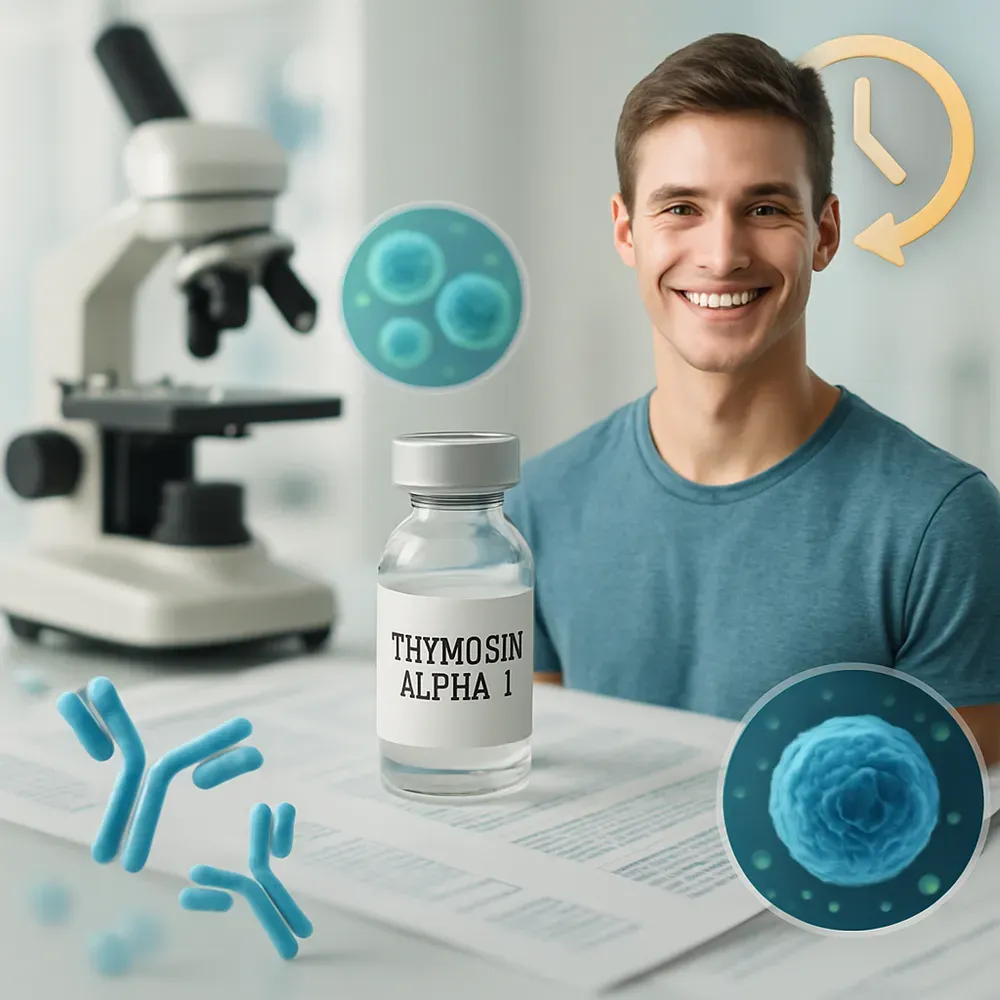
When it comes to immune health and cutting-edge wellness strategies, most people have heard about vitamin D, zinc, or even newer compounds like NAD+. But there's one peptide that's been quietly revolutionizing immune support in medical settings worldwide:
First discovered in the 1970s, this remarkable peptide has since been the subject of over 800 clinical trials across the globe. From hospitals in Italy treating viral infections to cancer centers in China using it as adjunct therapy, TA1 has earned its place as one of the most researched immunomodulating compounds available today.
Yet despite its impressive clinical track record, most people outside of research circles and progressive medical clinics have never heard of it. That's about to change.
Thymosin Alpha-1 is a naturally occurring peptide hormone originally isolated from the thymus gland—that small but crucial organ sitting just behind your breastbone. Think of the thymus as your immune system's boot camp, where T-cells learn to distinguish friend from foe.
As we age, our thymus gradually shrinks (a process called thymic involution), and our natural production of thymosin peptides declines. This is one reason why older adults become more susceptible to infections and have slower recovery times.
TA1 consists of just 28 amino acids, but don't let its size fool you. This small peptide punches well above its weight class when it comes to immune function.
Here's where things get interesting from a biological standpoint. TA1 doesn't just generically "boost" your immune system—it actually helps regulate and optimize it.
The peptide works by binding to specific receptors on immune cells, particularly T-helper cells and regulatory T-cells. When TA1 attaches to these cells, it triggers a cascade of beneficial responses:
The research on Thymosin Alpha-1 is extensive and spans multiple decades. Here are some of the most compelling findings from peer-reviewed studies:
Multiple studies have demonstrated TA1's effectiveness against various viral infections. In hepatitis B trials, patients receiving TA1 showed significantly improved viral clearance rates compared to control groups. Similar results have been observed with hepatitis C and even more recent research into respiratory viral infections.
The peptide appears to work by enhancing the body's natural antiviral defenses rather than directly attacking viruses—a strategy that makes it less likely for pathogens to develop resistance.
Perhaps most impressively, TA1 has shown promise as an adjuvant therapy in cancer treatment. Several clinical trials have found that cancer patients receiving TA1 alongside conventional treatments experienced improved outcomes, including better survival rates and reduced treatment-related side effects.
The mechanism here involves TA1's ability to enhance the immune system's surveillance function, helping it better recognize and eliminate abnormal cells before they can establish tumors.
Interestingly, TA1 has also shown benefits for certain autoimmune conditions. Rather than suppressing immune function (like many conventional treatments), TA1 appears to help restore immune balance by reducing harmful autoimmune responses while maintaining protective immunity. Thymosin alpha-1 is one of several peptides researchers examine for immune signaling, and work on VIP peptide and immune modulation explores a different route, an anti-inflammatory neuropeptide investigated in preclinical autoimmune models.
Emerging research suggests that TA1 may have broader anti-aging effects beyond immune function. Studies in older adults have shown improvements in various biomarkers associated with healthy aging, including enhanced vaccine responses and reduced inflammatory markers.
Biohackers frequently stack TA1 alongside telomere-targeting peptides, see our Epithalon biohacking guide for how these two longevity compounds are combined in practice.
Based on clinical research and practitioner experience, TA1 is typically administered via subcutaneous injection. The most common dosing protocols include:
It's crucial to note that TA1 should only be used under medical supervision. A qualified healthcare provider can help determine the most appropriate protocol based on individual health status and goals.
One of TA1's most attractive features is its excellent safety profile. Clinical trials have reported minimal side effects, with the most common being mild irritation at the injection site.
However, like any bioactive compound, TA1 isn't appropriate for everyone. Individuals with active autoimmune conditions should exercise particular caution, and pregnant or breastfeeding women should avoid use entirely.
TA1 may be particularly beneficial for:
As our understanding of immunology continues to evolve, TA1 is likely to play an increasingly important role in personalized medicine approaches. Current research is exploring its potential applications in a range of conditions, from neurodegenerative diseases to metabolic disorders.
The peptide's ability to modulate rather than stimulate immune function makes it particularly intriguing for an aging population facing the complex challenge of immune senescence—the gradual decline in immune function that accompanies aging.
Thymosin Alpha-1 has the strongest human data of any peptide in the current dispute. It sits on the FDA peptide litigation track with a 2027 court deadline.
If you're considering TA1 as part of your health optimization strategy, the first step is finding a knowledgeable healthcare provider familiar with peptide therapies. Many functional medicine doctors, anti-aging specialists, and integrative practitioners now offer TA1 as part of comprehensive wellness protocols.
Quality matters significantly with peptides. Ensure that any TA1 you use comes from a reputable compounding pharmacy or research facility that has proper testing and quality assurance protocols in place.
Remember, while TA1's research profile is impressive, it's not a magic bullet. The best results typically come when it's used as part of a comprehensive approach that includes proper nutrition, regular exercise, adequate sleep, and stress management.
The science behind Thymosin Alpha-1 continues to unfold, but one thing is clear: this remarkable peptide has earned its place as one of the most promising tools in the modern immune health toolkit. As more practitioners and patients discover its benefits, TA1 may well become as commonplace as today's standard supplements and with good reason.
Thymosin Alpha-1 is sold as a research peptide, and not every supplier carries it. It sits outside the common repair and recovery compounds, so the field narrows to vendors running a broader catalog.
Biolongevity Labs lists Thymosin Alpha-1 at 10mg. Use the Project Biohacking Biolongevity Labs coupon PROBIO15 at checkout for 15 percent off.
Thymosin Alpha-1 represents just one piece of the complex biohacking puzzle. While the research is compelling, navigating peptide therapies, dosing protocols, and integrating them with your existing health stack requires expertise and personalized guidance.
At Project Biohacking, we specialize in evidence-based optimization strategies that go far beyond generic advice. Our certified coaches work with high-performers, entrepreneurs, and health enthusiasts who demand results—not guesswork.
Don't waste months experimenting on yourself or following one-size-fits-all approaches. Get the personalized roadmap that accelerates your results while ensuring safety and sustainability.
Schedule Your Coaching Session →
Limited spots available. We only work with serious individuals committed to transforming their health and performance.
Thymosin Alpha-1 (TA1) is a naturally occurring peptide hormone from the thymus gland that regulates immune function. It works by binding to T-cell receptors, enhancing immune cell communication, balancing cytokine production, and improving the body's ability to identify and eliminate threats while preventing autoimmune reactions.
Clinical studies show TA1 supports viral infection recovery, enhances cancer therapy outcomes, helps manage certain autoimmune conditions, improves vaccine responses, and may support healthy aging. Over 800 clinical trials have demonstrated its effectiveness across multiple health applications.
TA1 is administered via subcutaneous injection, typically at 1.6mg doses. Common protocols include twice weekly for general immune support, daily during acute infections, and once or twice weekly for longevity protocols. Treatment duration ranges from 3-6 months with maintenance phases.
TA1 has an excellent safety profile with minimal reported side effects in clinical trials. The most common side effect is mild injection site irritation. However, it should be used under medical supervision and avoided by pregnant/breastfeeding women and those with active autoimmune conditions.
TA1 may benefit adults over 40 experiencing immune decline, individuals with recurrent infections, those seeking to optimize vaccine responses, cancer patients (under medical supervision), and people interested in evidence-based longevity protocols. Medical consultation is essential before starting.

About the Author:
Jeff Nunn is the founder of Project Biohacking. With over 30 years of biohacking practice, he applies decades of self-experimentation methodology to peptide research, dosing math, and vendor evaluation.
Important Disclaimer: The content on Project Biohacking is for educational and informational purposes only and is not intended as medical advice, diagnosis, or treatment. Always consult a qualified healthcare professional before making any changes to your health regimen, starting new supplements, peptides, or protocols. Nothing on this site establishes a doctor–patient relationship, and you use the information at your own risk. Research compounds discussed here are sold for laboratory research purposes only and are not approved for human or veterinary use or consumption.
“For educational use only. Not medical advice. Read our full disclaimer.”
+1 214-278-4039
All Rights Reserved | Project Biohacking