
About the Author:
Jeff Nunn is the founder of Project Biohacking. With over 30 years of biohacking practice, he applies decades of self-experimentation methodology to peptide research, dosing math, and vendor evaluation.
A grounded look at how peptides interact with female physiology, from skin and hormones to metabolism, mood, and recovery.
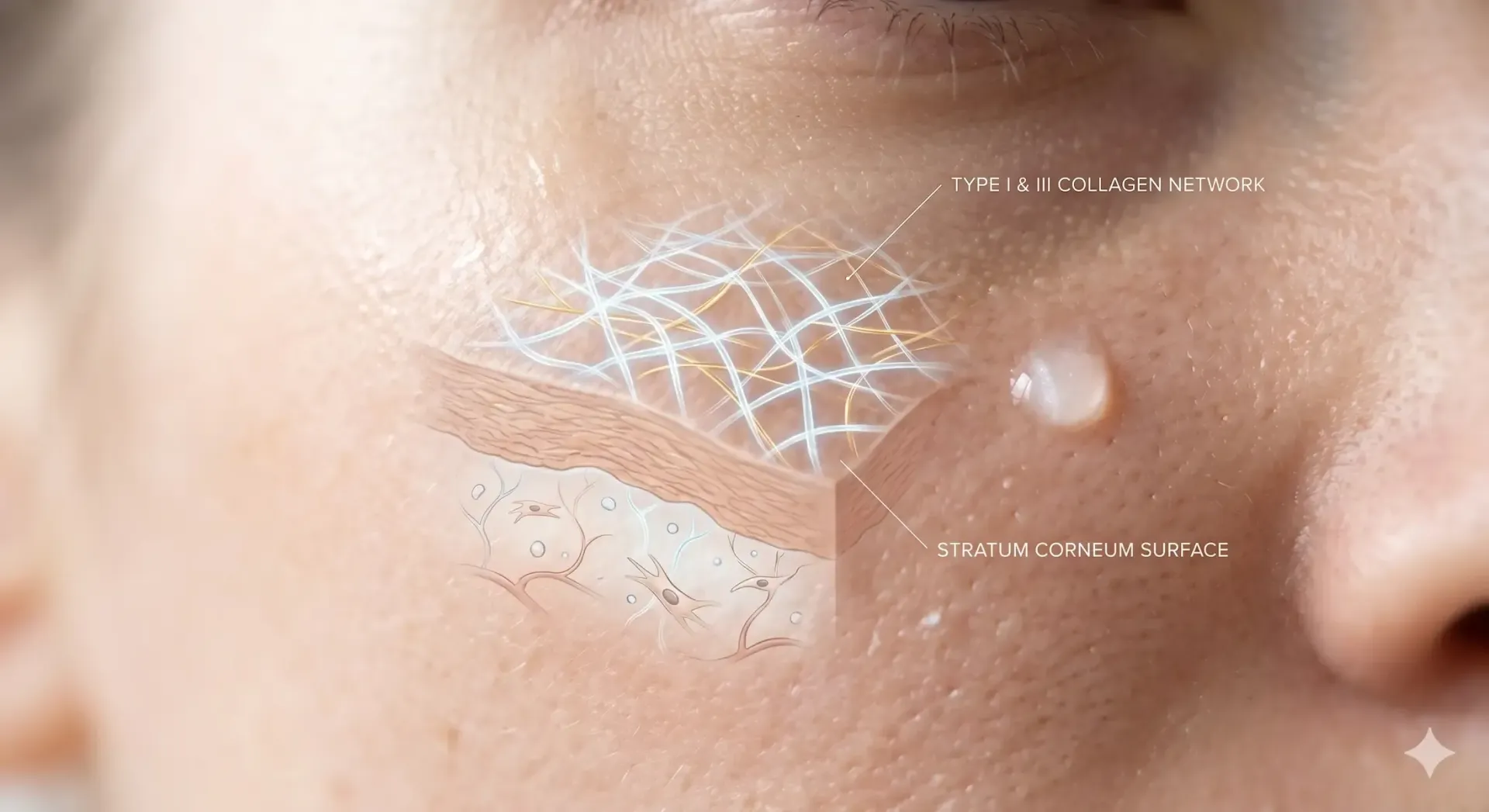
Peptides have moved from research labs into mainstream conversation. Many women are exploring them as tools to support skin, hormones, and recovery as they age.
A peptide is a short chain of amino acids. It is smaller than a full protein, and it acts as a signal that tells cells what to do. Several peptides are studied for how they interact with female physiology, which differs from male biology in hormone cycles, body composition, and tissue maintenance.
The science is still developing. Results vary by compound, by dose, and by the individual. This article walks through the categories of peptide benefits for women that researchers and clinicians discuss most often, the mechanisms behind them, and the limits of current evidence. It also covers safety, contraindications, and how to evaluate the research yourself.
This is not medical advice. Anyone considering peptide therapy should work with a qualified clinician, review the published research, and understand that most peptides remain in research or off-label status in the United States.
Skin is one of the most studied areas for peptide benefits in women. Collagen production drops steadily after the late twenties. The decline speeds up around perimenopause as estrogen falls. The result is thinner human skin, slower wound healing, more visible lines around the eyes and hands, and dryer texture.
Several peptides have been studied for their effect on skin and hair. The most discussed include:
Research suggests these peptides may support skin rejuvenation, reduce the look of wrinkles, and improve skin firmness over time. For a deeper breakdown of the compounds most studied in this category, see our complete guide to peptides for skin. Some women combine peptide protocols with mineral-rich nutrition, vitamin C, and basic sun protection to maximize visible results.
Hair density is another area women track closely, since the same hormonal shifts that thin skin also affect follicle health. For a focused look at the compounds studied for this purpose, see our guide on what peptide grows hair.
It is worth noting that peptide skincare is different from face powder, fashion-driven cosmetics, or generic serums. The active research base is in pharmaceutical-grade compounds, not cosmetic marketing claims. Women interested in this category should review the peer-reviewed literature on the specific compound, since long-term human data is still maturing.
Female hormones shift across the menstrual cycle, adolescence, pregnancy, perimenopause, and old age. Peptides are being explored for how they interact with this system.
Growth hormone secretagogues such as Sermorelin, Ipamorelin, and Tesamorelin act on the pituitary gland. They encourage natural growth hormone release rather than introducing growth hormone directly. This matters for women because growth hormone influences:
These peptides do not replace estrogen, and they are not the same as conventional hormone therapy. They are sometimes discussed alongside hormone replacement protocols in clinical settings, but they serve a different role. For a broader look at how peptides interact with growth hormone, testosterone, and endocrine signaling across both sexes, see our guide on peptides that influence the endocrine system.
Other peptides influence appetite, satiety, and metabolic signaling. These pathways intersect with how estrogen and testosterone shape female physiology. Testosterone in women is present at much lower levels than in men, but it still plays a role in libido, lean tissue, and mood. Follicle-stimulating hormone (FSH) and luteinizing hormone are also part of the endocrine picture, particularly for women navigating fertility and reproduction questions.
The endocrine system is tightly regulated, and hormones interact with cancer risk, cardiovascular health, and metabolic disease. This is the category where clinician oversight matters most. Self-experimentation with hormone-adjacent peptides carries real risk.
Body composition shifts in women across the lifespan, especially after menopause. Peptides studied in this area target several pathways:
Compounds in the GLP-1 family are technically peptide-based, although they sit in a separate regulatory category and are commonly used as a medication for type 2 diabetes and weight loss. Because that drug class carries specific gallbladder and pancreatitis considerations, our analysis of GLP-1 safety, gallbladder, and pancreatitis risk covers what the biliary and pancreatic research shows. For a closer look at how these compounds work and what the research shows, see our complete guide to peptide therapy for weight loss. Other research peptides are studied for their effect on lean muscle, stubborn adipose tissue, and cellular energy.
Skeletal muscle becomes harder to maintain after forty. Peptides that support recovery and protein synthesis may help women who are also strength training and prioritizing protein in their diet. Adequate hydration matters too, since dehydration affects performance, recovery, and how peptides circulate through the body.
Metabolic conditions also matter. Hypothyroidism is far more common in women, and it influences how the body responds to peptides. Baseline thyroid status, vitamin D levels, mineral balance, and iron stores are all worth checking before starting any protocol.
None of this replaces fundamentals. Sleep, food, strength training, and stress management still drive most of the outcome. Peptides, when used, function as a layer on top of these inputs, not a substitute. Energy levels, fatigue, and stamina all tie back to this metabolic picture.
Peptide research extends into the brain. Short chains of amino acids interact with neurotransmitter systems and circadian signaling.
Peptide bioregulators documented in Russian and Eastern European research, including compounds such as Pinealon, have been examined for their effects on:
Other peptides, including DSIP for sleep, are studied specifically for sleep quality and insomnia. For women, sleep disruption around perimenopause and menopause is a frequent complaint. Any tool that supports deeper sleep tends to influence mood, suffering, and energy the next day. Cortisol, the body's primary stress hormone, also shifts with age and chronic stress, which affects everything from belly fat to immune resilience.
Mind, mood, and physical recovery are tightly linked. Improvements in one often show ripple effects in the others. The evidence base here is smaller and more preclinical than for skin or musculoskeletal peptides, and human trials are limited. Outcomes are subjective, so women considering this category benefit from tracking sleep, mood, and energy markers over time rather than relying on feel alone.
Joints stiffen, bones thin, and recovery slows as estrogen drops. Women face higher rates of osteoporosis, fracture, and osteoarthritis than men, which makes this category worth understanding. Joint stiffness, chronic pain, and slower healing after injury are common reasons women look into peptides.
Peptides studied for tissue repair and recovery include:
The research on tissue repair peptides is largely preclinical. Animal models show favorable effects on tendon, ligament, and gut tissue, with limited human data so far. For a closer look at how the BPC-157 and TB-500 stack is studied for accelerated tissue repair, see our protocol breakdown. Some women use these peptides after surgery or injury, while others use them for chronic pain, joint stiffness, or training-related wear.
The immune system also interacts with peptide signaling. Autoimmune conditions are more common in women, and thymic peptides are an area of active research for immune support. As with every other category, individual response varies, and combining peptides with conventional care under medical supervision is the safer path
Gastrointestinal disease, bloating, and gut barrier issues are common concerns for women, especially those dealing with hormonal shifts, food sensitivities, or chronic stress. Some peptides, particularly BPC-157, are studied for their effects on the gut lining and on gastric acid balance.
Liver and kidney function also matter when discussing peptides. The liver processes most compounds the body encounters, and the kidneys filter byproducts. Pre-existing liver disease, kidney issues, or chronic medication use can change how a peptide is metabolized. Women with these conditions should have baseline labs and ongoing monitoring before adding any new compound to their routine.
Common questions in this area include:
These questions are best answered by a qualified healthcare provider who can review your individual case rather than by general guidelines.
Peptide research touches several aspects of reproduction and human sexuality, although the evidence base here is narrow. Some compounds, including PT-141 for sexual wellness, are studied for libido, sexual function, and arousal pathways. Others influence the hypothalamic-pituitary-gonadal axis, which governs FSH, luteinizing hormone, and the menstrual cycle. The same axis drives male reproductive signaling, and the compounds studied there differ from the ones covered here. See peptide benefits specific to men for that side of the research.
Women considering pregnancy, currently pregnant, breastfeeding, or actively trying to conceive should avoid peptide therapy outside of FDA-approved medical indications. The same caution applies during adolescence, since the endocrine system is still developing. For older women navigating menopause, peptide-based approaches are sometimes considered alongside hormone therapy under clinical supervision.
This category requires honesty about evidentiary limits. Many claims in the consumer market lack rigorous human trials, and reproductive physiology is too important to manage with speculation.
The most useful peptide protocols come out of partnerships, not solo experiments. Working with a knowledgeable healthcare provider gives you:
Some women work with telehealth providers, while others prefer in-person clinics or specialty hospitals with experience in hormone therapy and longevity medicine. The right fit depends on your access, budget, and the complexity of your situation. A medical prescription is required for any FDA-approved peptide, and reputable clinics will follow established guidelines rather than improvising.
If your current healthcare provider is not familiar with peptides, a second opinion from a clinician trained in research peptides is reasonable. Communication between you and your provider should be clear, two-way, and grounded in evidence rather than marketing claims.
Most peptides discussed in this space are not FDA-approved for the indications women are exploring. They exist in research, compounded, or off-label categories. The quality of the source matters enormously, and so does your ability to read research with a critical eye.
A useful checklist when reviewing a study or product claim:
Resources like the National Institutes of Health, PubMed, and peer-reviewed journals are stronger sources than vendor blogs or social media testimonials. Look for studies that report both efficacy and adverse effect data, since safety reporting is often the weakest part of peptide marketing.
Peptides are not dietary supplements, and they should not be treated like one. Reported adverse effects vary by compound and route of injection, but common categories include:
Specific contraindications also apply. Women who are pregnant, breastfeeding, or trying to conceive should avoid peptide therapy outside of approved medical indications. A personal or family history of hormone-sensitive cancers calls for extra caution with any peptide that influences growth hormone, IGF-1, or estrogen-related pathways. Active infection, uncontrolled diabetes, severe liver disease, or kidney impairment may also rule out certain compounds.
Regular monitoring through labs and clinical evaluation helps catch problems early. Ongoing reporting of any new symptoms to your provider is part of safe use.
Peptides work best when the foundations are already in place. The everyday-life inputs that drive female health include:
These habits influence cortisol, sleep depth, hormone balance, and recovery in ways that peptides cannot replicate. Adding a peptide to a chaotic lifestyle rarely produces the transformation people hope for. Adding one to a strong foundation may amplify what is already working.
Self-care is not a luxury in this context. It is the floor on which a peptide protocol stands. Women who treat their schedule, learning, and emotional well-being as part of the protocol tend to see more durable results than those who chase compounds alone.
The peptide market includes legitimate compounding pharmacies, research suppliers, and a growing number of unverified online vendors. Source quality affects purity, potency, and whether the product matches what is on the label. Independent testing, third-party verification, and clear sourcing documentation are reasonable expectations.
Working with a clinician familiar with peptide research, establishing baseline labs, and tracking changes over time is the structure most likely to produce useful and safer outcomes. This applies whether you are exploring peptides for skin, body composition, mood, recovery, or any other category.
Considering peptides as part of your health plan?
Peptide protocols deserve the same care and oversight as any clinical decision. If you want a clearer picture of what is appropriate for your goals, hormone status, and life stage, our peptide coaching service walks you through evidence-based options with a clinician-informed framework.
When you are ready to source, each vendor we cover has its own Project Biohacking code. The
list of peptide coupon codes shows what each one takes off.
Peptides are short chains of amino acids that signal specific actions in cells. In women, peptides are studied for effects on skin and collagen, hormone signaling, body composition, sleep, mood, joint and tissue recovery, and immune function. The strongest evidence sits in skin and tissue healing, with other areas still maturing.
Safety depends on the specific peptide, the source, the dose, and the woman's underlying health. Most peptides are not FDA-approved for general wellness use. Women who are pregnant, breastfeeding, or have a history of hormone-sensitive cancers should avoid peptide therapy outside of approved medical indications. Clinician oversight, regular monitoring, and verified sourcing are essential.
Some peptides, including growth hormone secretagogues like Sermorelin and Ipamorelin, and sleep-supportive peptides, are studied in the context of age-related changes that overlap with perimenopause and menopause. Peptides do not replace estrogen and are not the same as hormone therapy, but they are sometimes used alongside it under clinical guidance.
Certain peptides influence appetite, insulin sensitivity, and fat metabolism. The GLP-1 class, while peptide-based, sits in a different regulatory category and is also used for diabetes management. Other research peptides are studied for body composition support, but they work best layered on top of nutrition, strength training, and sleep, not as a replacement for those fundamentals.
Peptides such as GHK-Cu and other signal peptides have been studied for fibroblast activity, collagen and elastin synthesis, and skin healing. This category has the largest preclinical research base, with applications including wrinkle reduction, skin firmness, hair follicle support, and overall skin rejuvenation.
Peptides including DSIP and certain peptide bioregulators are studied for sleep quality, insomnia, mood, and cognitive support. Improvements in sleep often produce ripple effects in mood, memory, and energy. Human evidence in this category is smaller than in skin or musculoskeletal peptide research.
Hormone therapy directly supplies hormones such as estrogen, progesterone, or testosterone. Peptide therapy uses signaling molecules that may influence the body's own hormone release, tissue repair, or metabolic activity. Some peptides are used alongside hormone therapy, but they serve different purposes and are not interchangeable.
Timelines vary by compound and goal. Skin and tissue repair peptides may show changes in weeks to a few months. Body composition and metabolic peptides typically need consistent use across months alongside training and nutrition. Mood and sleep effects are subjective and benefit from tracked data.

About the Author:
Jeff Nunn is the founder of Project Biohacking. With over 30 years of biohacking practice, he applies decades of self-experimentation methodology to peptide research, dosing math, and vendor evaluation.
Important Disclaimer: The content on Project Biohacking is for educational and informational purposes only and is not intended as medical advice, diagnosis, or treatment. Always consult a qualified healthcare professional before making any changes to your health regimen, starting new supplements, peptides, or protocols. Nothing on this site establishes a doctor–patient relationship, and you use the information at your own risk. Research compounds discussed here are sold for laboratory research purposes only and are not approved for human or veterinary use or consumption.
“For educational use only. Not medical advice. Read our full disclaimer.”
+1 214-278-4039
All Rights Reserved | Project Biohacking