Peptide therapy represents a groundbreaking advancement in precision medicine, regenerative healing, and human optimization. What was once exclusive to cutting-edge research facilities and elite performance centers is now transforming how individuals approach recovery, enhancement, and longevity.
This emerging therapeutic modality offers targeted, biocompatible solutions that work synergistically with your body's natural healing mechanisms, delivering measurable results without the harsh side effects associated with conventional pharmaceuticals.
Understanding Peptides: Nature's Precision Medicine
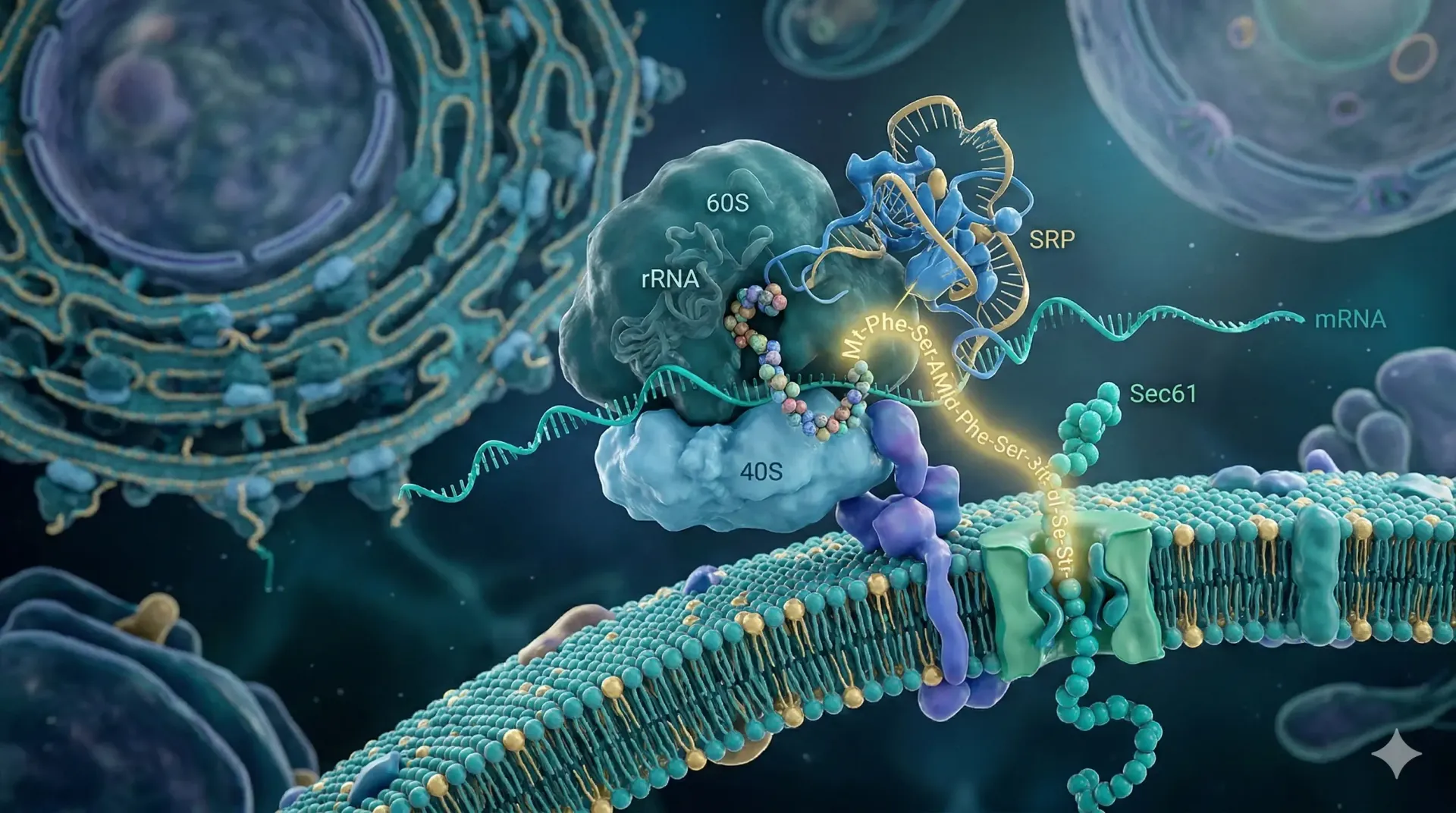
Peptides are highly specific chains of 2-50 amino acids that function as molecular messengers throughout your body. These bioactive compounds direct cellular communication, instructing tissues, organs, and systems to perform critical functions, including muscle synthesis, tissue regeneration, hormone regulation, and inflammation control.
Unlike synthetic pharmaceuticals that often disrupt normal physiology, peptides enhance and amplify your body's existing biological processes. They integrate seamlessly with your biochemistry to promote optimization and healing from within.
Peptide therapy involves the strategic administration of these compounds to achieve specific therapeutic outcomes—whether accelerating recovery, enhancing cognitive performance, optimizing metabolism, repairing damaged tissue, or reversing age-related decline.
Mechanisms of Action: Precision Targeting at the Cellular Level
Peptides exert their effects by binding to specific cellular receptors, initiating cascades of beneficial biological responses. This receptor-specific targeting allows for unprecedented precision in therapeutic intervention. Some peptides stimulate growth hormone release, others suppress inflammatory pathways, while others promote neurogenesis and cellular regeneration.
Consider these examples:
- BPC-157 accelerates tendon, ligament, and gastrointestinal healing through enhanced angiogenesis and collagen synthesis pathways.
- GHK-Cu drives skin regeneration and systemic anti-aging effects via stem cell activation and optimized collagen production.
- Thymosin Alpha-1 modulates immune function and combats viral infections through enhanced T-cell activation.
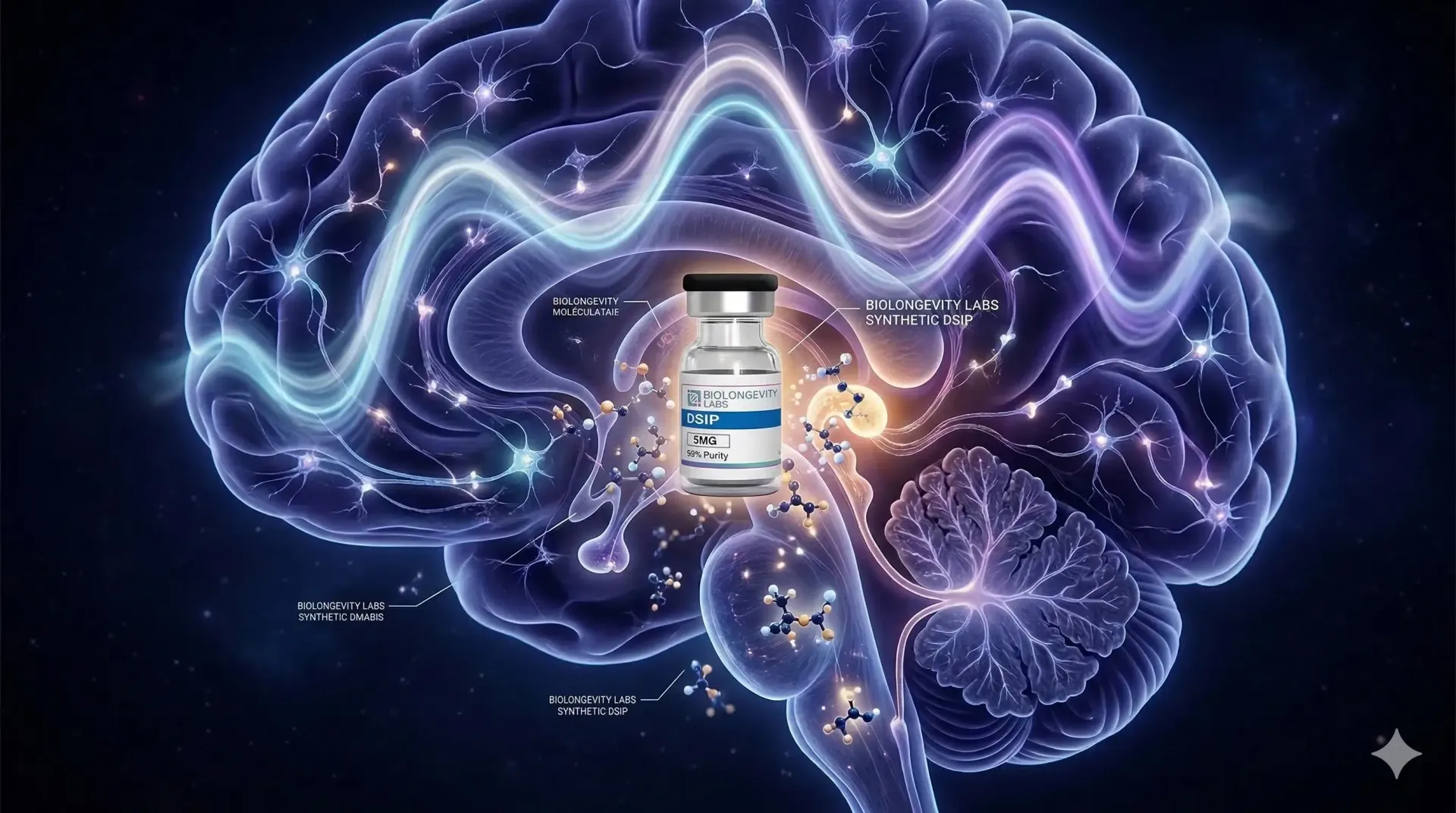
- Dihexa amplifies cognitive performance by promoting synaptogenesis and neuroplasticity.
This molecular precision makes peptide therapy ideal for individuals seeking targeted interventions for specific conditions or comprehensive health optimization.
Clinical Applications: Comprehensive Health Transformation
Peptides demonstrate remarkable versatility across diverse therapeutic and performance enhancement applications:
Accelerated Recovery and Tissue Repair
Peptides like BPC-157 and TB-500 dramatically reduce healing time for soft tissue injuries, ligament damage, tendon repair, and bone regeneration. Elite athletes utilize these compounds to minimize downtime and return to peak performance faster, while patients recovering from surgical procedures experience reduced pain, swelling, and recovery duration.
Gastrointestinal Restoration
Therapeutic peptides, including
BPC-157 and KPV, effectively repair intestinal barrier dysfunction (leaky gut syndrome), reduce inflammatory bowel disease symptoms, and restore optimal digestive function. Given that gastrointestinal health influences systemic wellness, this represents a fundamental intervention point for chronic disease prevention.
Cognitive Enhancement and Neuroprotection
Nootropic peptides such as
Dihexa, Semax, and Selank enhance neuroplasticity, sharpen focus, improve memory consolidation, and increase stress resilience.
Limitless Biotech is a top rated nootropic vendor for high-performers and biohackers leverage these compounds for competitive cognitive advantages while supporting long-term brain health.
Metabolic Optimization and Body Composition
Specific peptides regulate metabolic function, enhance insulin sensitivity, and optimize body composition:
- AOD-9604 targets resistant adipose tissue and accelerates lipolysis
CJC-1295/Ipamorelin stimulates endogenous growth hormone for lean muscle development and fat reduction.
Tesamorelin specifically reduces dangerous visceral adipose tissue, as well as stimulates growth hormone
Anti-Aging and Cellular Rejuvenation
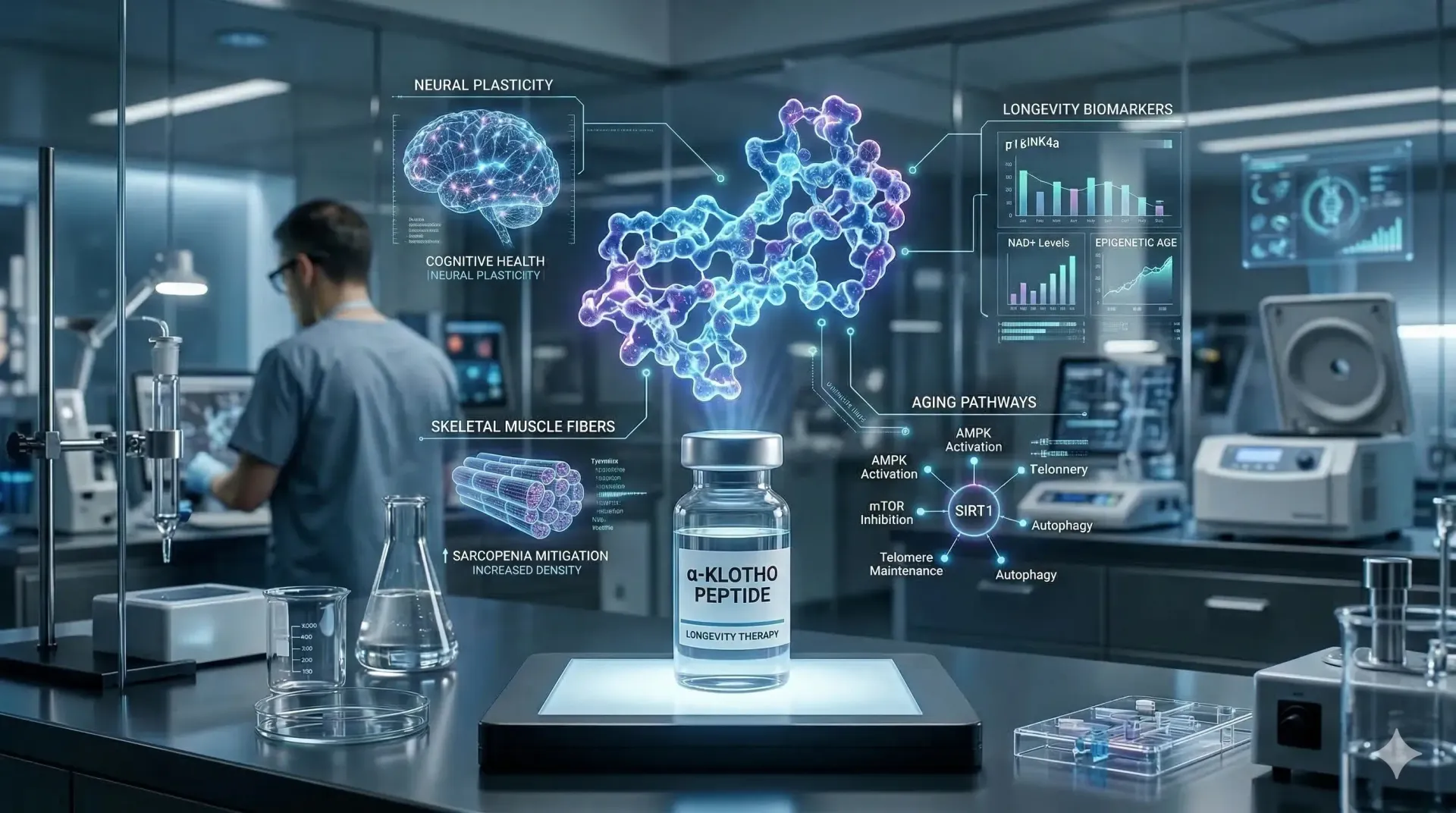
Epithalon, and MOTS-c demonstrate profound effects on mitochondrial function, collagen synthesis, and genetic expression patterns associated with aging. These peptides promote sustained energy levels, and enhanced physiological resilience.
Immune System Modulation
Thymosin Alpha-1 and LL-37 have gained recognition for their ability to optimize immune responses and combat viral infections, mold toxicity, and chronic bacterial infections. They help rebalance overactive immune systems while strengthening compromised immunity.
Sexual Health and Hormonal Balance
PT-141 (Bremelanotide) and Kisspeptin-10 enhance libido, sexual arousal, and hormonal optimization without directly impacting testosterone production or other hormonal pathways.
For practitioners and advanced researchers exploring bioregulators alongside traditional peptide therapy, sourcing becomes more specialized.
Research-grade suppliers like CanLab Internationalfocus on the intersection of peptide science and bioregulator research, offering compounds that meet the purity standards required for clinical and practitioner applications. Their emphasis on educational support and scientific rigor aligns with evidence-based therapeutic approaches rather than consumer-focused marketing.
Leading Therapeutic Peptides
Peptide & Primary Applications:
- BPC-157 - Tissue healing, gastrointestinal repair, injury recovery
- TB-500 - Muscle and tendon regeneration, inflammation reduction
- GHK-Cu - Skin rejuvenation, anti-aging, wound healing
- Dihexa - Memory enhancement, cognitive performance, and neuroplasticity
- CJC-1295 - Growth hormone optimization, recovery enhancement
- Ipamorelin - Fat loss, muscle development, sleep improvement
- Thymosin Alpha-1 - Immune system support, infection resistance
- AOD-9604 - Targeted fat reduction, metabolic enhancement
- PT-141 - Sexual function, libido enhancement
- Epithalon - Longevity support, telomere maintenance
These peptides can be utilized individually or combined in sophisticated protocols based on individual health profiles, laboratory assessments, and specific therapeutic objectives. While peptide therapy protocols vary, dosing accuracy remains critical across all use cases. To avoid common mistakes, use our
peptide calculator to determine the correct dosage based on peptide concentration and injection volume.
How is peptide therapy administered ?
Peptide therapy can be administered in several ways, depending on the specific peptide, the condition being treated, and the desired outcome. Common methods include:
1. Subcutaneous Injection: This is the most common method for administering peptide therapy. The peptide is injected just under the skin, allowing for gradual absorption into the bloodstream.
2. Intramuscular Injection: In some cases, peptides may be administered into a muscle for faster absorption.
3. Oral Supplements: Certain peptides are stable enough to be taken orally, although this method is less common due to degradation in the digestive system.
4. Nasal Spray: Some peptides can be delivered intranasally, which allows for quick absorption through the nasal mucosa.
5. Topical Creams or Gels: Certain peptides used for skin or localized treatments can be applied directly to the skin.
6. Transdermal Patches: Rarely, peptides may be delivered through the skin via adhesive patches.
Administration should always be guided by a healthcare professional, as dosing, timing, and specific protocols are critical for safety and effectiveness.
Safety Profile and Considerations
Peptides demonstrate excellent tolerability and safety profiles compared to conventional pharmaceuticals, primarily due to their short half-lives and bio-identical molecular structure.
Adverse effects are uncommon but may include:
- Mild injection site reactions
- Transient fatigue or dizziness
- Occasional nausea or headache
However, given the current regulatory landscape where peptides lack FDA approval and quality varies significantly between suppliers, sourcing from reputable manufacturers and working with qualified practitioners is essential for optimal safety and efficacy.
When implementing peptide therapy protocols, sourcing quality becomes as critical as dosing accuracy or injection technique. Working with
trusted peptide suppliers with verified quality standards ensures that the compounds you're researching match the purity levels and specifications documented in clinical literature. Project Biohacking maintains a curated directory of vendors who provide third-party COAs, transparent testing practices, and consistent batch quality—the foundational requirements for reproducible research outcomes.
Important Note:
Competitive athletes should verify that specific peptides are not prohibited by the World Anti-Doping Agency (WADA) before use.
The Future of Regenerative Medicine
As research accelerates, peptides are becoming increasingly integrated into mainstream healthcare for hormone optimization, chronic pain management, age-related decline, and autoimmune conditions. Emerging clinical trials demonstrate promising applications in:
- Neurodegenerative diseases including Parkinson's and Alzheimer's
- Cardiovascular repair and mitochondrial restoration
- Athletic injury prevention and performance optimization
- Cancer immunotherapy enhancement
With hundreds of peptides currently in development and dozens already validated in clinical applications, the next decade promises expanded access, broader medical acceptance, and clearer regulatory frameworks.
Transform Your Health Journey
Peptide therapy represents more than a therapeutic advancement—it's a fundamental shift toward precision, personalized medicine. By harmonizing with your body's innate repair mechanisms, peptides offer targeted, powerful, and adaptable solutions for comprehensive health optimization.
Whether you're a performance-focused biohacker, elite athlete, or someone seeking therapeutic breakthroughs where conventional medicine has fallen short, peptide therapy could be the catalyst that revolutionizes your wellness journey.
Ready to explore the
transformative potential of peptide therapy?
Access our comprehensive resource library and connect with qualified practitioners who can design personalized protocols aligned with your unique health objectives.
Disclaimer: Peptide therapy is not FDA-approved for general medical use and requires careful research, professional guidance, and individual responsibility. This content is provided for educational purposes only and does not constitute medical advice.